For some reason unknown to me an ad just popped up on my puta called CRAZY FOILS its a Canadian outfit that makes foils for everything , except surfboards , and again I dont really know why but I thought foils would be thousands of dollars but looking at the site they are only a few hundred ,
Interesting thought and site GBZ.
The main similarity is that it’s all water either way out on the face or in the tube, the main difference is the direction of the flow between both locations.
And that changes the function of foil.
The new foil designs are like hangliders utilising the smoother water flow out on the shoulder, where the technical design extracts a smooth and controlled lift.
That can get air and all sorts of great manouverabilty but I’ve yet to see one pull into a tube or ride a breaking wave on the steep face.

The main Difference between foiling in the shoulder and in the pocket is the steepness of the wave face and therefore the direction of the flow.
That massive movement of water UP a steep face results in huge lift, more lift than you’ll ever need to elevate yourself above the water on a foil. So there’s no need to cultivate lift while on the face. You actually need to burn off lift.
On a steep wave you’re going forward due to gravity and the forward movement of the wave without any rider effort needed to drive forward.
The element of lift is oversupplied. All you need to do is find balance and control.
Much like a surfboard, once a foil moves forward it creates its own lateral balance, you don’t need a 2 foot wide foil for balance and it makes things harder because a wider foil is harder to turn, it also ventilated which causes stalling. And of course the danger of a decapitating swimmers. Somewhere between 13 and 16 inches is wide enough for surf foiling.
The length is an issue becaus the longer the surf foil the greater the stability and drive. But it needs to be manouverable like a shortboard. Even though it’s a FOIL, surfers still want to ride it hard like a shortboard. I and they want the speed of the foil and the unique ride but with the same ability to do heavy bottom turns, snaps, stalls just like a HPSB. Other wise it’s a step back in performance if you’re just foiling ripples. Fun but not the same level of danger/excitement that were used to.
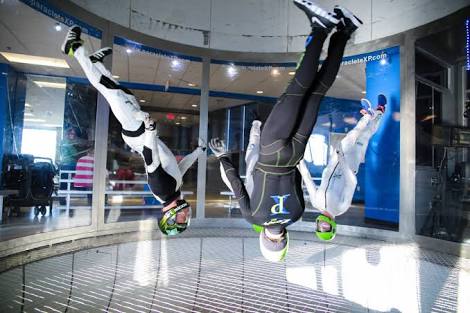
Foiling on a surfing wave doesn’t rely on a foiled foil for lift in the same way that indoor skydiving doesnt need foiling of the people. The lift is so great is not an issue.
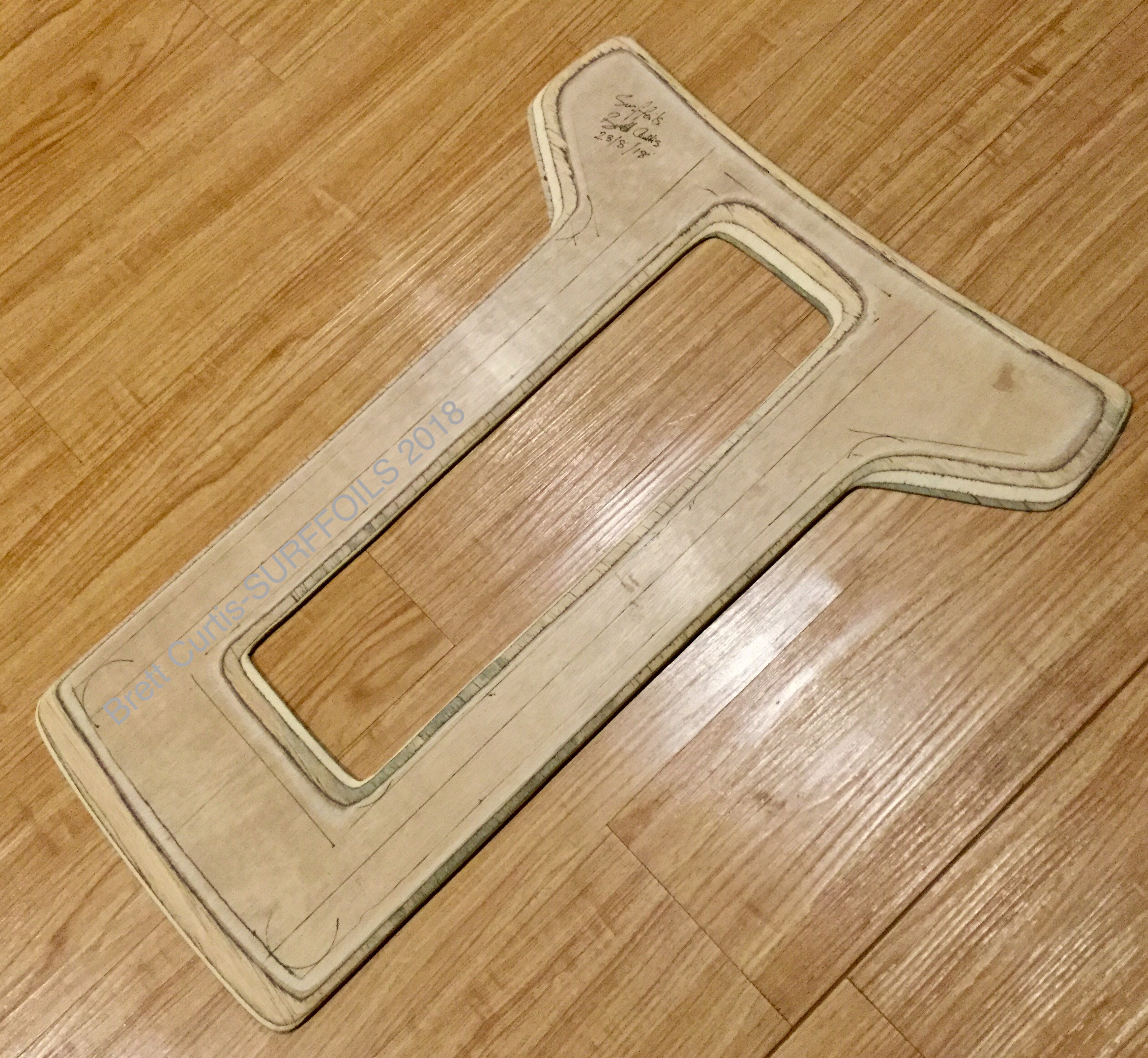
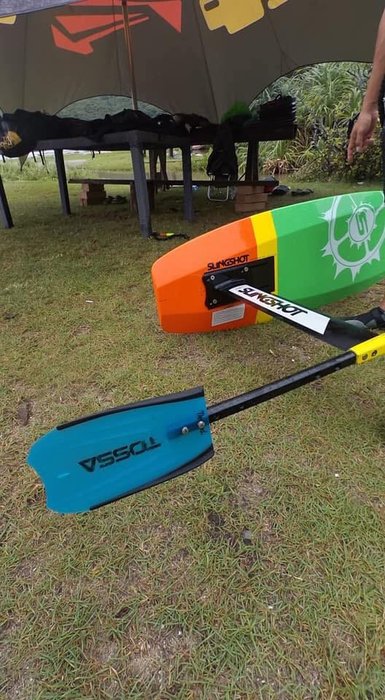
Someone else posted on a sup foil forum that they have taken off the rear foil of a commercial setup and ridden the front foil on its own quite successfully.
Also another guy replaced the wide rear foil with a long foil, basically a flipper blade.
So it seems that long foils are functional and the DIY guys are progressing foil design.
I’m not surpirised.
all the best
Hi Greg, not surprising to anyone on Swaylocks that DIYers would br2ak the mood and start looking for new ways to build a foil and it shows that it’s not the high brow theory but the basics of design that get improved by the average surfer.
For me the challenge is to make it as simple as possible, sure the vertical struts can be inserted into Tuttle boxes like a fin or even fin boxes but then how many ways do you connect the vertical strut to the horizontal foil.
It’s a simple 90 degree connection between 2 solid parts, how hard can that be …?
glue?
Screw ?
Interconnecting Dovetail slots ?
Angle brackets and bolts ?
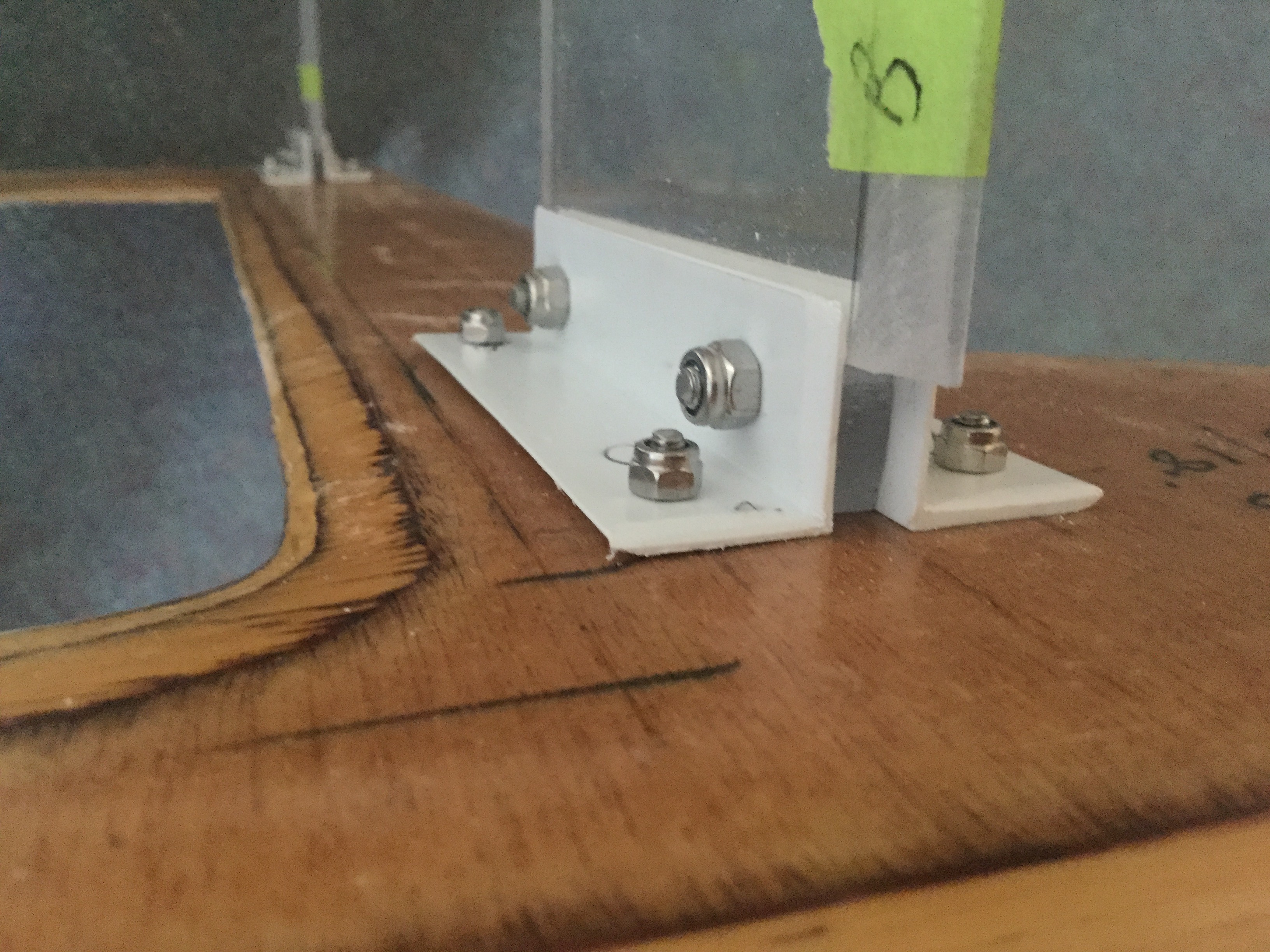
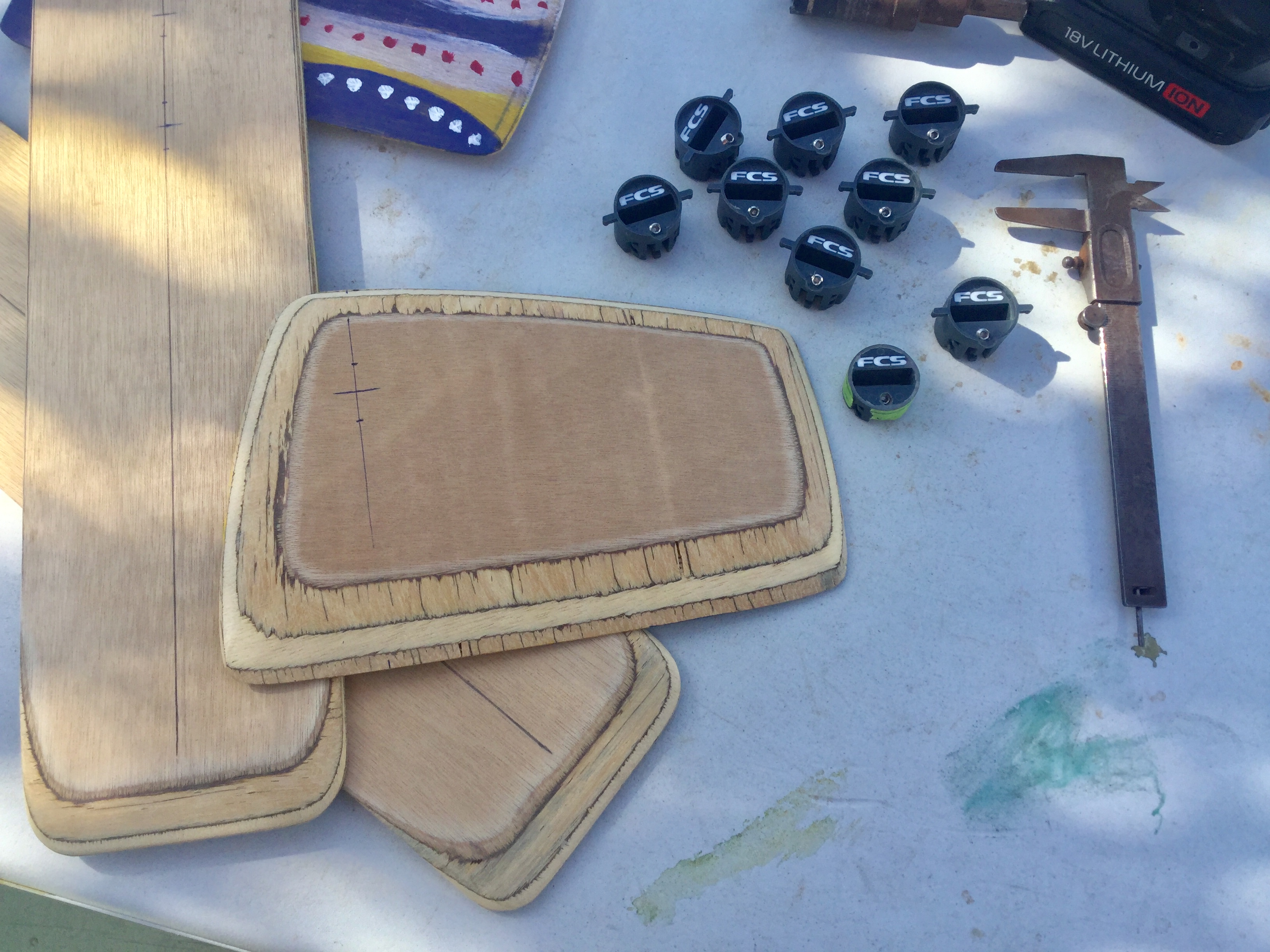
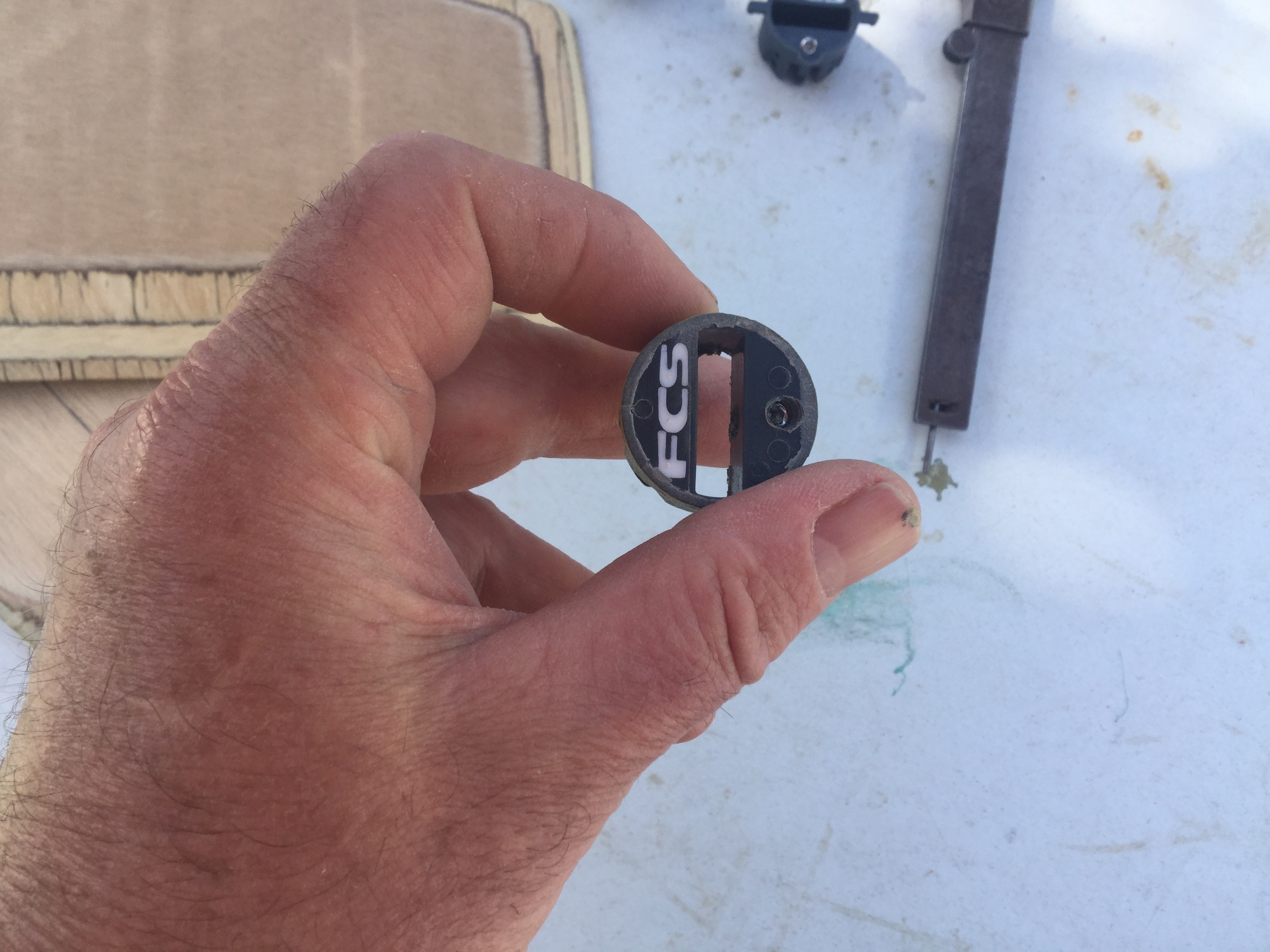
Being a simple man, I went with the FCS plugs to put the vertical struts into the surf/ foil board but also chose to use FCS plugs at the lower connection of the strut and the foil. The FCS plugs are so simple to use and reliable.
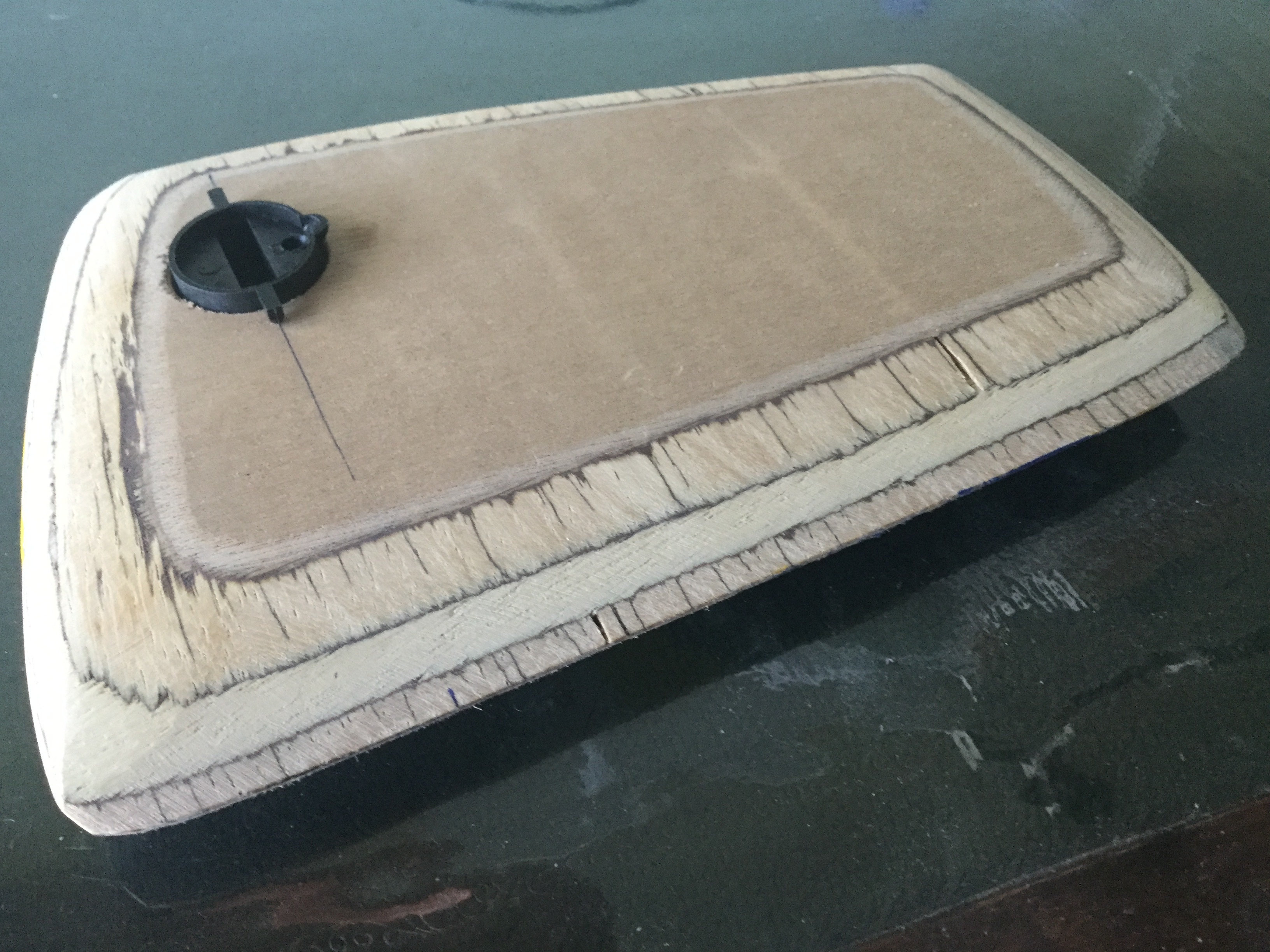
The foils were originally solid Aluminium and then glassed XPS, but for a few years I’ve used simple glassed ply and often just 1/4 inch ply with a coat of resin is perfect for prototypes and experimental ideas.
But FCS plugs don’t sit well in 1/4 inch ply so now I use a thicker ply with a slight foil on the leading and trailing edge. The thicker ply is heavier but stiffer and gives a very direct and controlled ride.
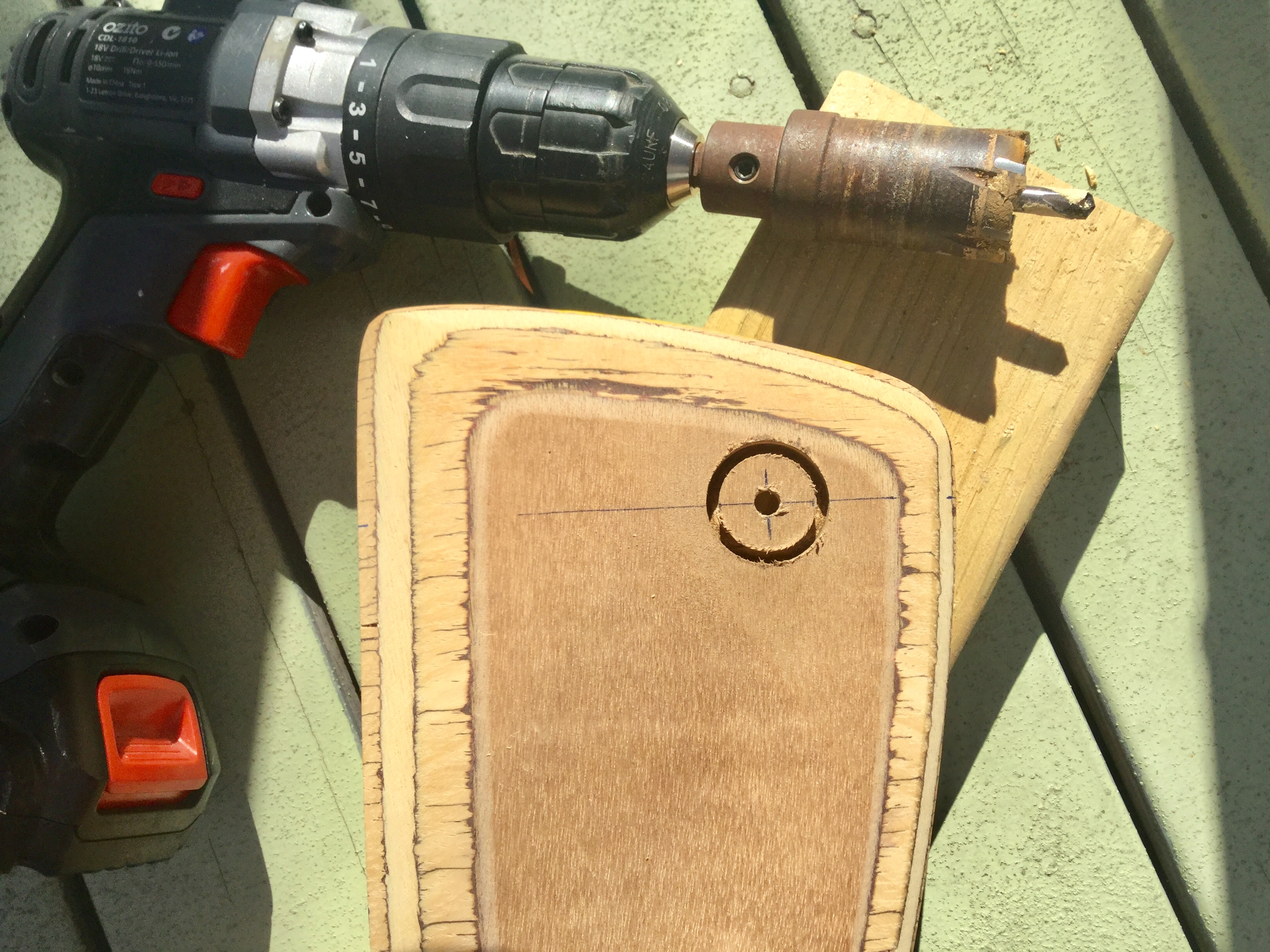
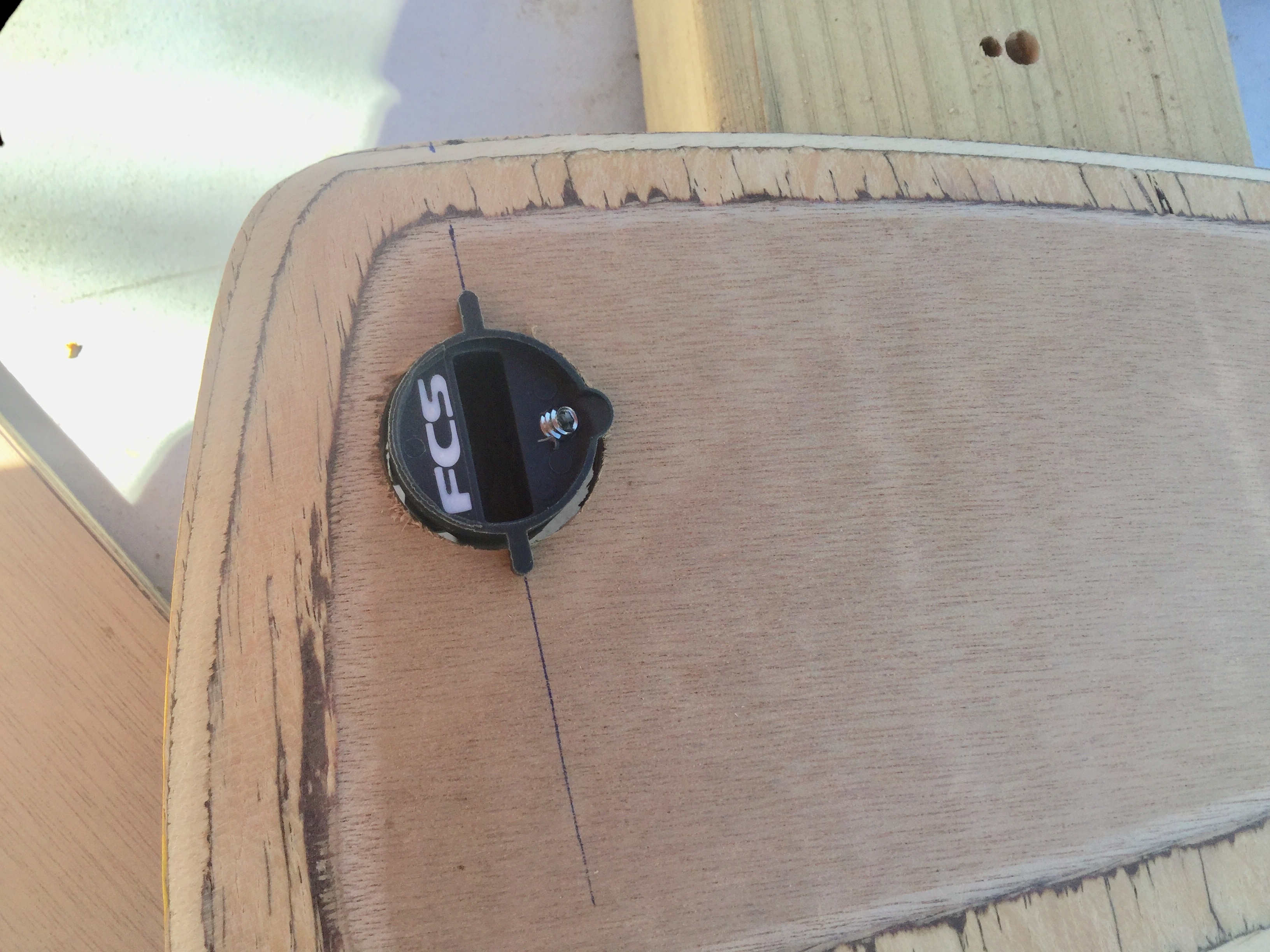
Using the same 1 inch hole saw as for foam, drop in the plugs with resin and a layer of glass and it’s a rock solid connection. Because it’s a strut and not a fin, the tabs can be any width, number or length. The FCS plugs allow for lots of versatility in design.
The best thing is that the whole system uses the same procedures we all know. In the pics there are hints that the next foil generation is a set of left and right lifting foils.
If I can stop inventing, I’d like to put out a kit so everyone can convert any old surfboard into a foilboard.
oh how I love the swim fin
being run over by a … with a durometer flex reading compatible with my forearm
would be heaven compared to aluminum 1/4’’ plate.
evolving design is a wonderful
and forgiving thing…
cast off broken fis are everywhere!
i’ve been privately musing about
churchill green fins shaped to fit finboxes for some time
UP THE REVOLUTION
…ambrose…
Ambrose, They say that inventors need to take a break to allow creative thought to gather but I would pay to sit under a palm tree and just listen to you. The mind expanding ideas you bring are always from a different world that I wish I could visit.
Here’s a few of the recent foils on shortboards and prone craft. Sometimes it’s the same foil but a new set of struts or fin to add to a combination. I’m pretty happy with the 8 inch struts, the foils skims under and on the face and sometimes the rear rail gets into play during deeper bottom turns. I initially used 2 and then 3 or 4 struts but when the commercial guys came out with a single mast I thought my setup was barbaric. But now I feel it’s exactly what’s needed for the high energy demands of shortboarding. Shorter masts can be made of simpler materials, they’re easier to install and share the load so the board doesn’t need to be a specifically made foilboard.
I’ve learned that spreading the load over 8 FCS plugs is perfect but the struts need to have some flex otherwise something has to give and then break, and that’s not a good thing…

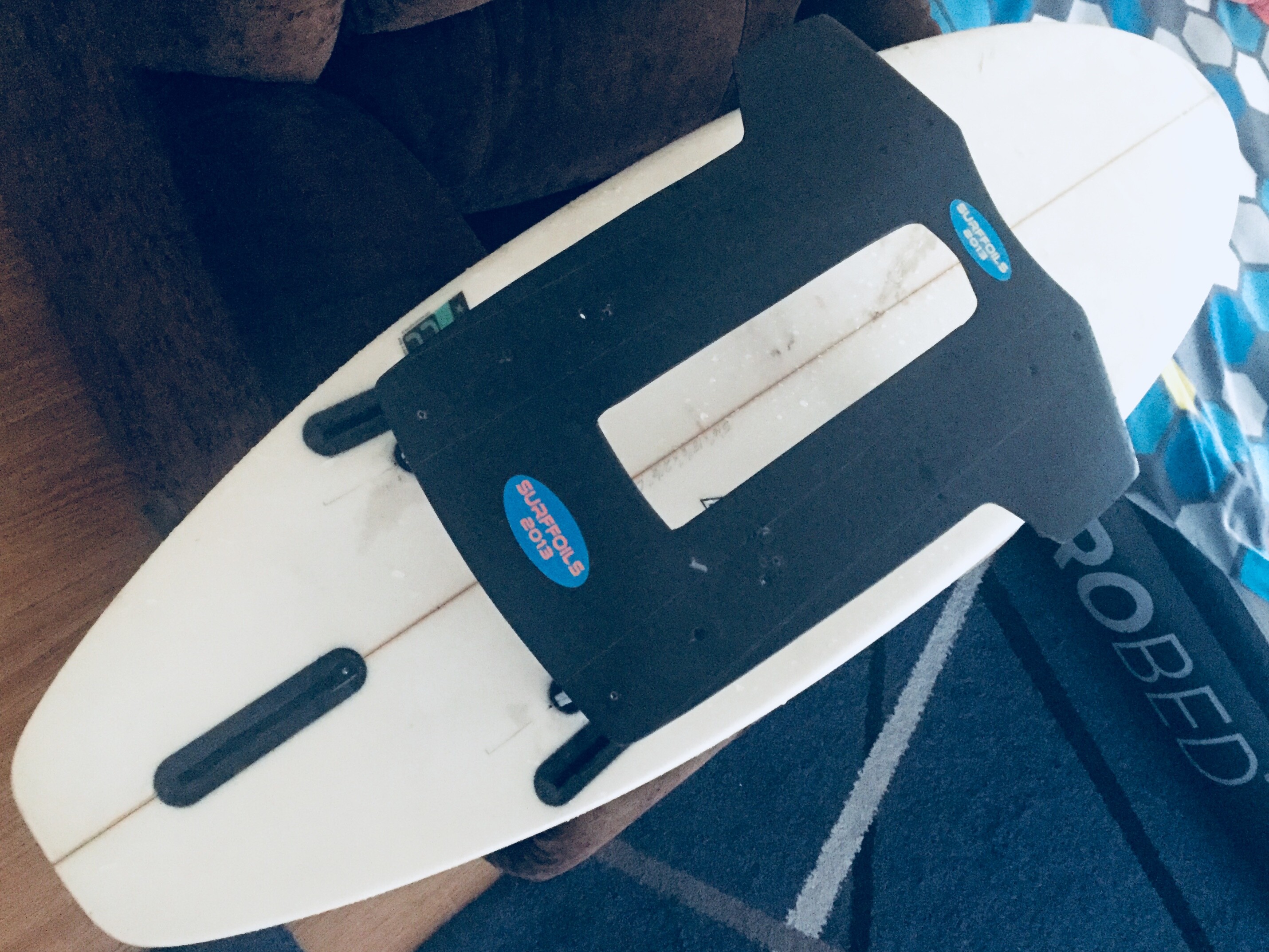
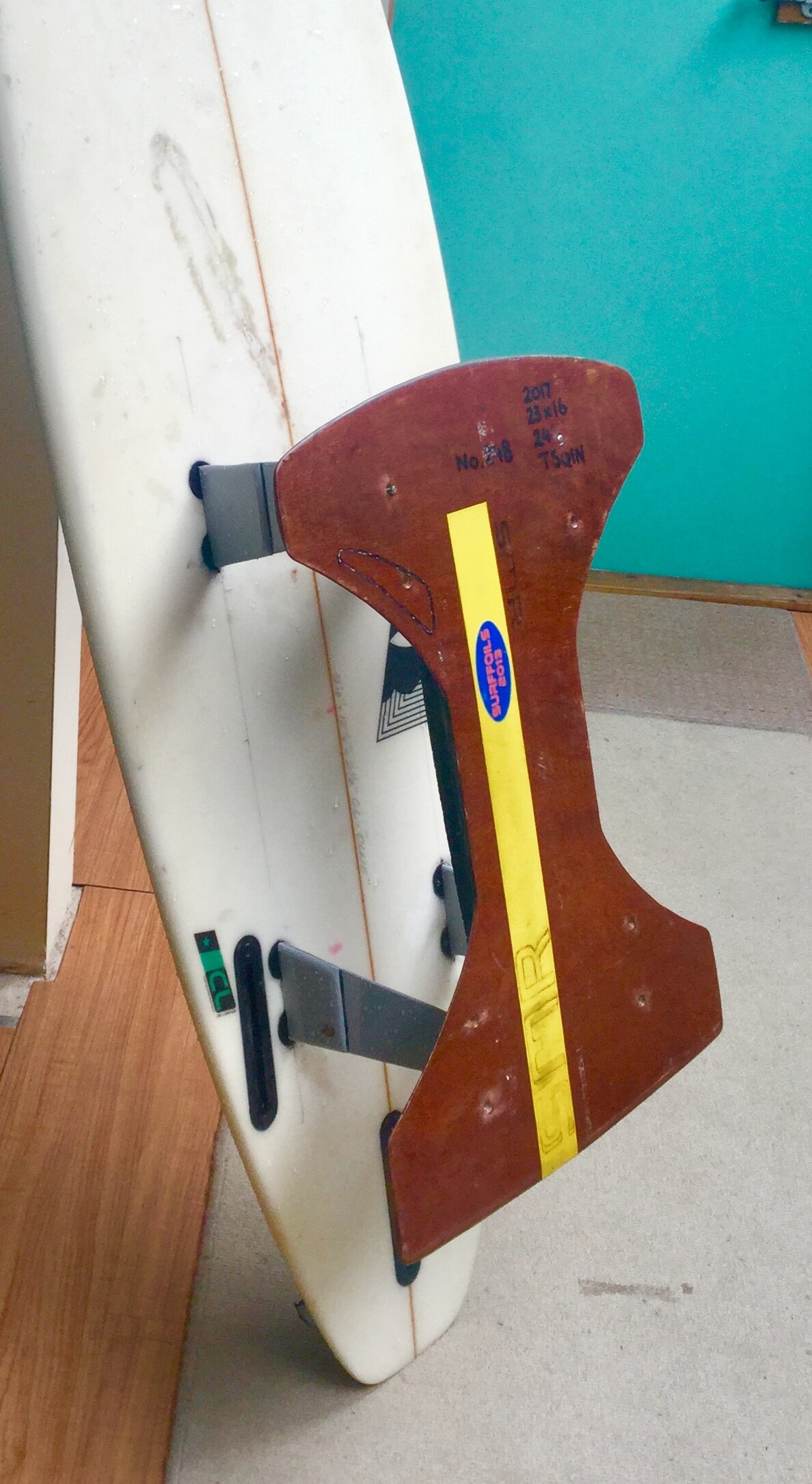
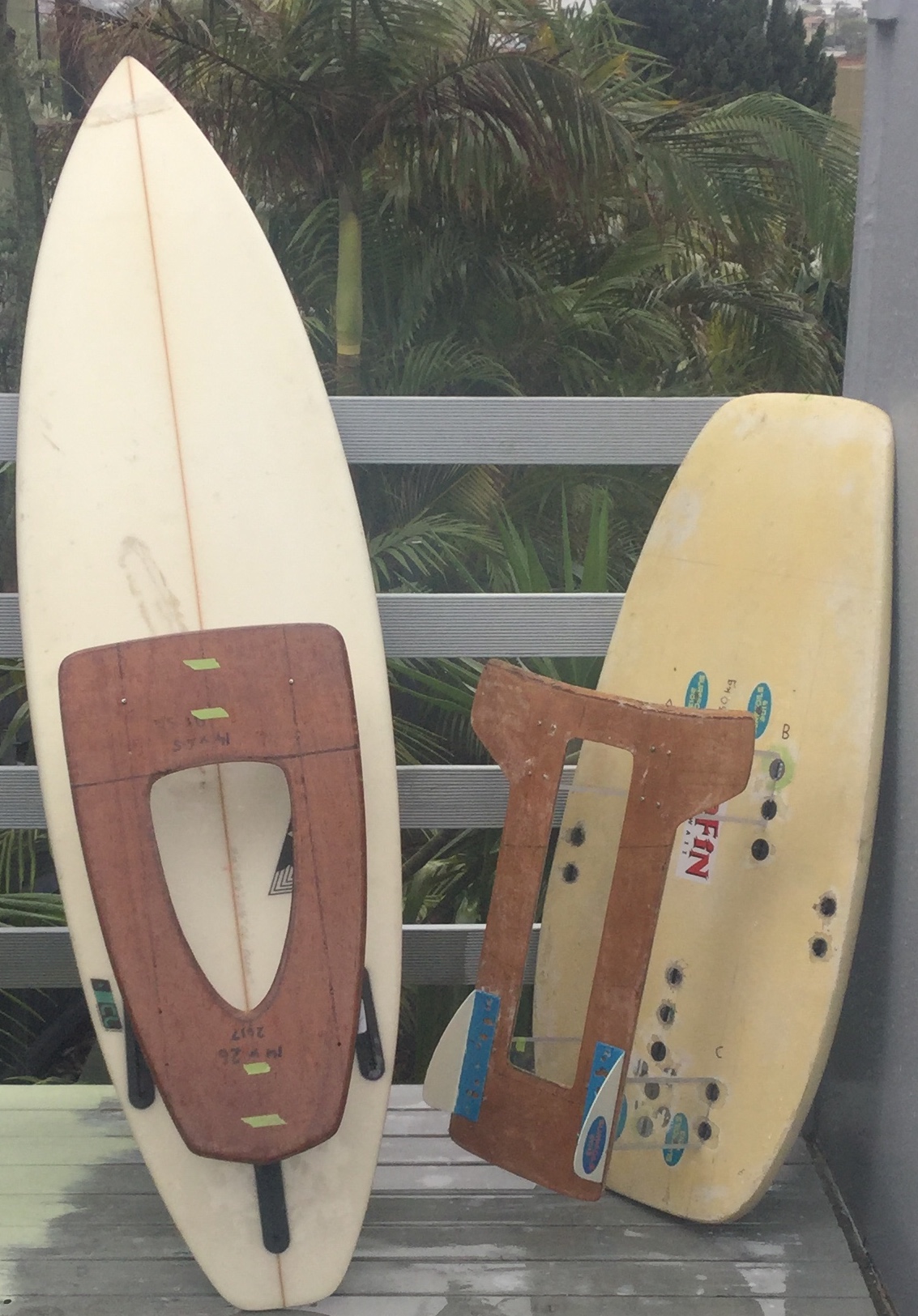
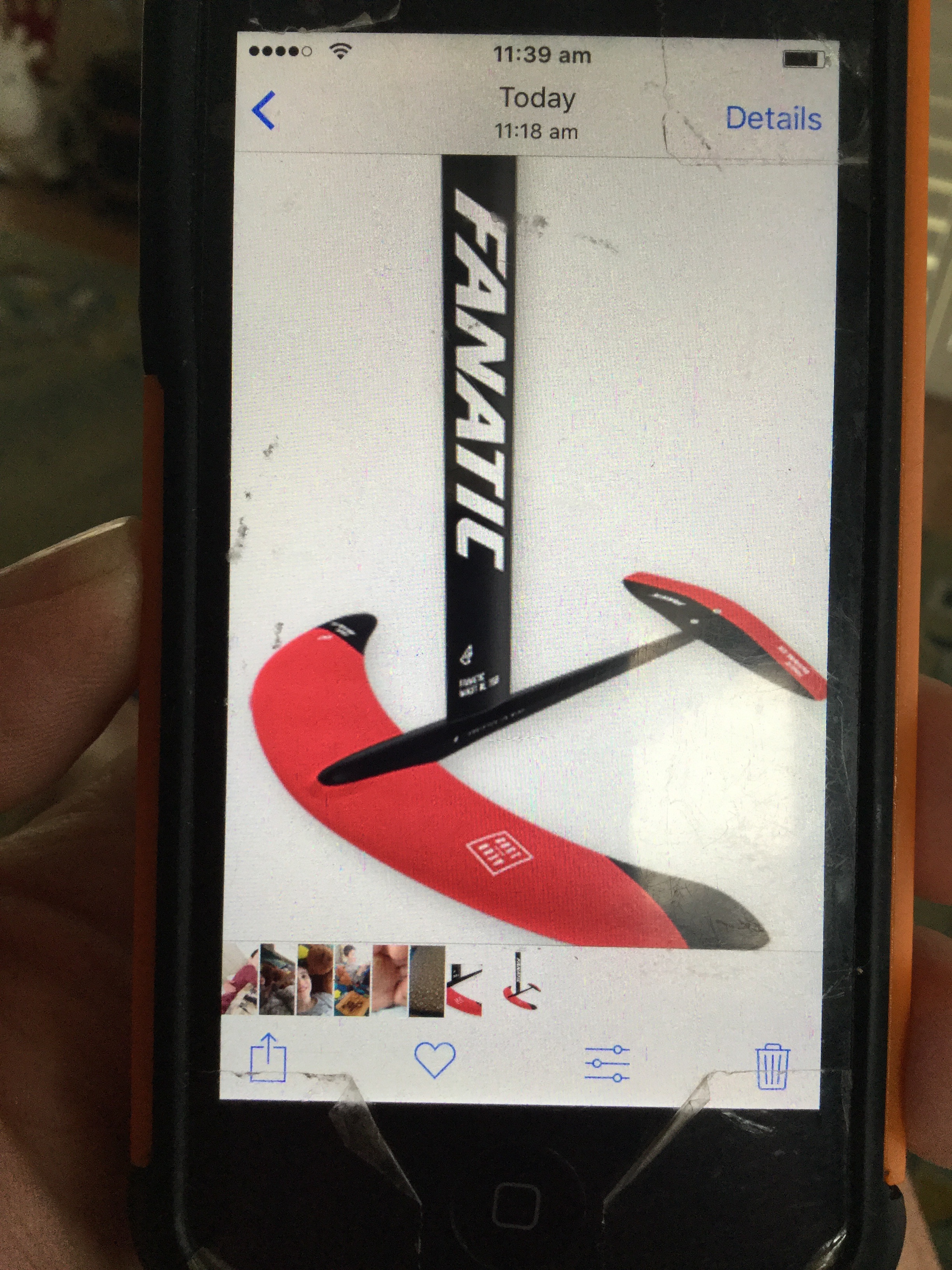
So you know the current commercial surf, kite and SUP foils are fully foiled and straight across right ?
Well Fanatic have brought out a much flatter and curved foil. How great is that.
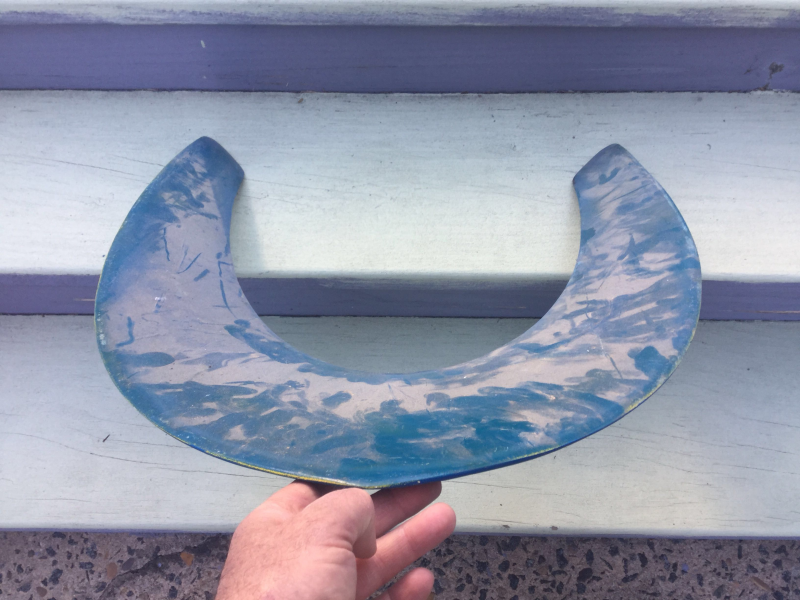
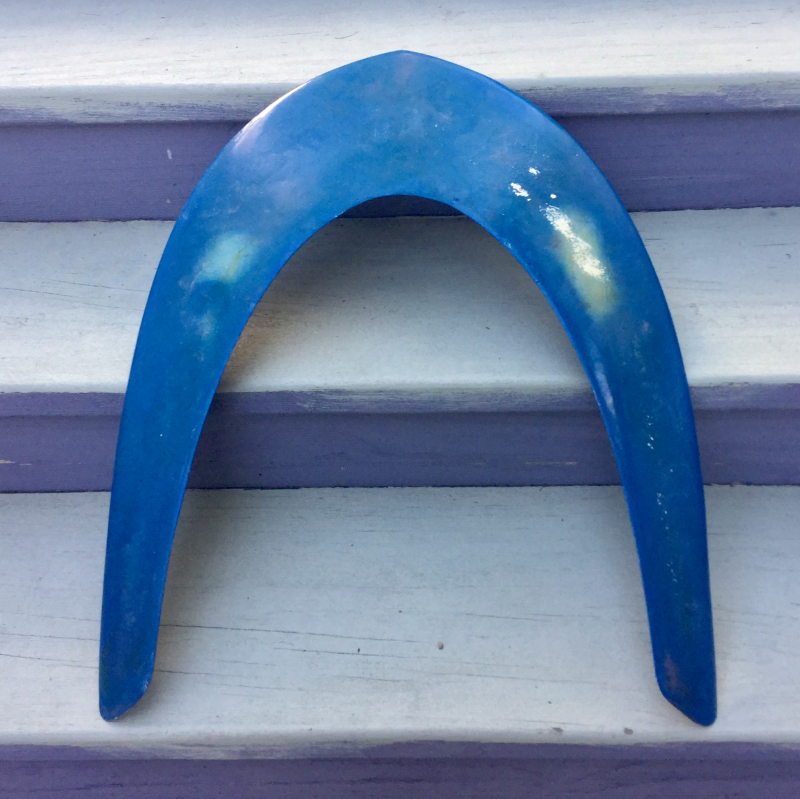
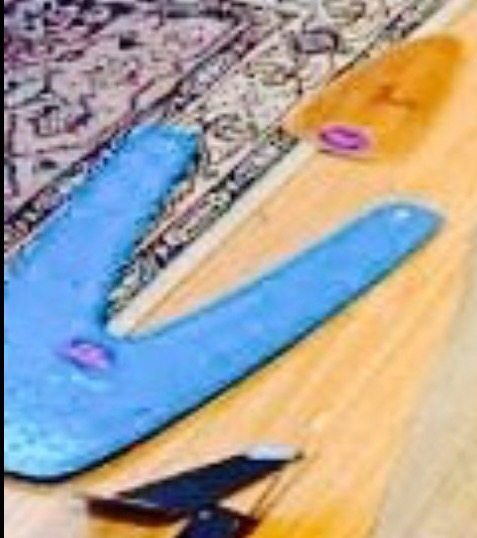
It’s not exactly the same but similar to these ones I made in 2008. And rides the same with a Higher top end speed.
I’m happy to see that my foil concepts are validated and that they’re catching up. Now they’ve got the flat plate idea, next is the low aspect foil design.

brilliant. Still following this.
All the best
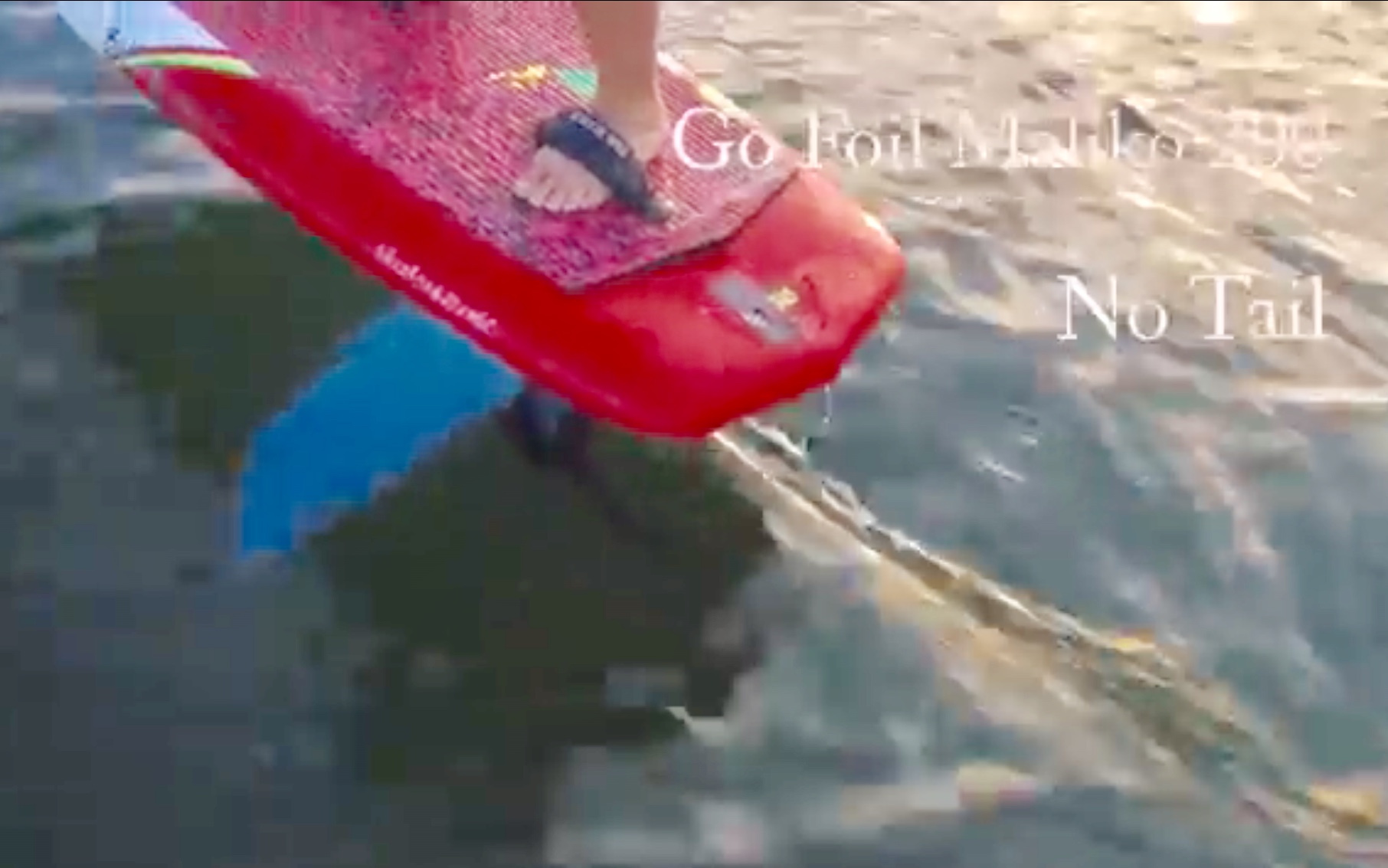
And another guy has found that you can ride a single foil and the rear stabiliser isn’t needed.
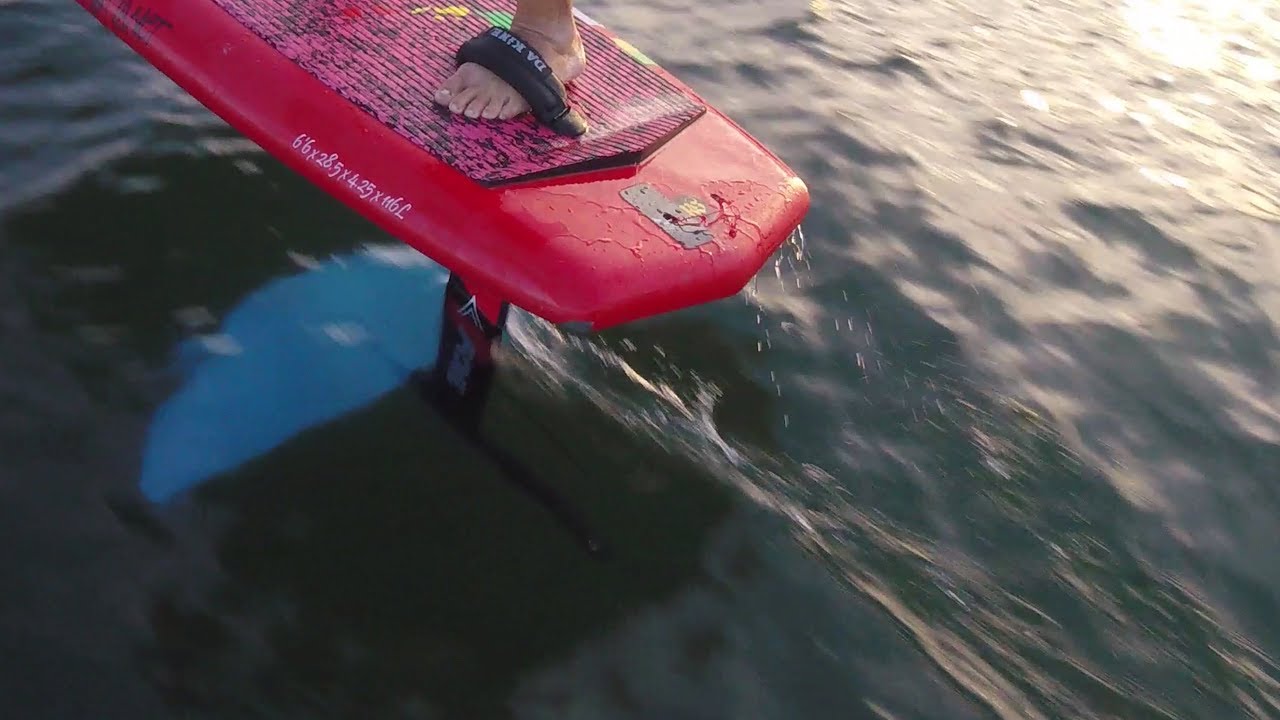
Did that about 10 years ago too. I hope Terry Hendricks is watching all this.
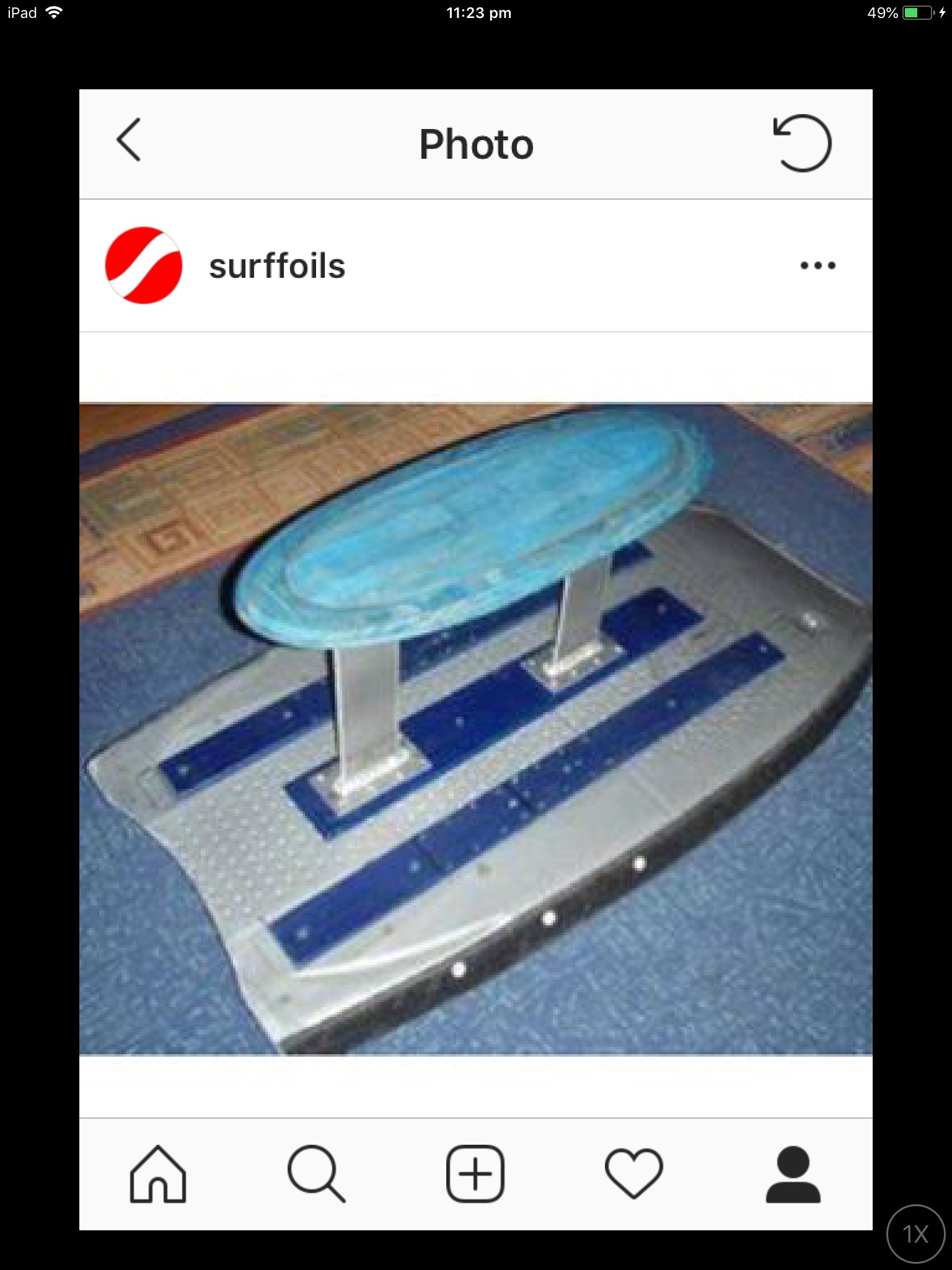
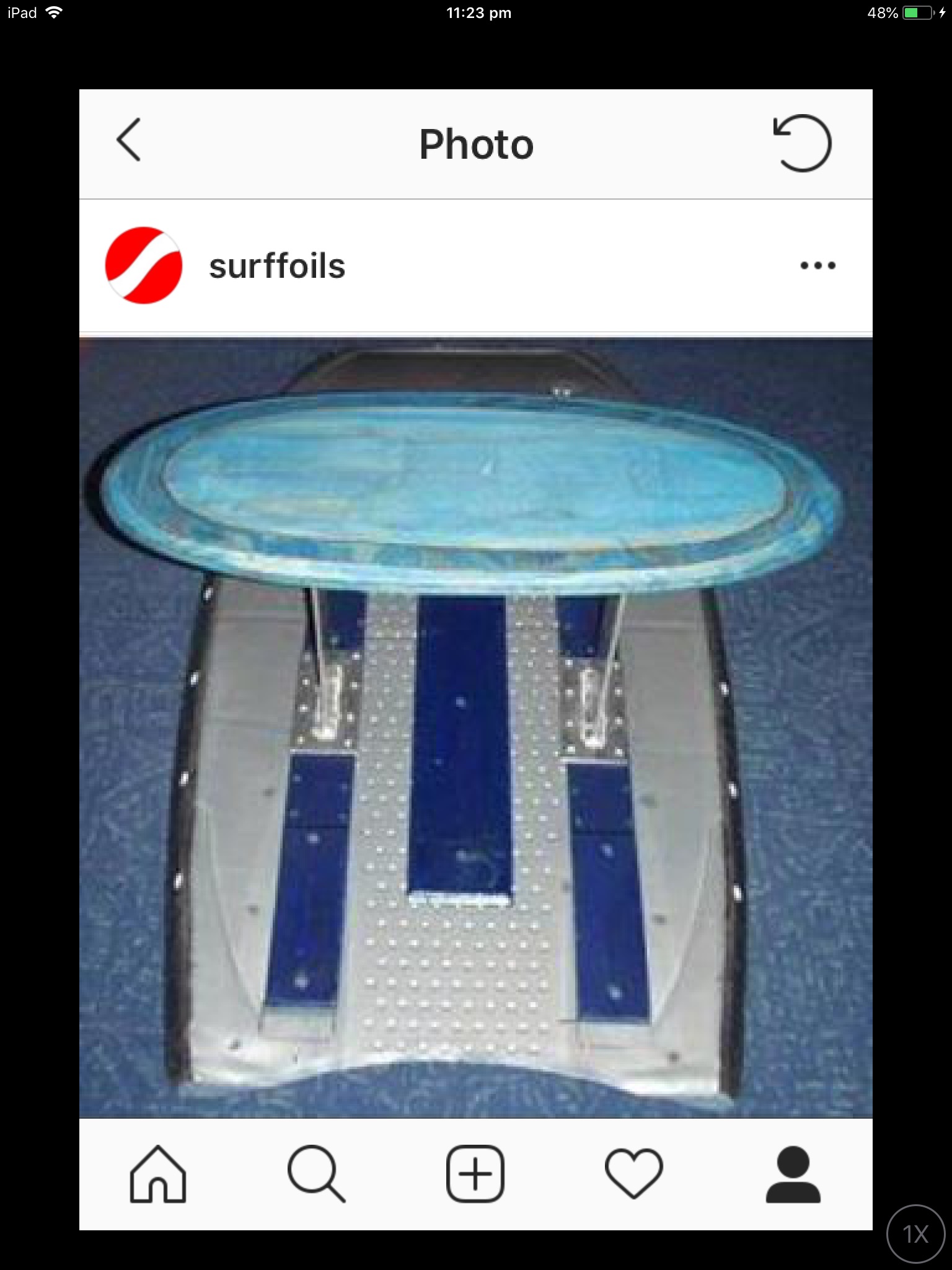
You mention the struts need to flex a little bit. What are you doing to get that flex? Also, out of all of your (genorous) examples, what foil shape/setup do you like the best so far?
Hi Monkstar the foil gets some erratic forces from the side when you’re in the tube . It kinda pulls and tries to throw you off. And the longer the mast / strut, the greater that force is. I think it’s because the foil rides in and out and semi submerged in the wave so there’s never an even balance. To smooth that out I use 6 mm clear polycarbonate ( because it’s almost unbreakable) or polypropylene ( because it’s easy to work with) And both flex enough to smooth out the ride.
The struts fit into FCS plugs on the board and are bolted to the foil. It’s not hi-tech, but it works.
The best foil arrangement varies as the designs continue. I used to think I had something amazing with the Holey foils but I’m working on a Modular version that’s adjustable for different wave size or skill level. So that’s still a work in progress.
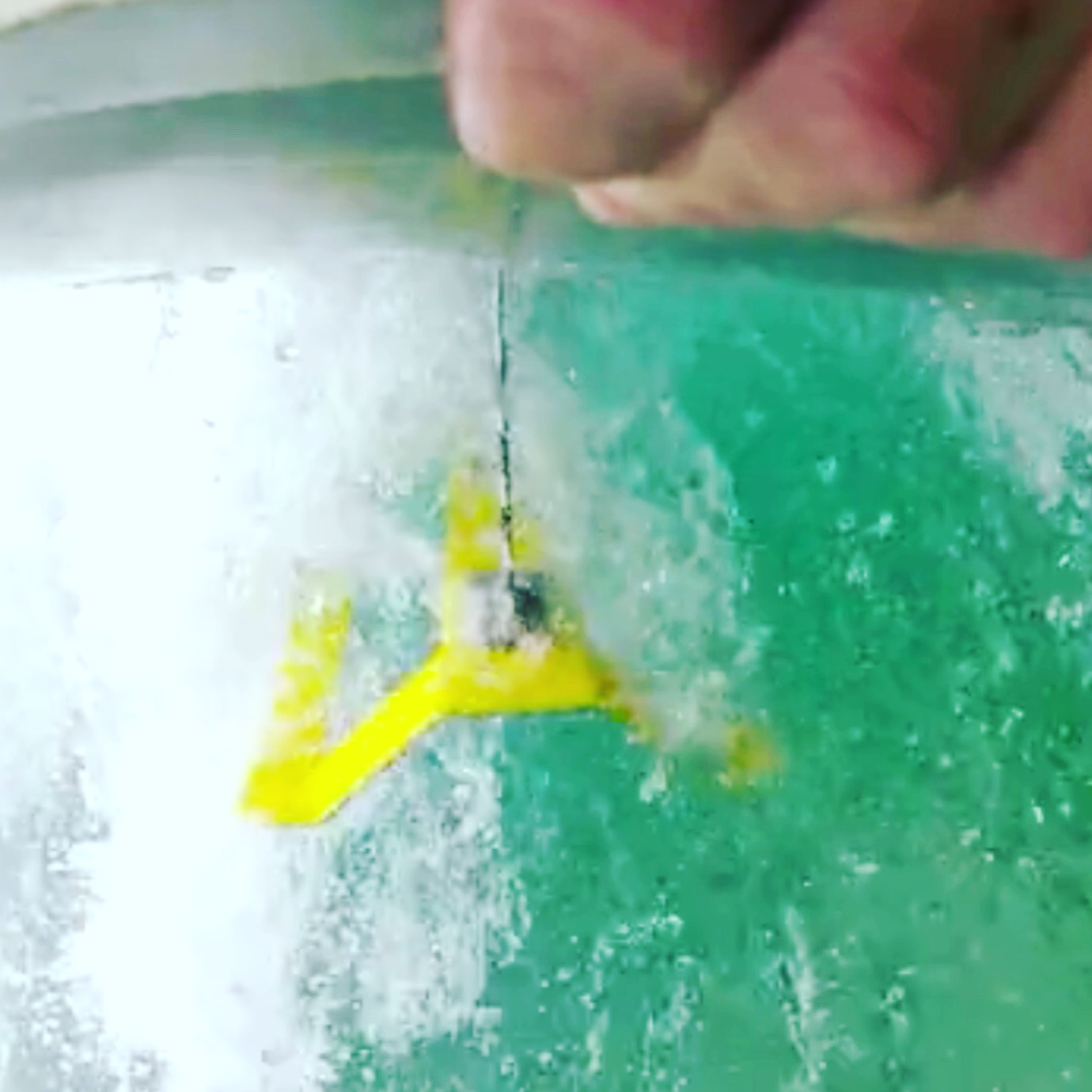
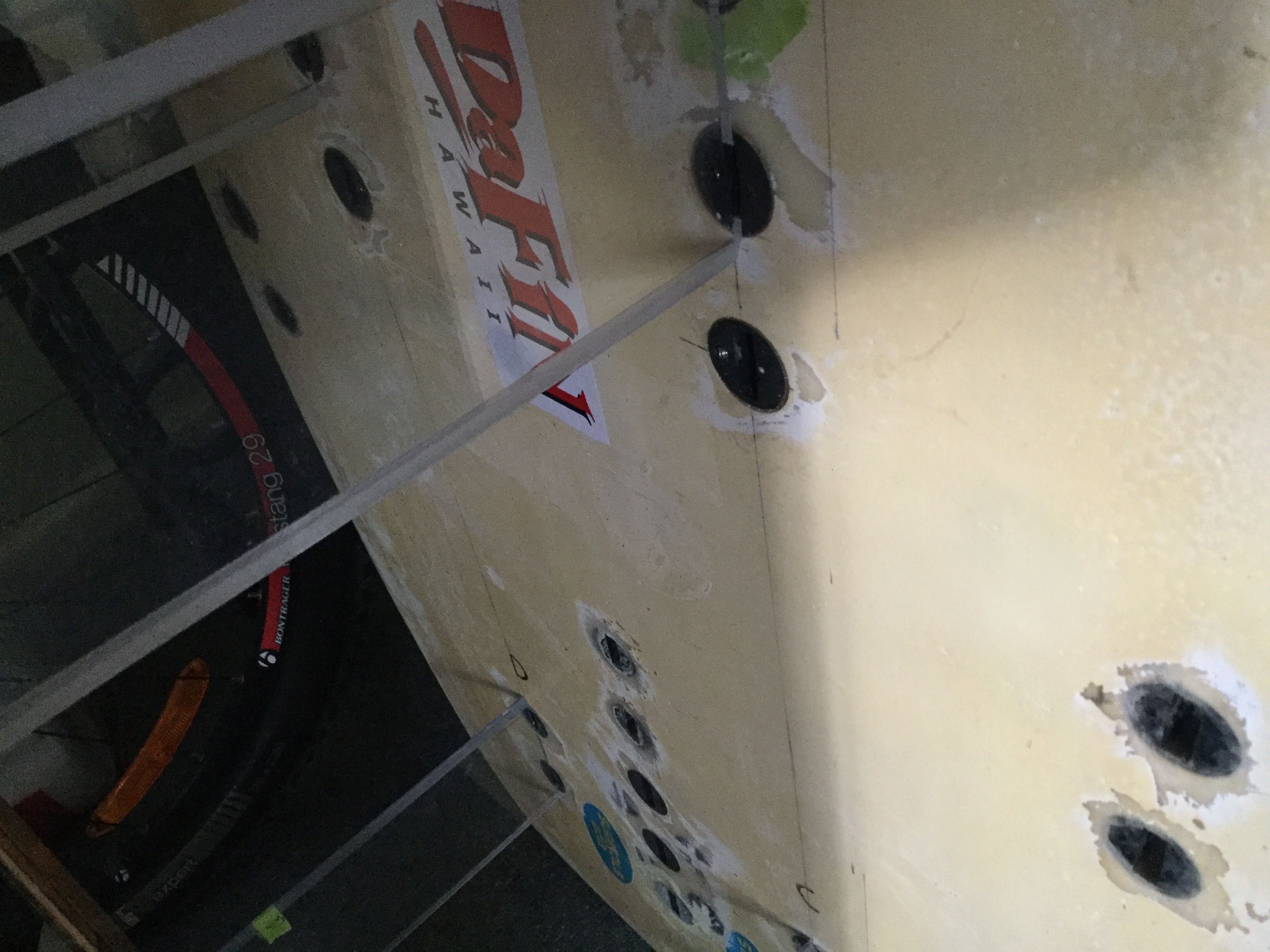
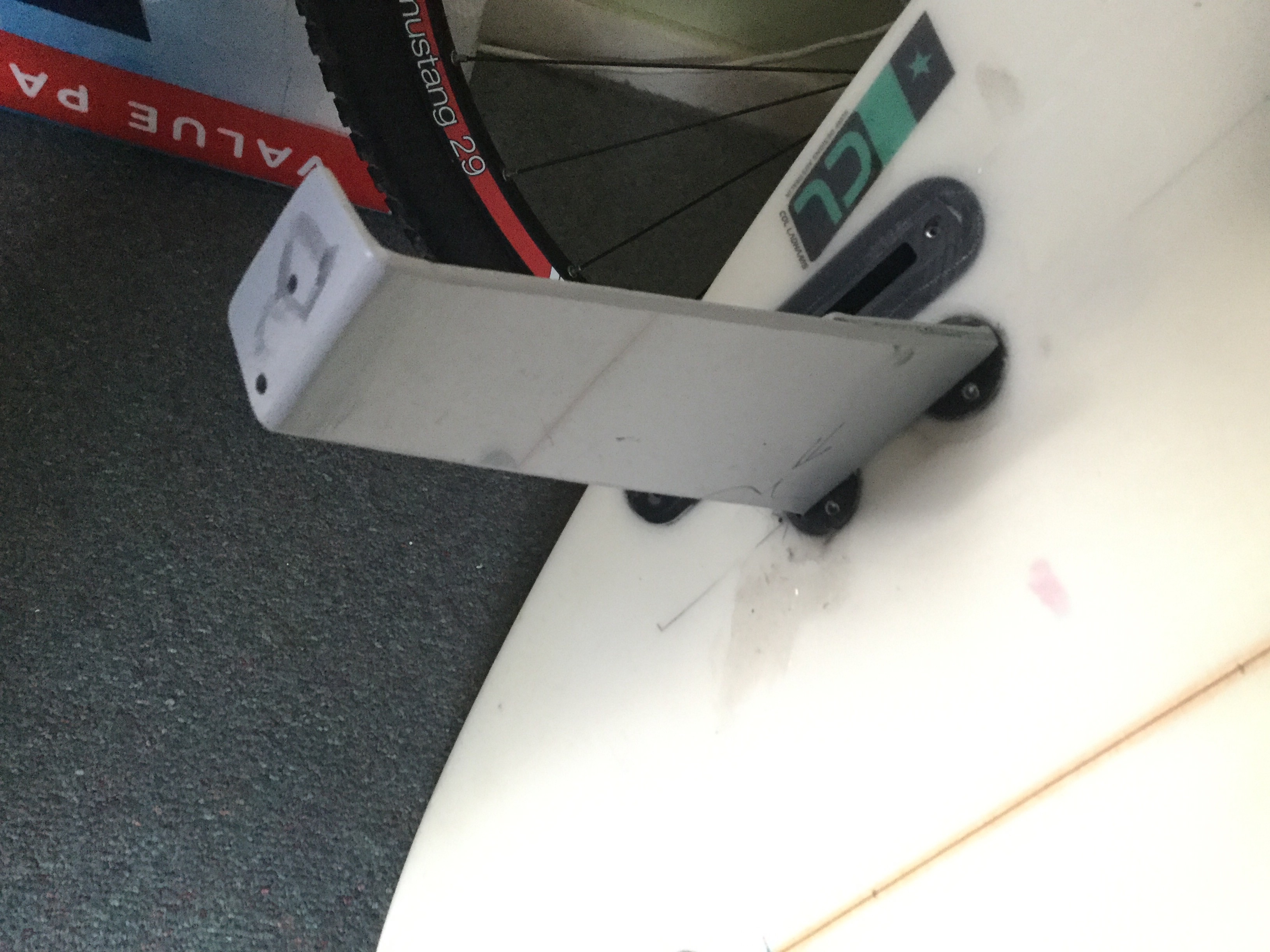
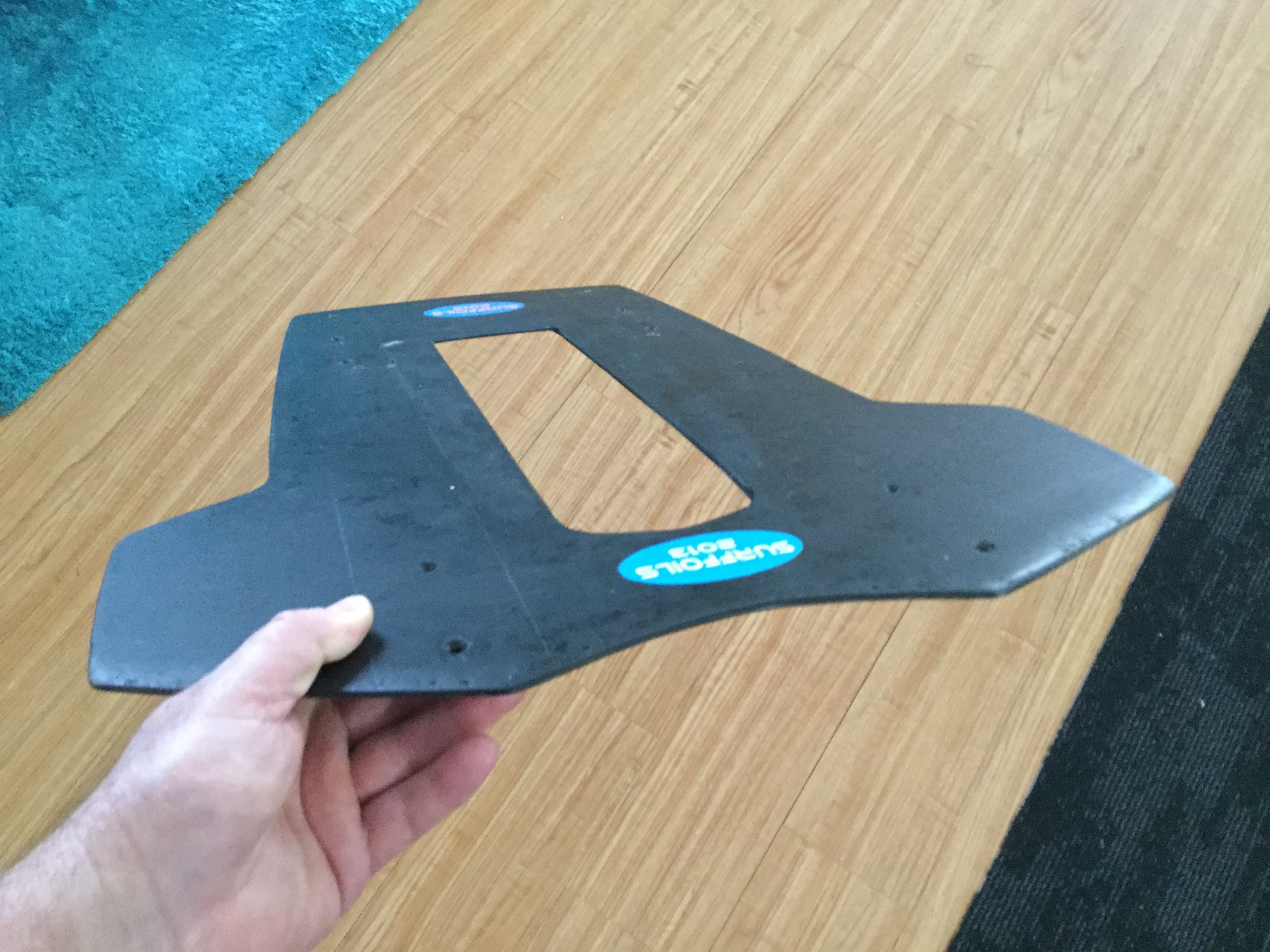
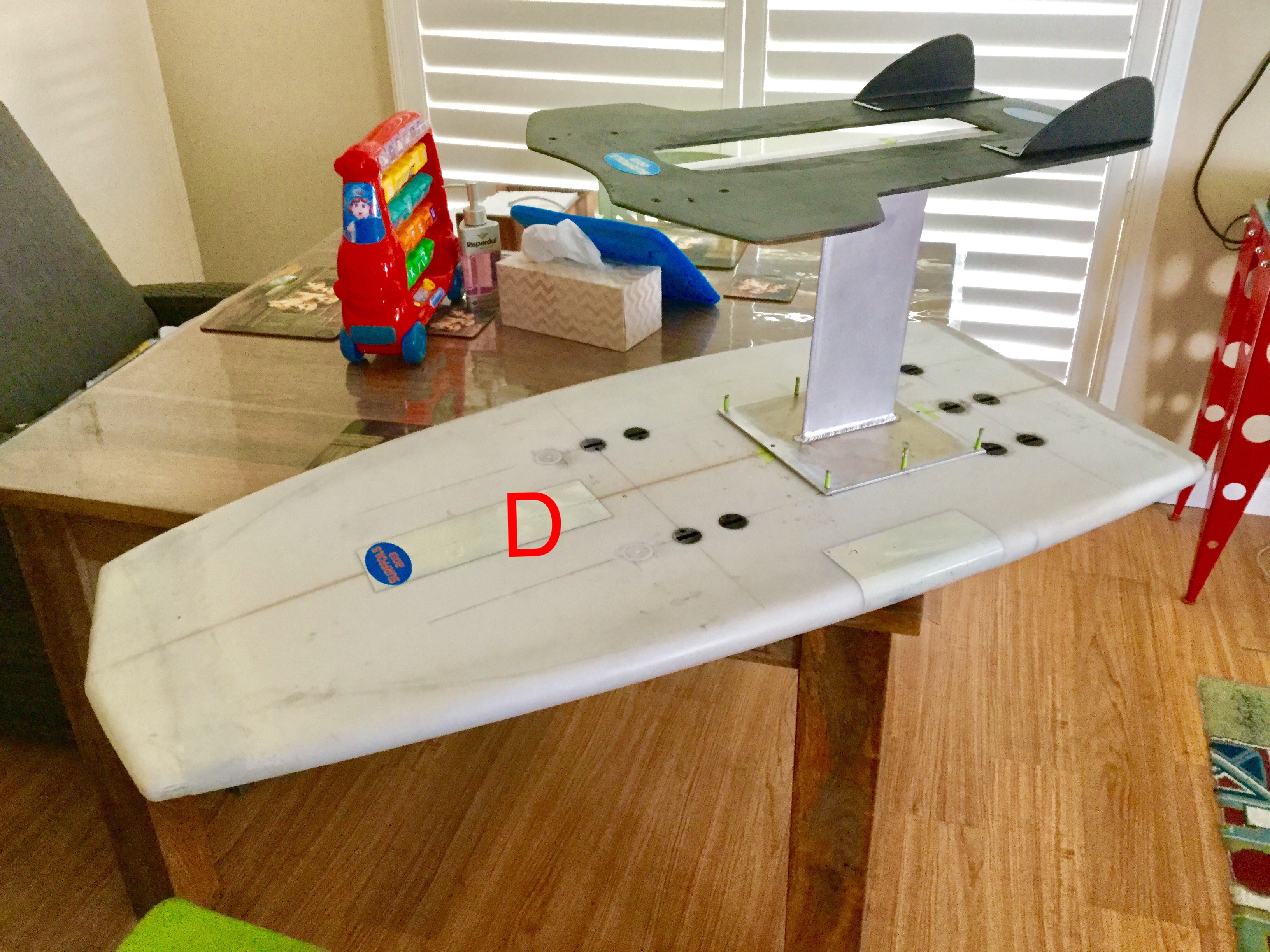
Single strut setup.
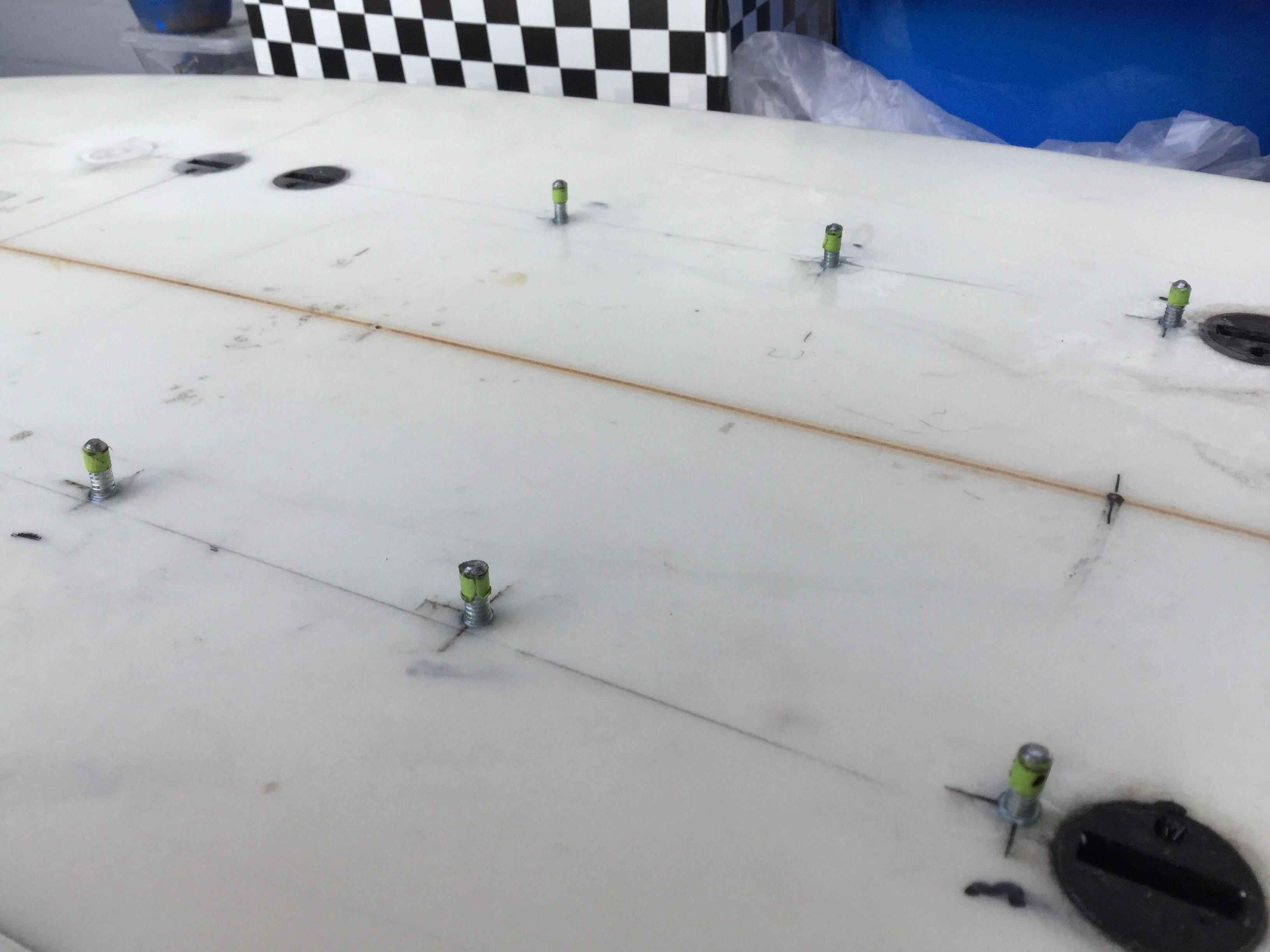
Use any old snapped board, mark out holes from the foil base.
Drill down to the deck ( but not thru) and drop in resin and threaded rod. The resin soaks into the foam and grabs the thread on the rod.
Then put on some nylon nuts and a foil and you’re out the door.
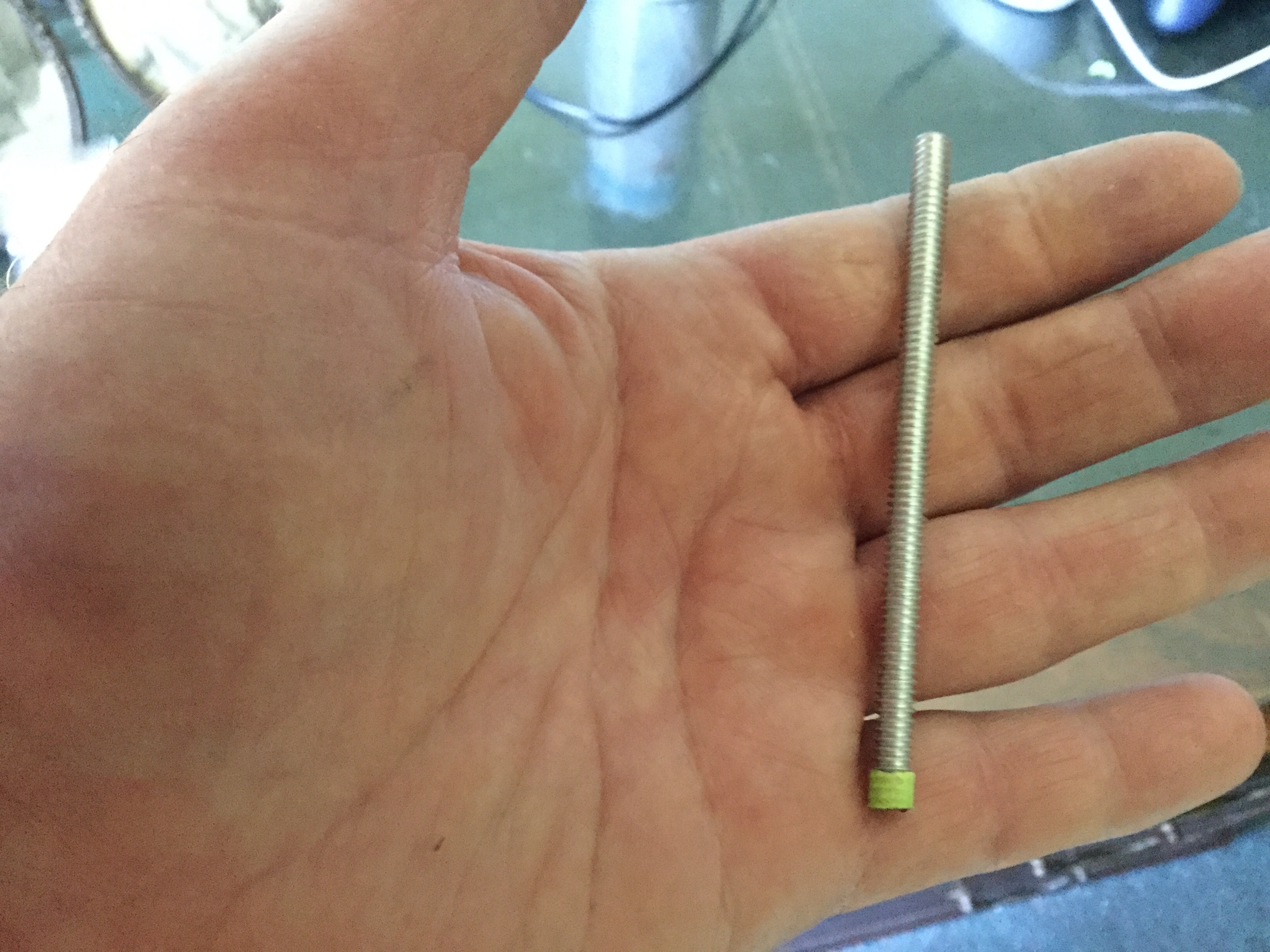
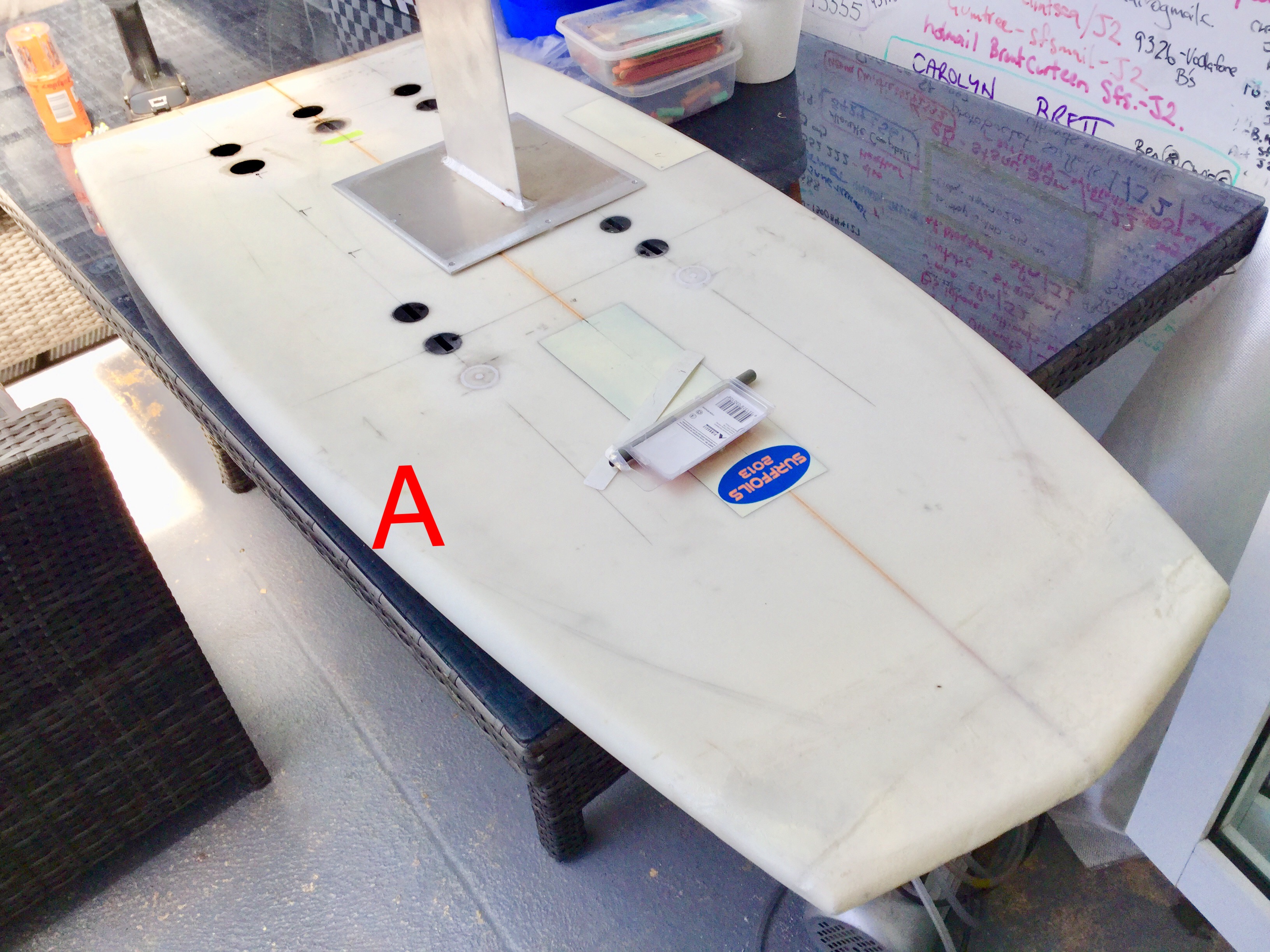
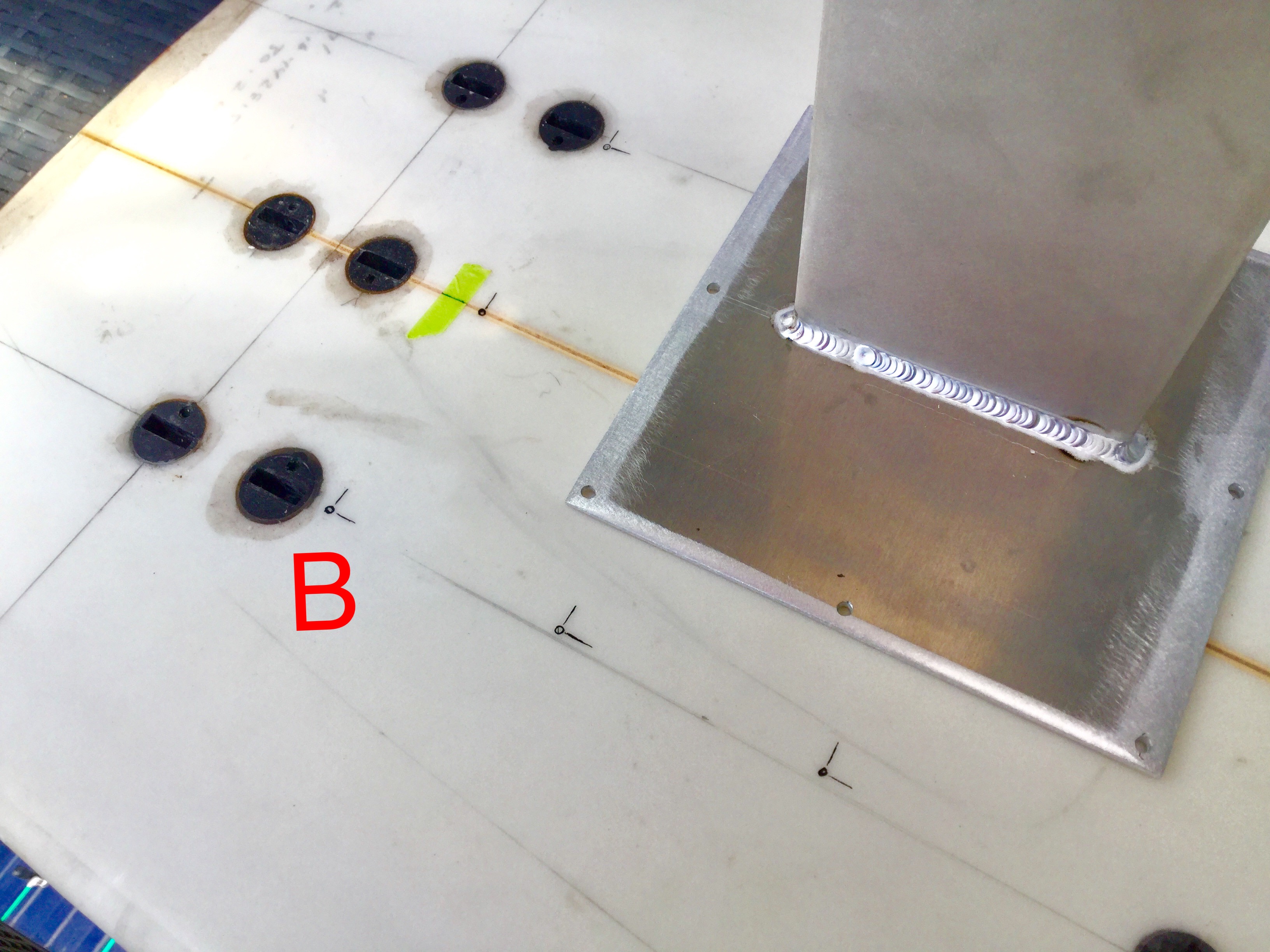
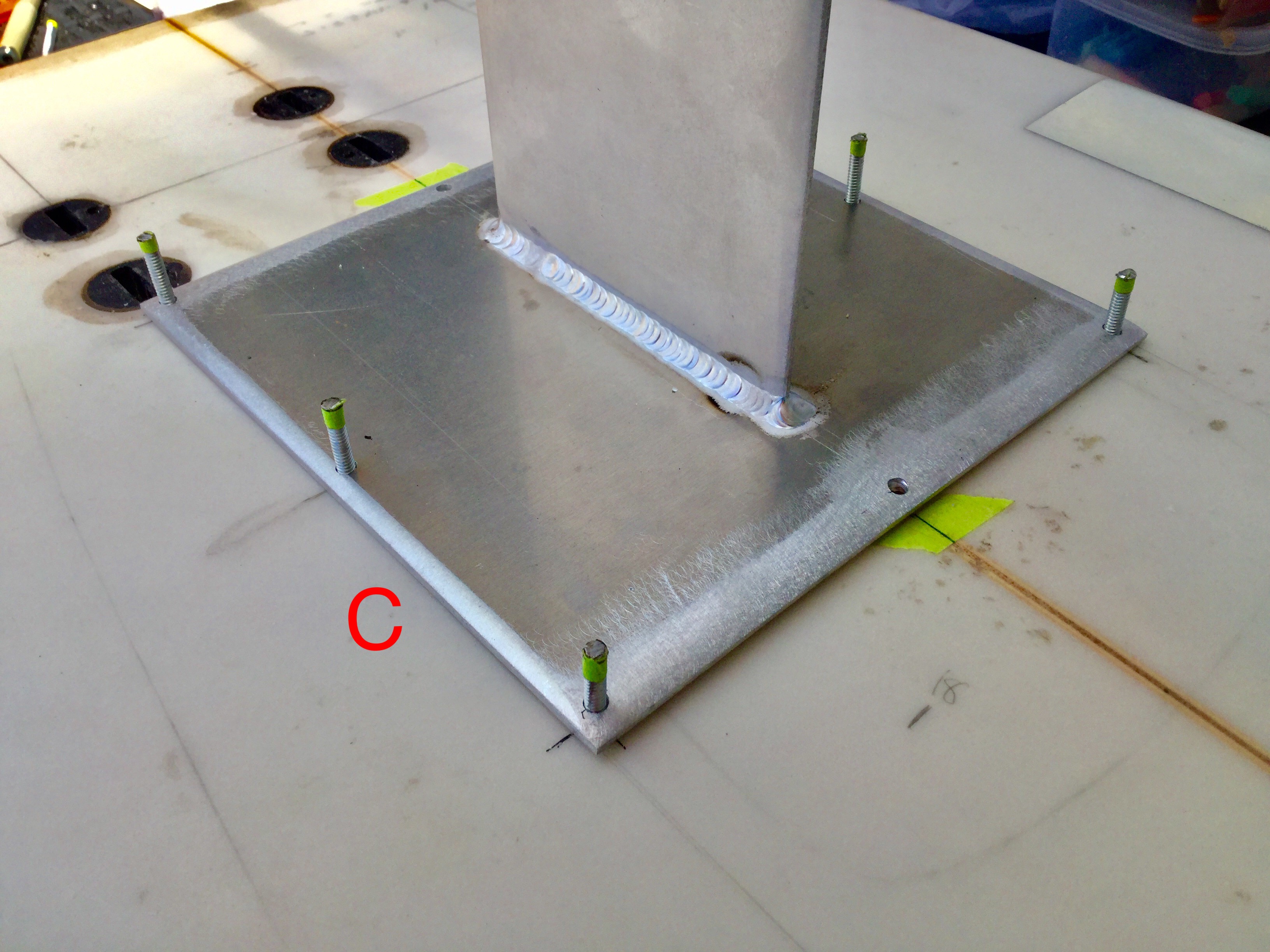
Cool! I assume you trim the threaded rod after the nuts are tightened? Might want to use a metal nut as a thread chaser to make sure you can get them back on if you ever need to remove the foil, at least at first.
Yes I’ve cut them down to fit the baseplate, nut and a few mm.
the threaded rod is solid as a rock, it’s not coming out without a fight.
I prefer multiple struts over a single mast to spread the forces but a single looks neater.
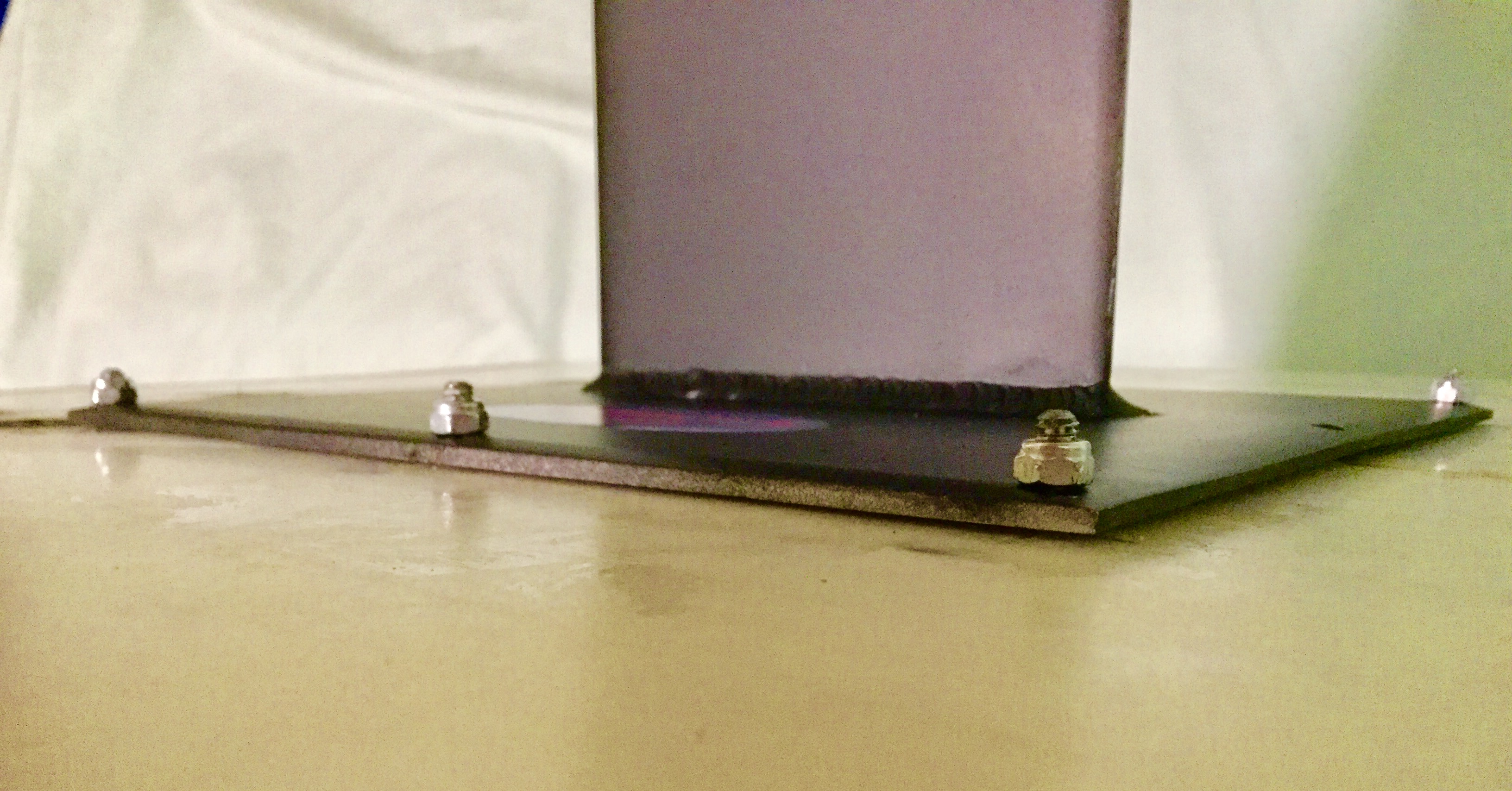
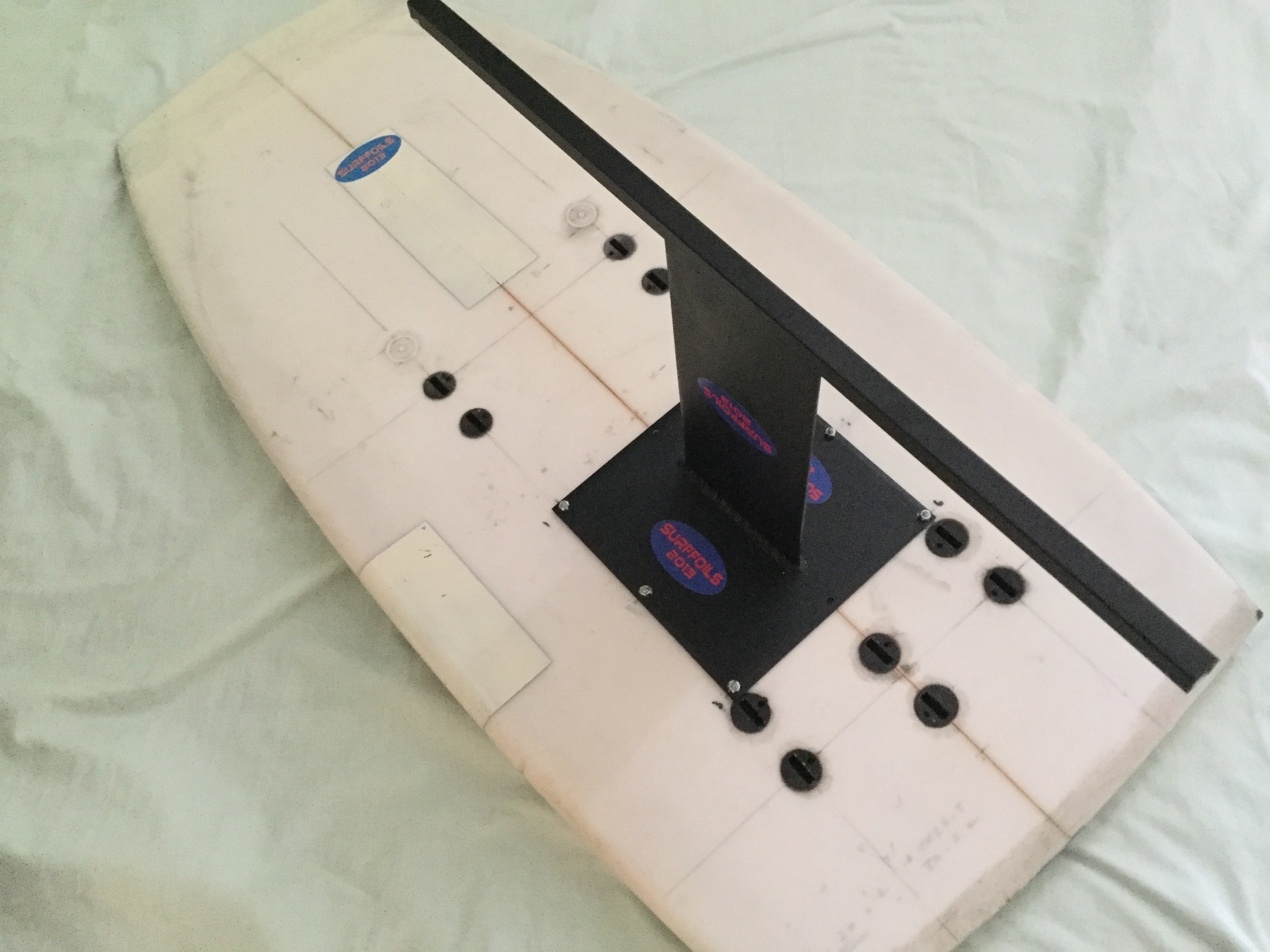
Single mast on DK / prone board.
Ill have to make a new test sled for the single mast, it’s not what I like, but it’s more about fitting in with the current popularity of single mast setups.
i might even make a foil of my own design that fits onto the commercial masts.
Brett,
That is a very nice looking weld job at the base of that aluminum single-mast.