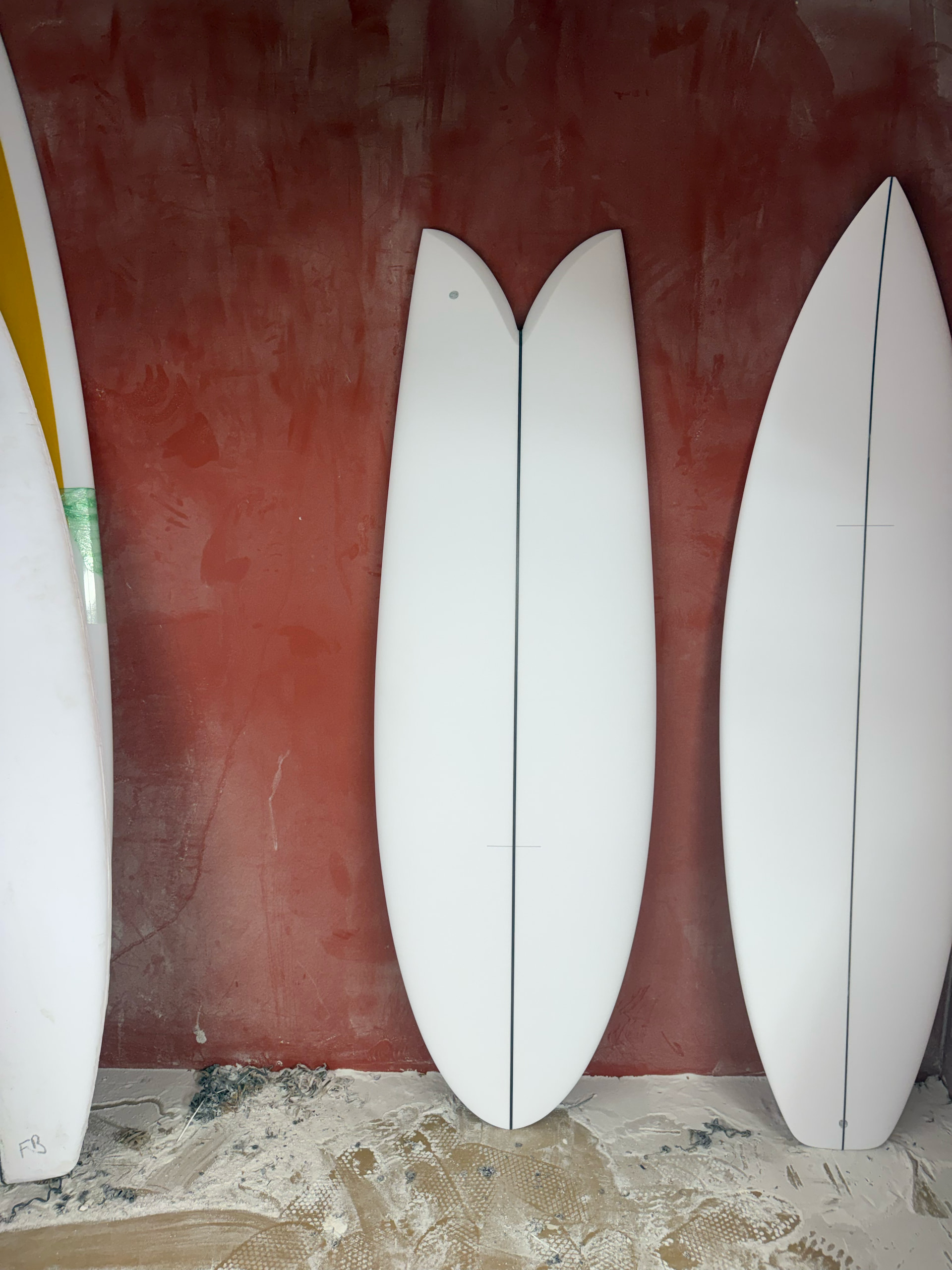
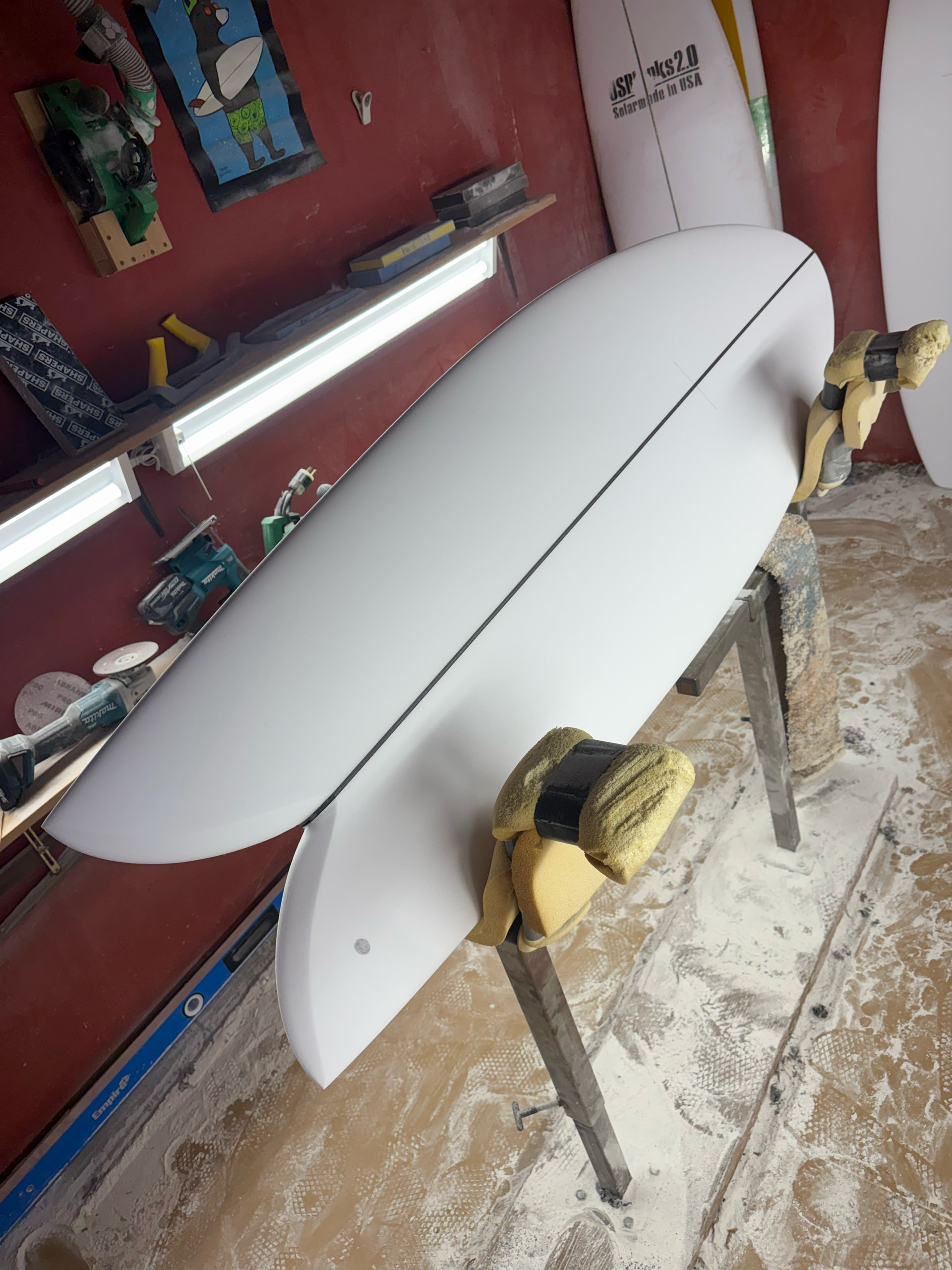
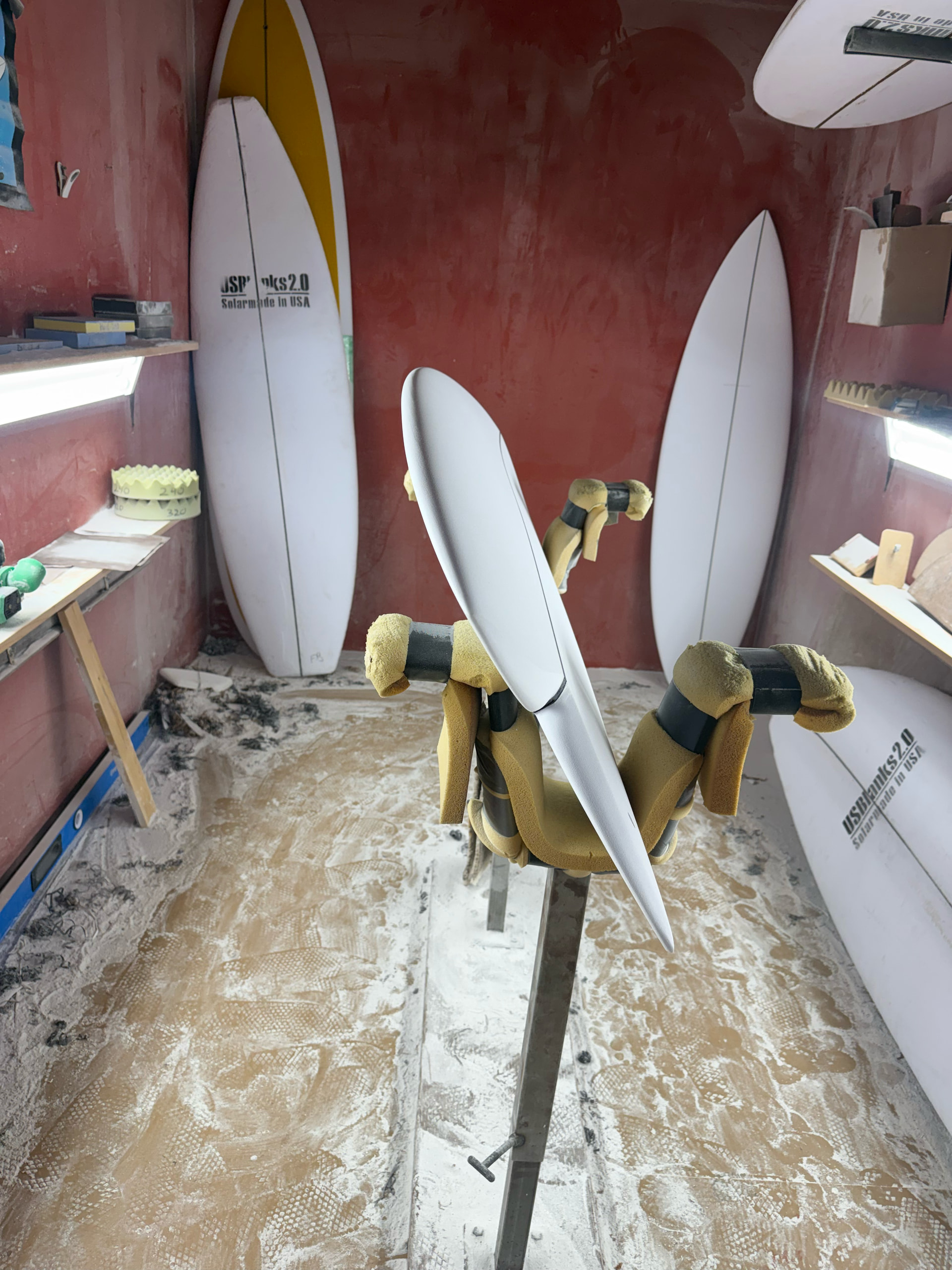
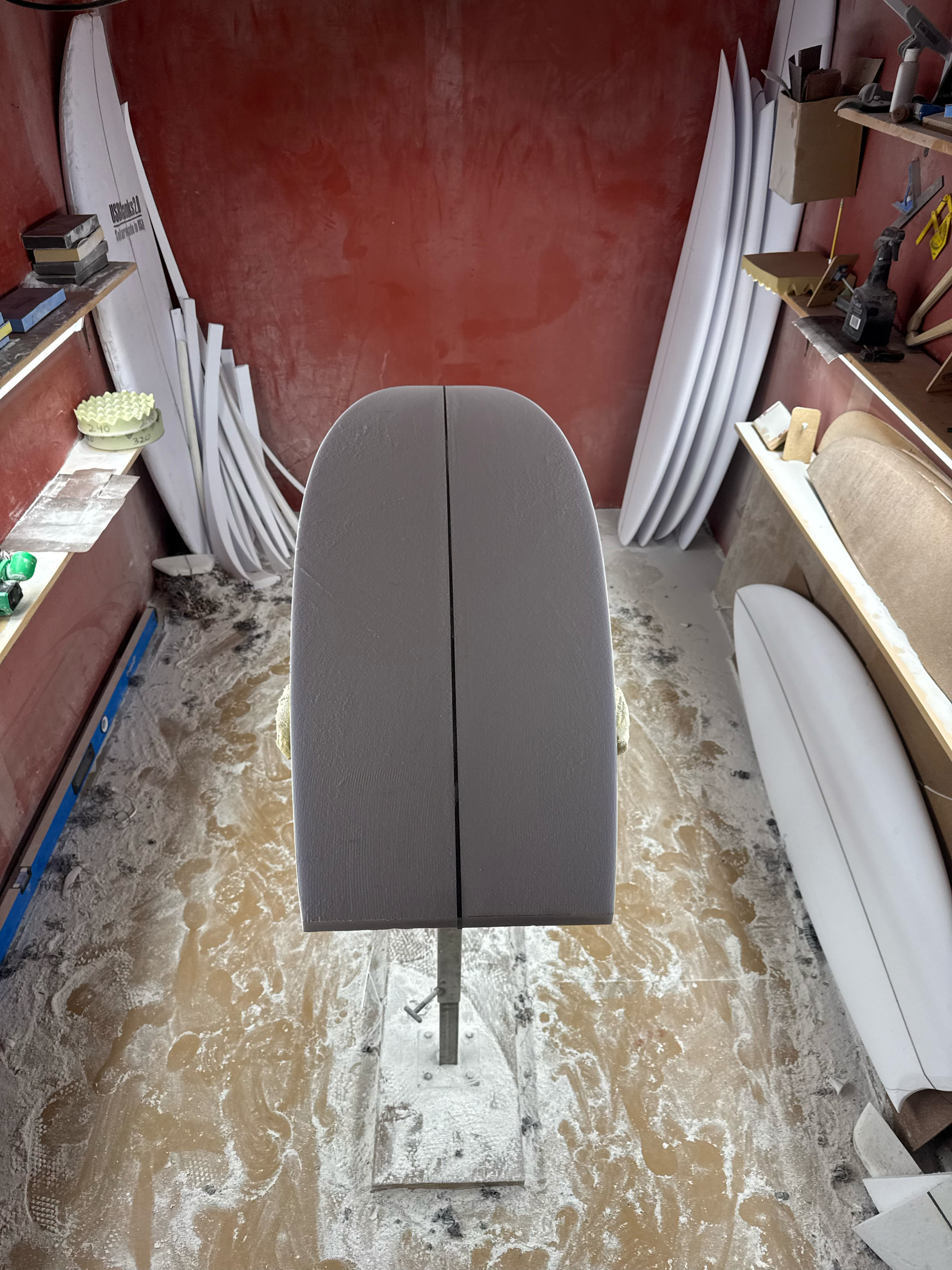
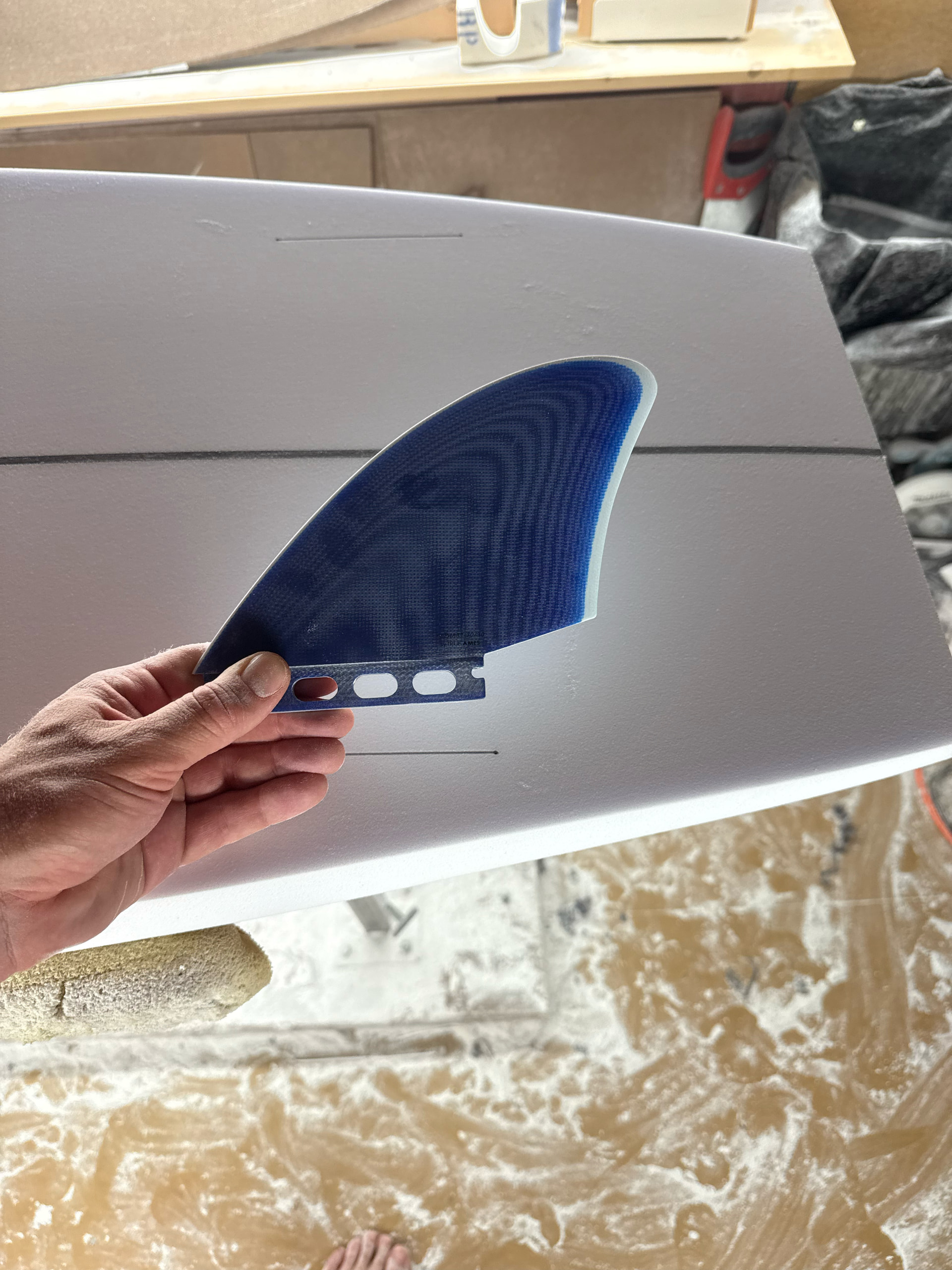
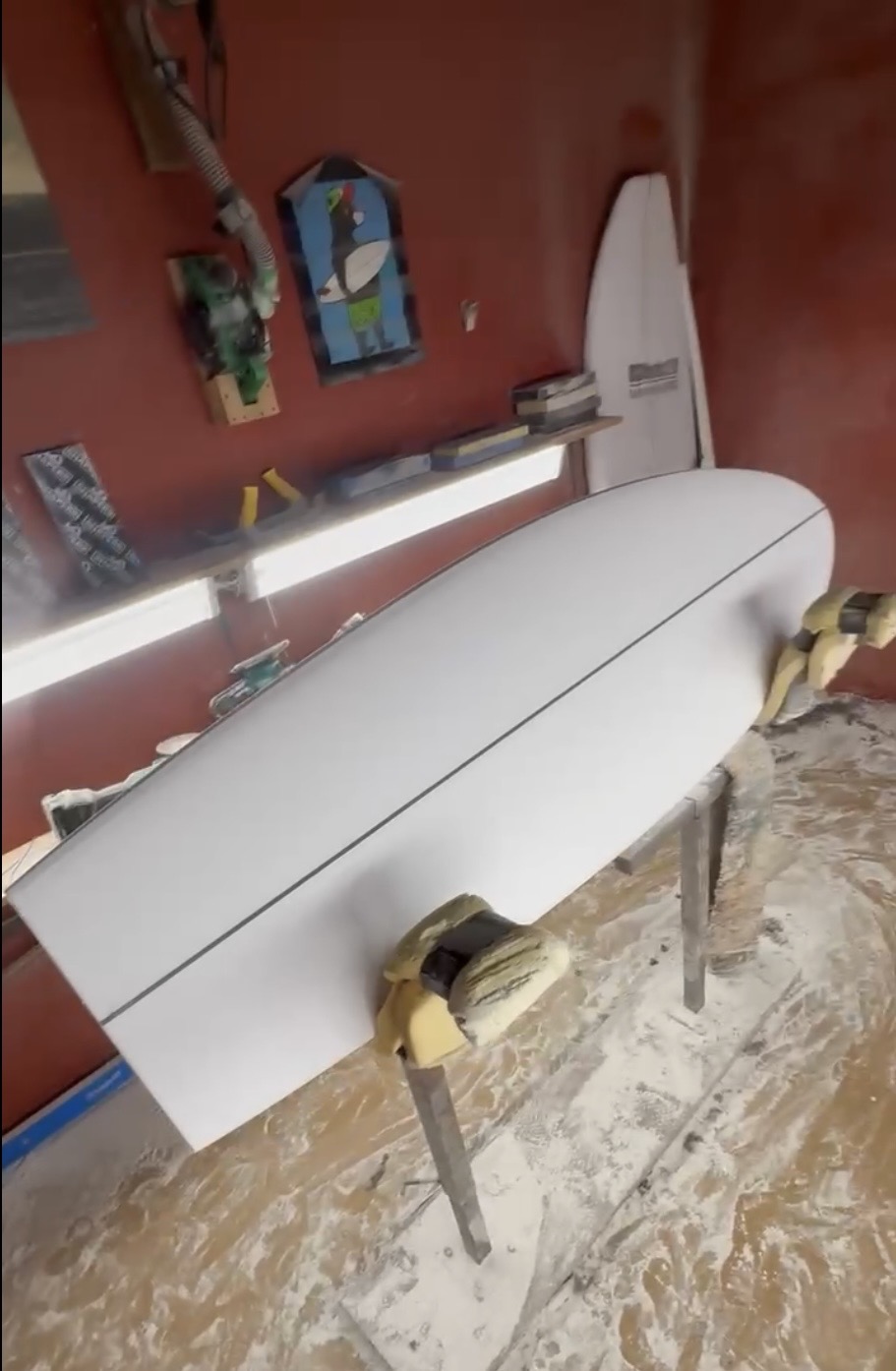
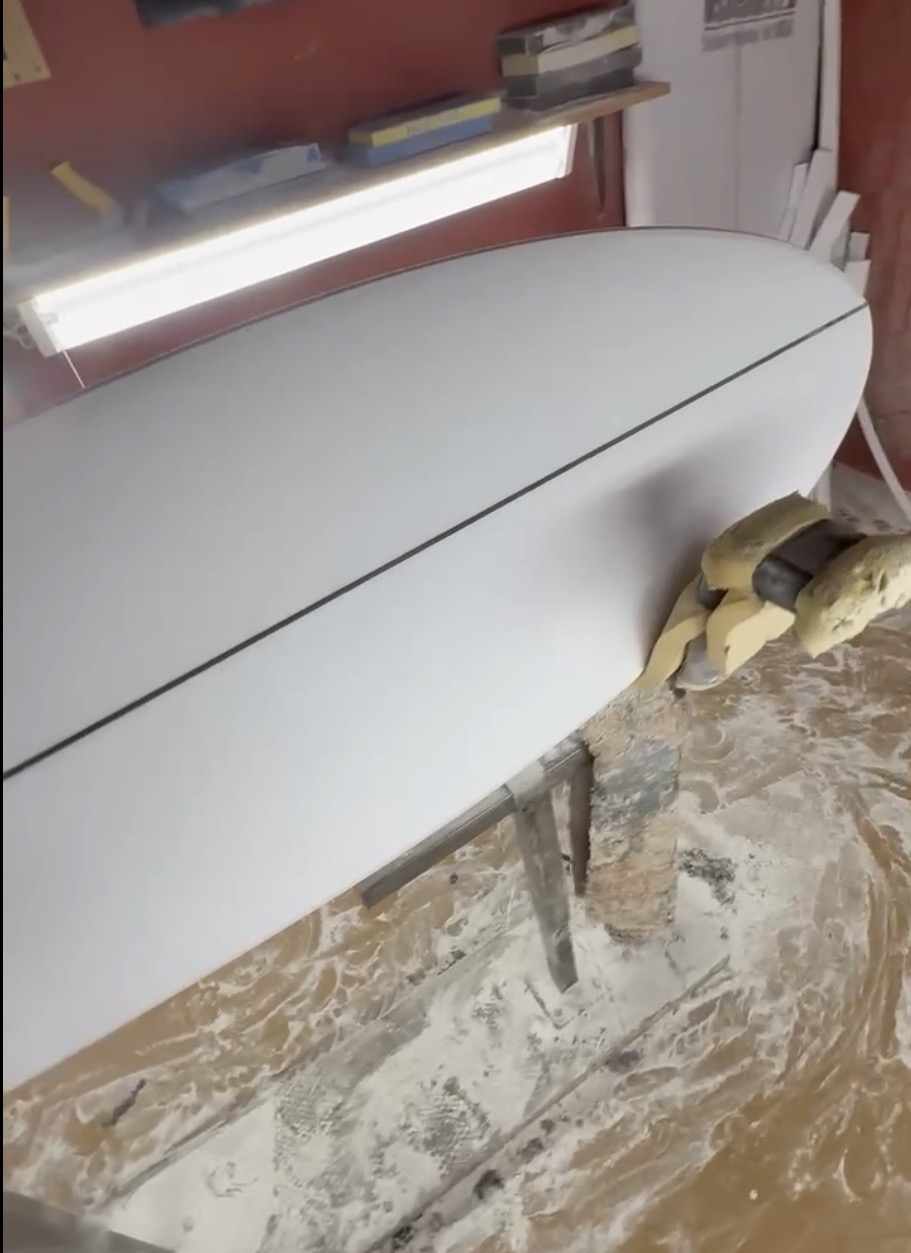
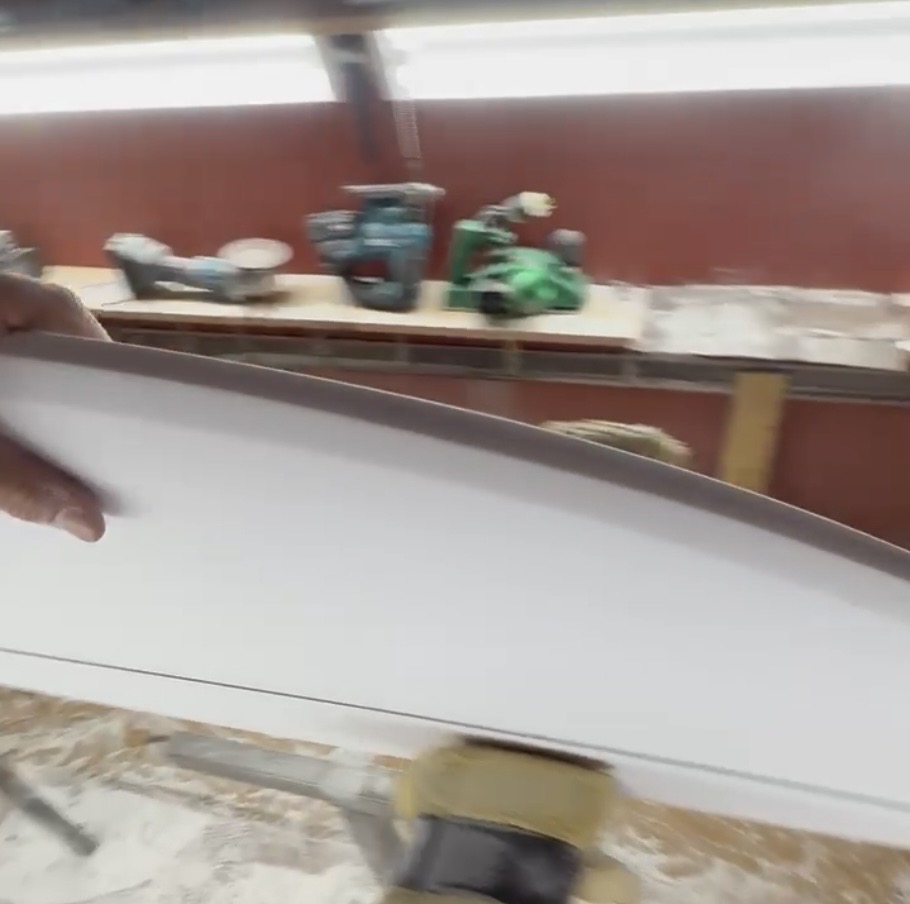
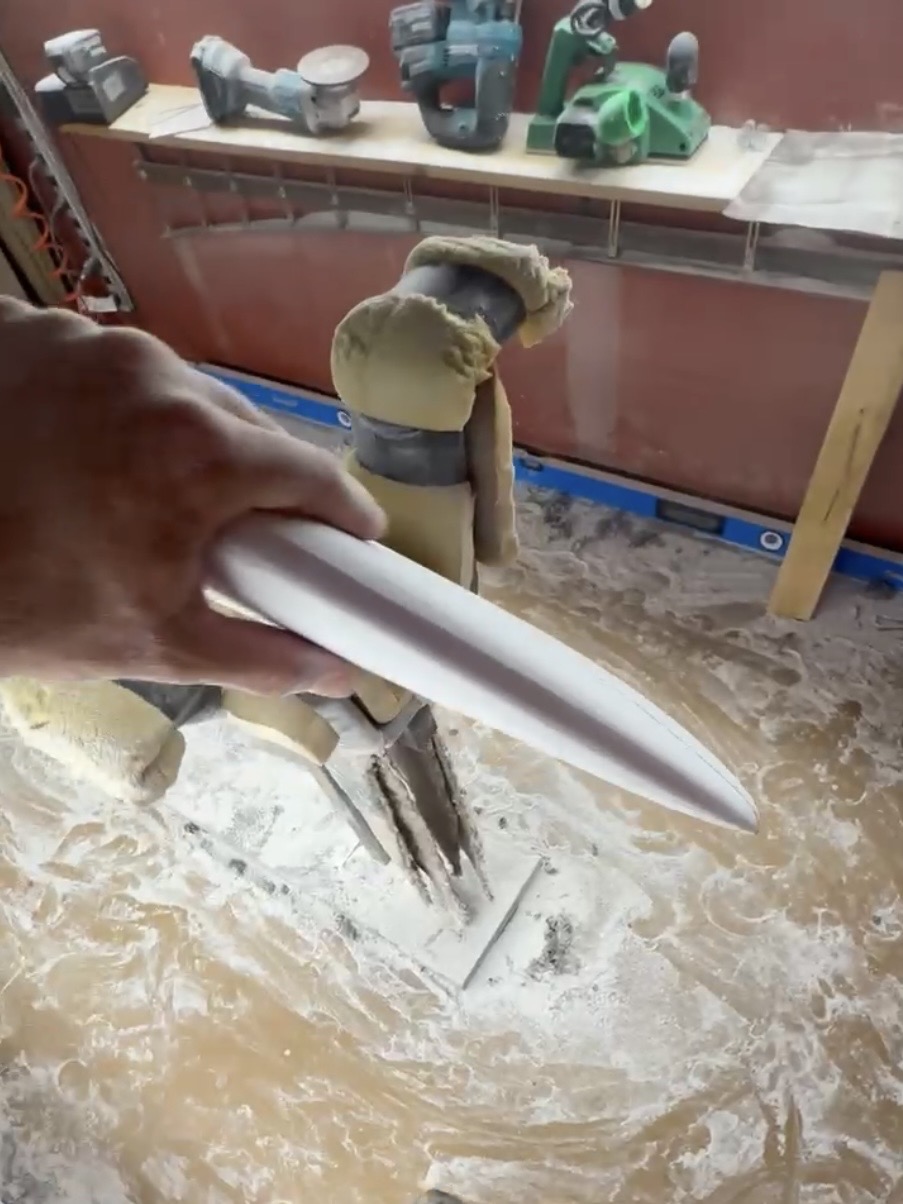
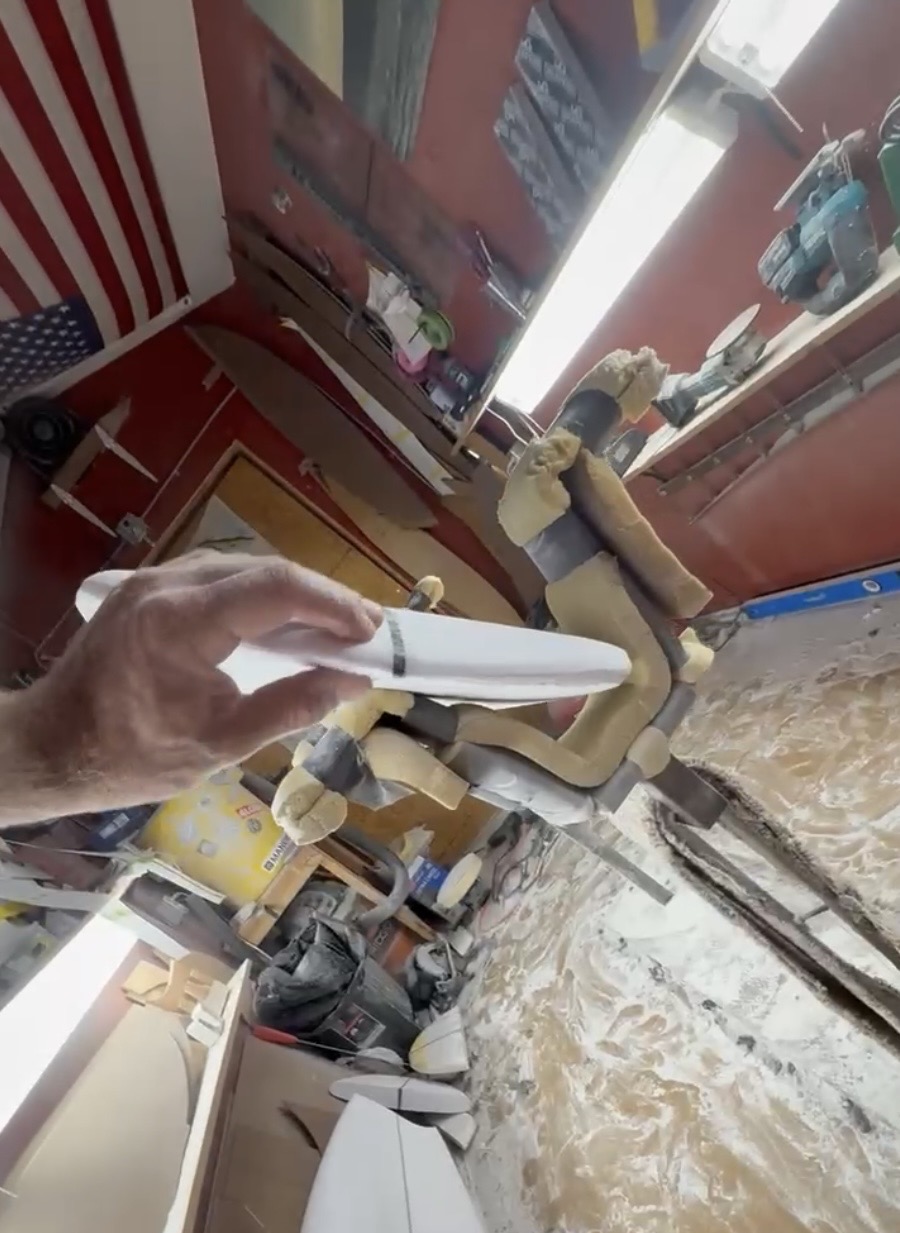
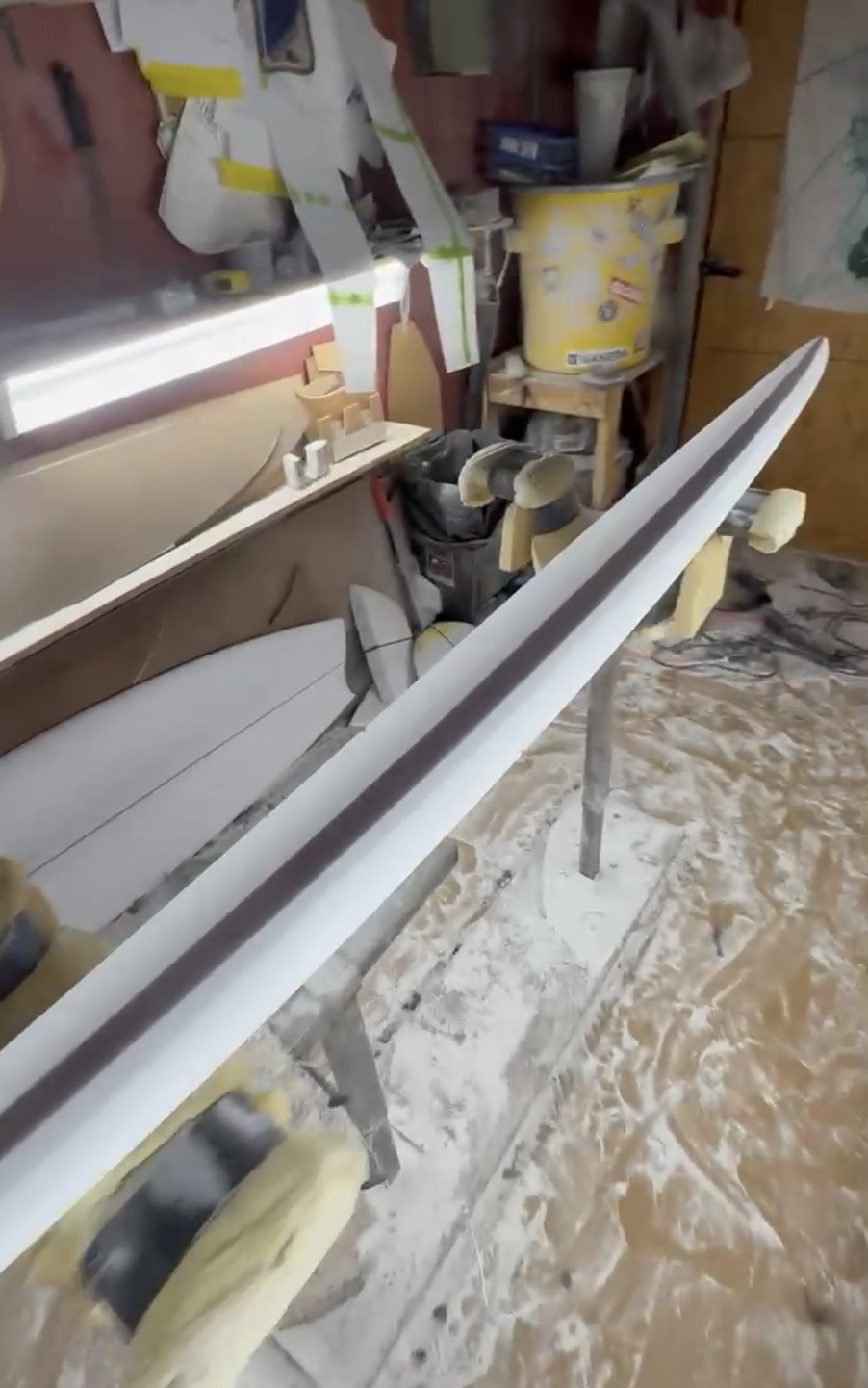
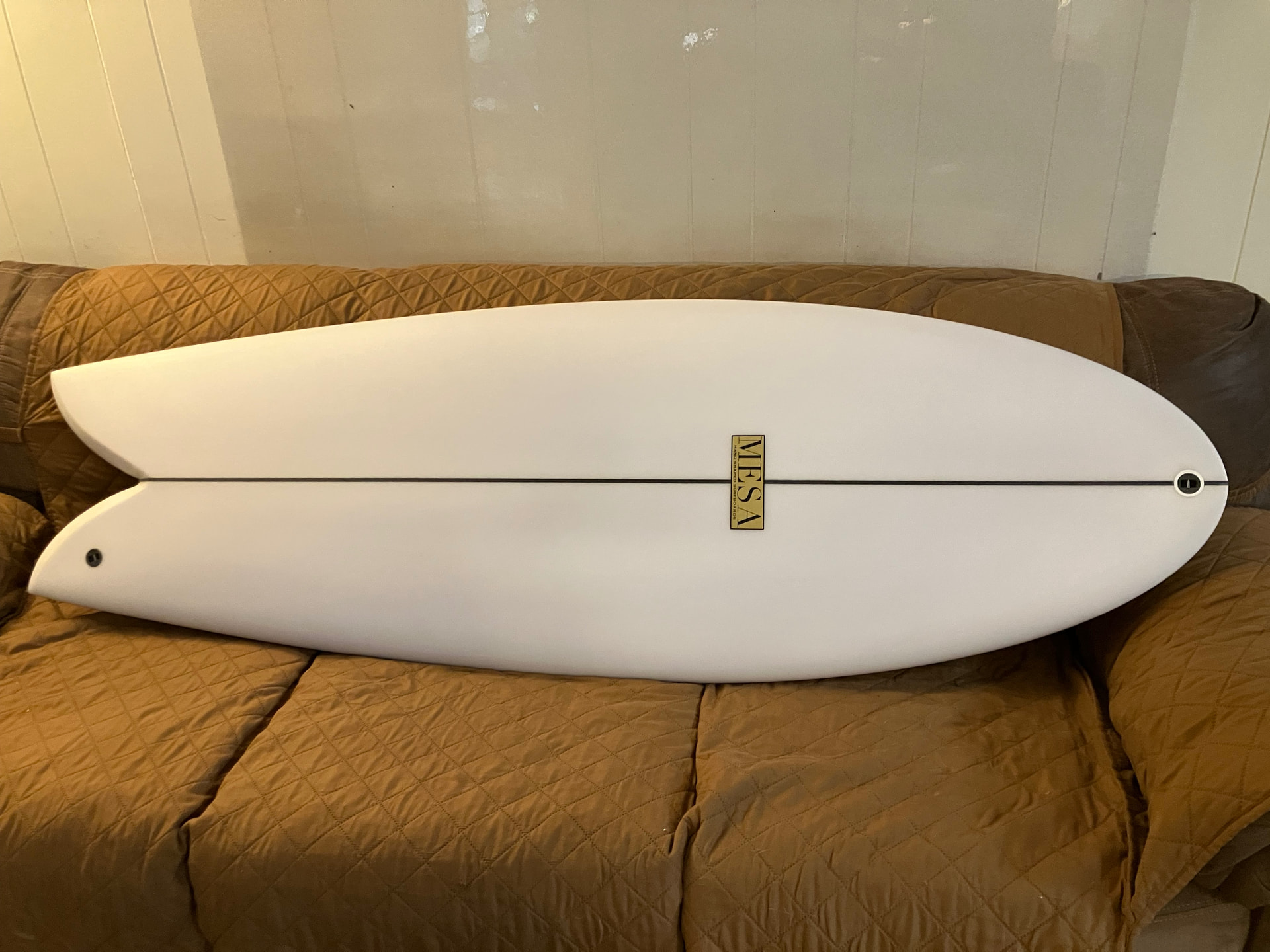
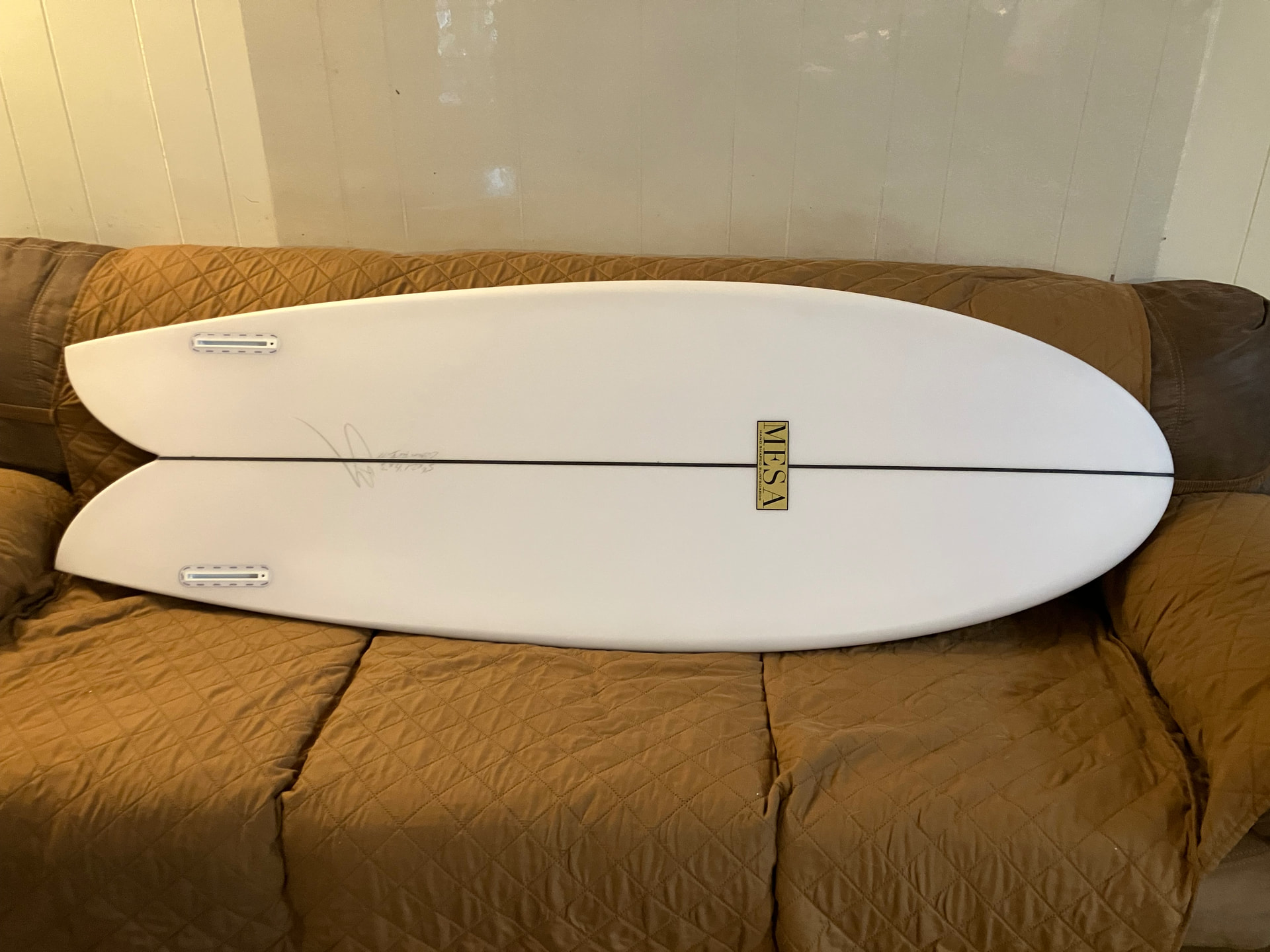
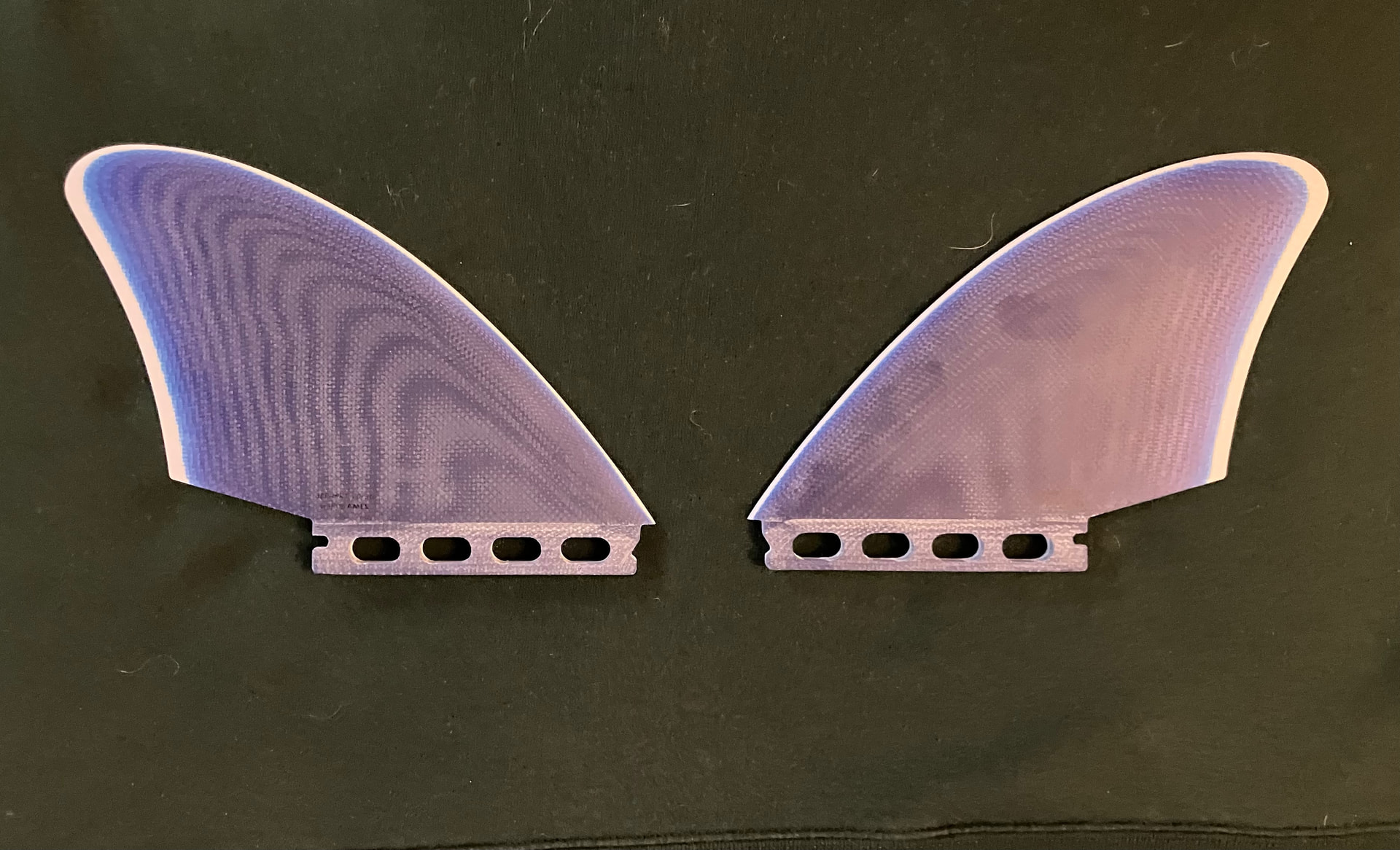
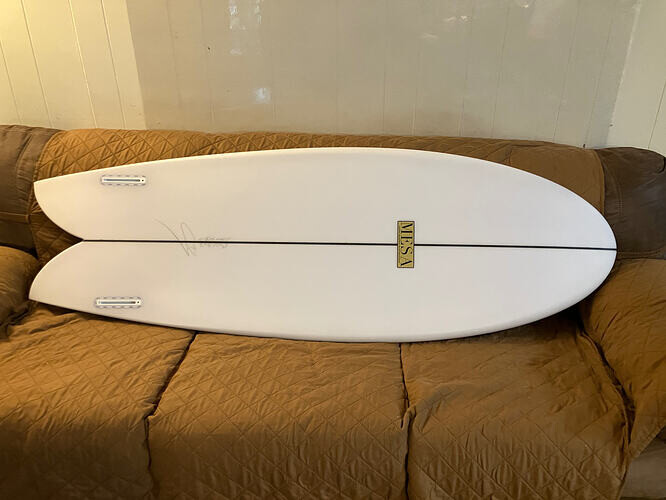
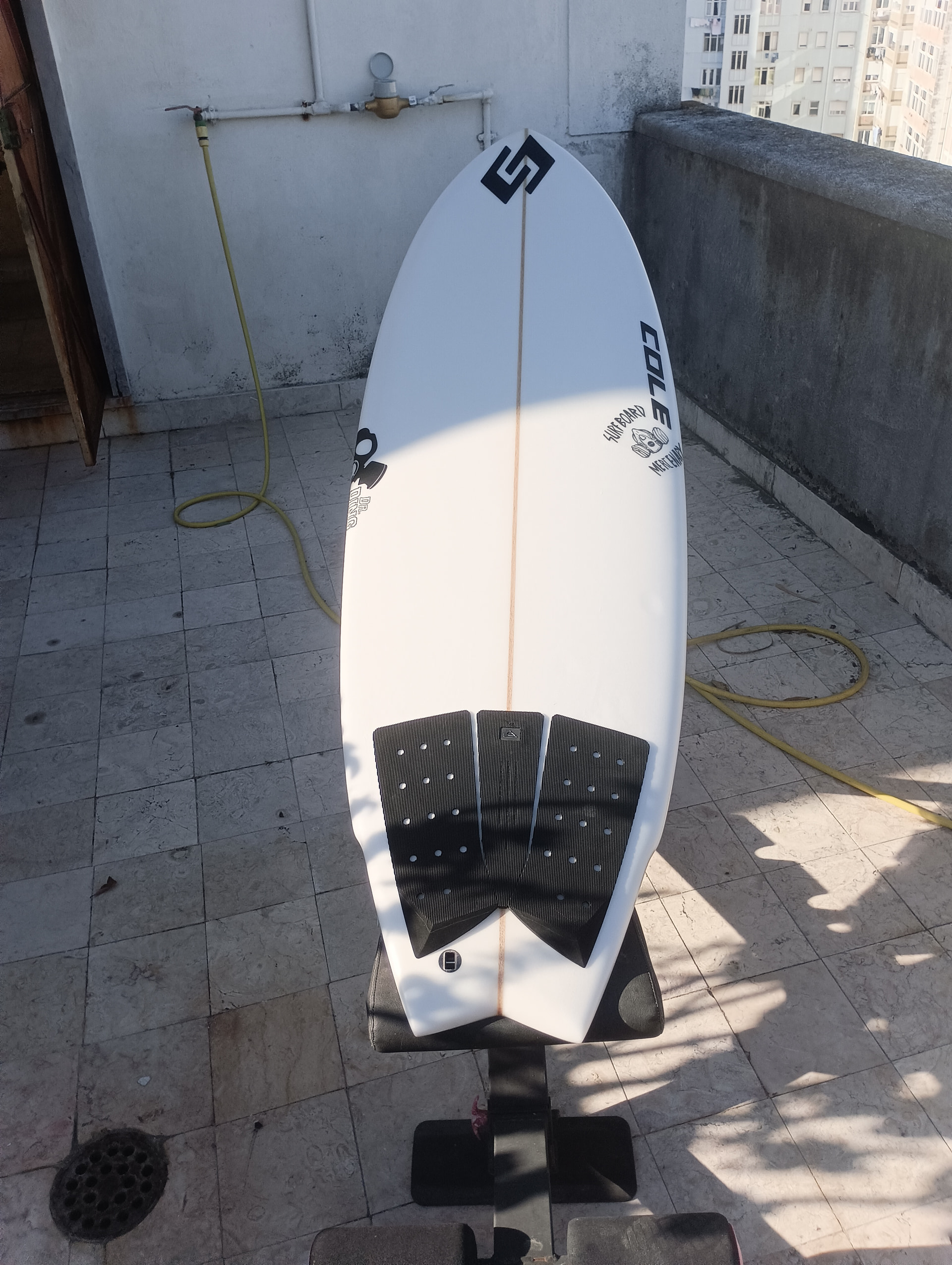
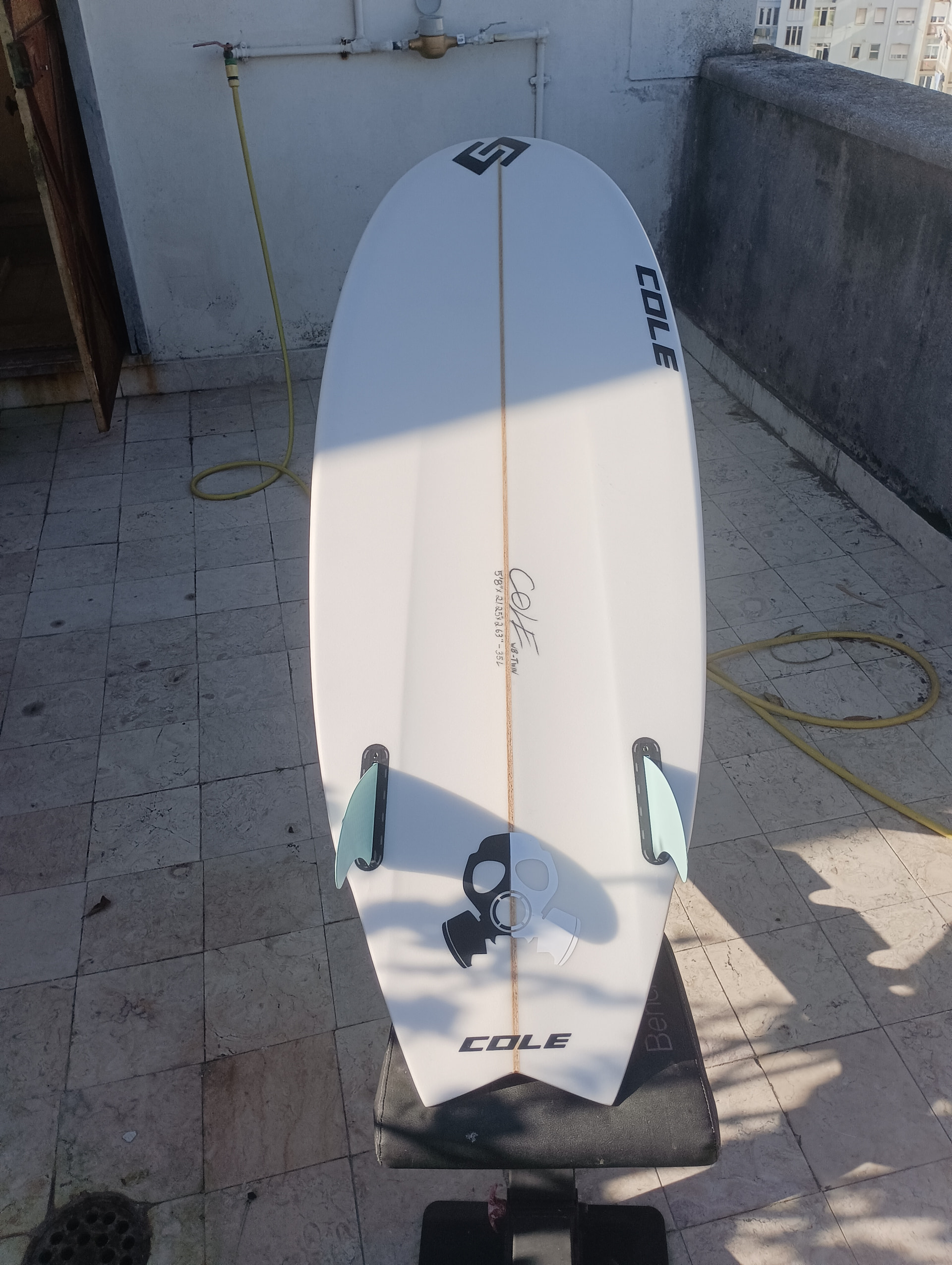
After being ghosted by yet another CNC Surfboard shaper several weeks ago, I decided to have a custom shaper use my Channel Fish template to make a Retro Fish. I designed the outline/template, resident shaper MRat is responsible for the rest of the board (rocker, rails, wings, etc.)
It’s headed to the glasser next.
I call it the E-Type Retro.
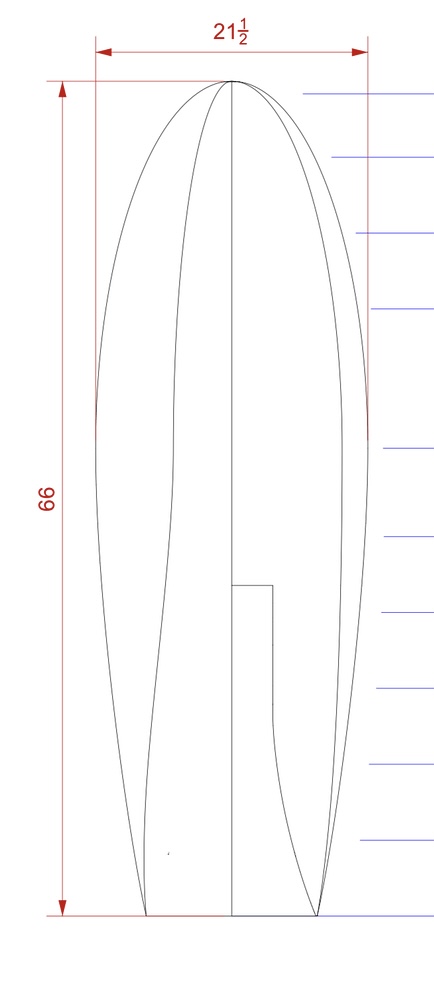
3” x 21.5” x 66”, tail width 13.5” inches with 6.75” butt crack.
@MRat has done a great job shaping it. Figured it was my only chance to get that outline in a high quality, rideable SB in time for my annual pilgrimage to the NC coast. Still have 4 Paipo-HP blanks and a slight design modification of the 42” Lord-Coanda hybrid in the queue.
The original template/outline for this build was part of a personal challenge to create an all math generated Coanda Channel SB design.
The template was Lis Fish inspired but used 2 basic equations for the curves. Fluid dynamics curve for the tail section. Basic math curve for the nose section. When I saw your CAD rendering of my data, I knew right away it was a shape I have been after for decades.
Thomas Vilmin (of Shape3D) IGES rendering of the @jrandy STL file.
first consider i am 173 cms tall and 77 kgs and i am an average everyday surfer in terms of talent and fisical condition.
i have a cole surfboard ( the american cole, not the french cole) and its a mb twin model that ressembles a lot to your design ( i know yours is unique, but mine ressembles) and my question is ( and i havent test drived mine yet) how did you arrived to the 21.5 wide measurement, because everytime i hold mine it almost doesn’t fit under my arm. And when i look at it, it looks like a lot of table top.
i also understand a fish should be 2 to 3 inches wider then your average shotboard but would really like to know your toughts behind your choice of the 21.5?
also if you need any more info on my board let me know.
First, my objective was to put my take/spin on the first (Retro) Fish Steve Lis made for a stand-up surfer, Jeff Ching. That board was reported to be 21.5” x 65”. Steve’s first Fish kneeboard was reported to be 4’7” with similar width. Years ago, I found another Retro Fish surfboard template that 21.5” x 66”. I’ve been playing with Retro Fish design for many years.
Second, I wanted a board board that I could ride prone and arm paddle for take offs rather than use swim fins, if I wanted to. I also wanted the option of stand-up riding. To this day, Steve Lis says the Fish was designed to be a kneeboard. So I decided the first Lis Retro Fish stand-up board was the way to go: 21.5” x 65”-66”; widepoint 36”-37” from the wing tips. (BTW Steve Lis’ modern Fish surfboards sold at Bird’s Surf Shed are 21” wide for all boards 66” to 74” long.) All of my BB/Paipo prototypes are 22” wide.
Third, every 5-6 to 8-0 board I have built/bought new for the last 57 years has been 21” to 22” wide. My first 5-6 twin fin was 21.5” x 66”.
Fourth, as width increases, boards become more stable, less side-to-side rock (roll). IMO makes wave-catching/take-offs easier.
Fifth, but less significant at 66” long. Increasing width increases bottom surface area which reduces the speed required for planing.
Any change you could share the equations. It’s OK if you don’t want to give away the exact coefficient values. I’m just interested in seeing what kind of function you are using (polynomial?).
Beautiful looking board! You mentioned above something about a coanda channel. I can’t tell what the bottom contours look like in the image of the bottom.
The nose equation is simple — circular geometry — the ellipse. I use variations of the ellpse in SB design elsewhere also.
The tail curves are a variant of my master equation (the master equation/curve is my secret sauce). I use variations of that equation in several areas of SB design. I engineered the master curve from a significantly more complex equation. The tail curves are polynomial.
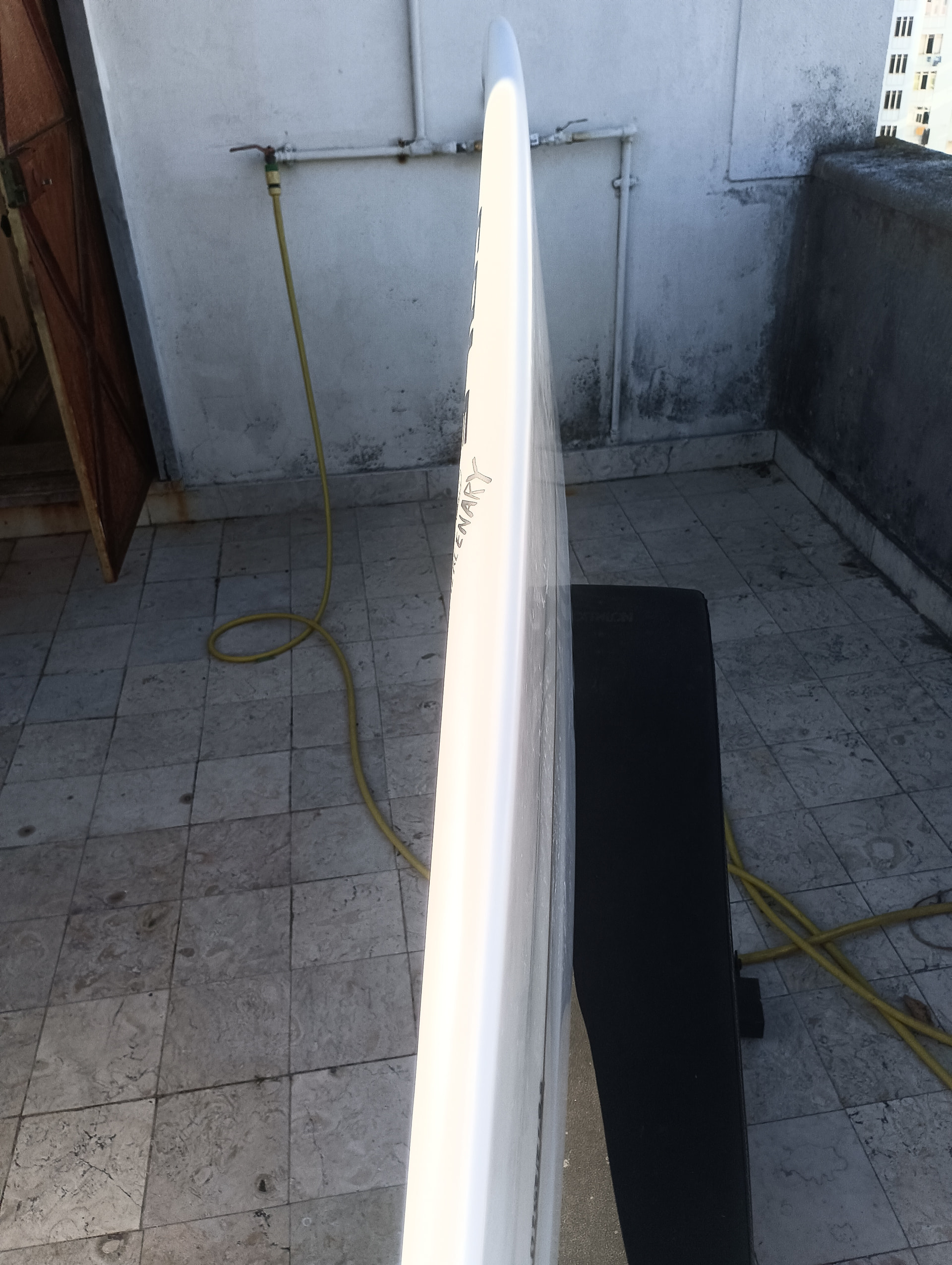
Regarding the Coanda Channel, it is not in this E-Type Retro. The bottom is flat nose to tail. I really liked the outline of this template. When nobody would CNC shape my Finless Fish (Coanda Channel in the tail), I decided to have @MRat make me a quality Retro Fish using my Finless Fish outline/template. The “E” in E-Type stands for Equation/Ellipse.
The Coanda Channel in the Finless Fish design can be viewed at these links,
Reminds me of the old Steve Brom Dyno Fish shaped for David Nuuhiwa. Wide noses and swallows. I met David buying beer in Corona Delmar, and wound up buying his 6’ Dyno the next day. Brom was the “go to” shaper in the 70’s.
That is a pic of a Brom shape that resembles yours. In ‘75 I met with Nuuihwa at his shop in HB and he sold me his 6’ Dyno fish $300, round nose, 3 stringer, down rail, hard edge all around. Worked great, eventually sold it for a 6’6” Eaton Bonzer. I believe Brom also worked with Clyde Beatty Jr. on the Rocket Fish, pointed nose, lg swallow tail, concaves, beveled rails, and tiny trailer fins out on the swallow tips. They were dedicated to those models. I even bought boards from Beatty after he left CA to managed the Dragonfly Factory in Hong Kong. We did fishes 5’8” to 9’ and a longboard version of the Rocket 10’ & 10’8”. Swallow & quads forever. Take care Bro, Steve