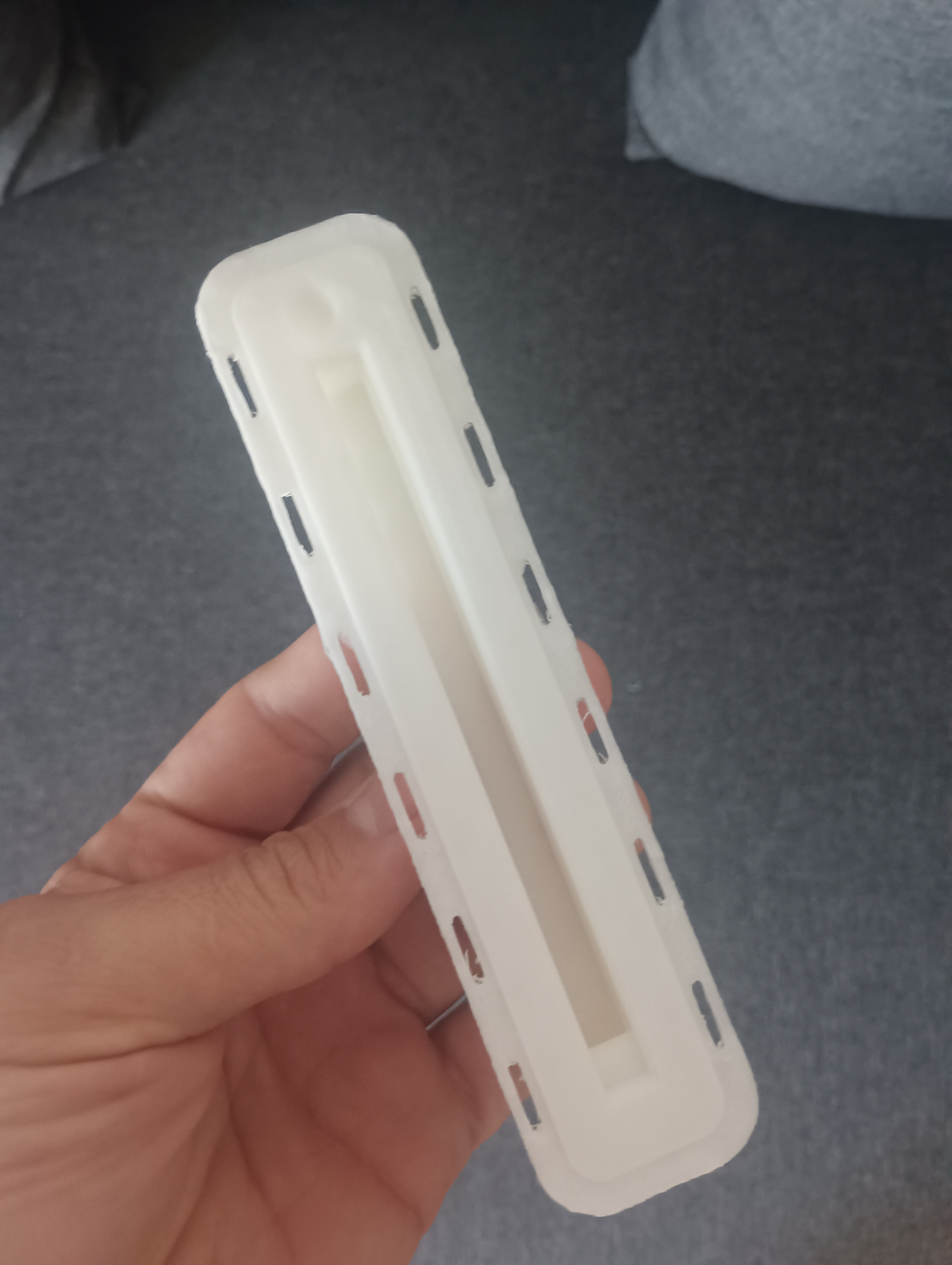
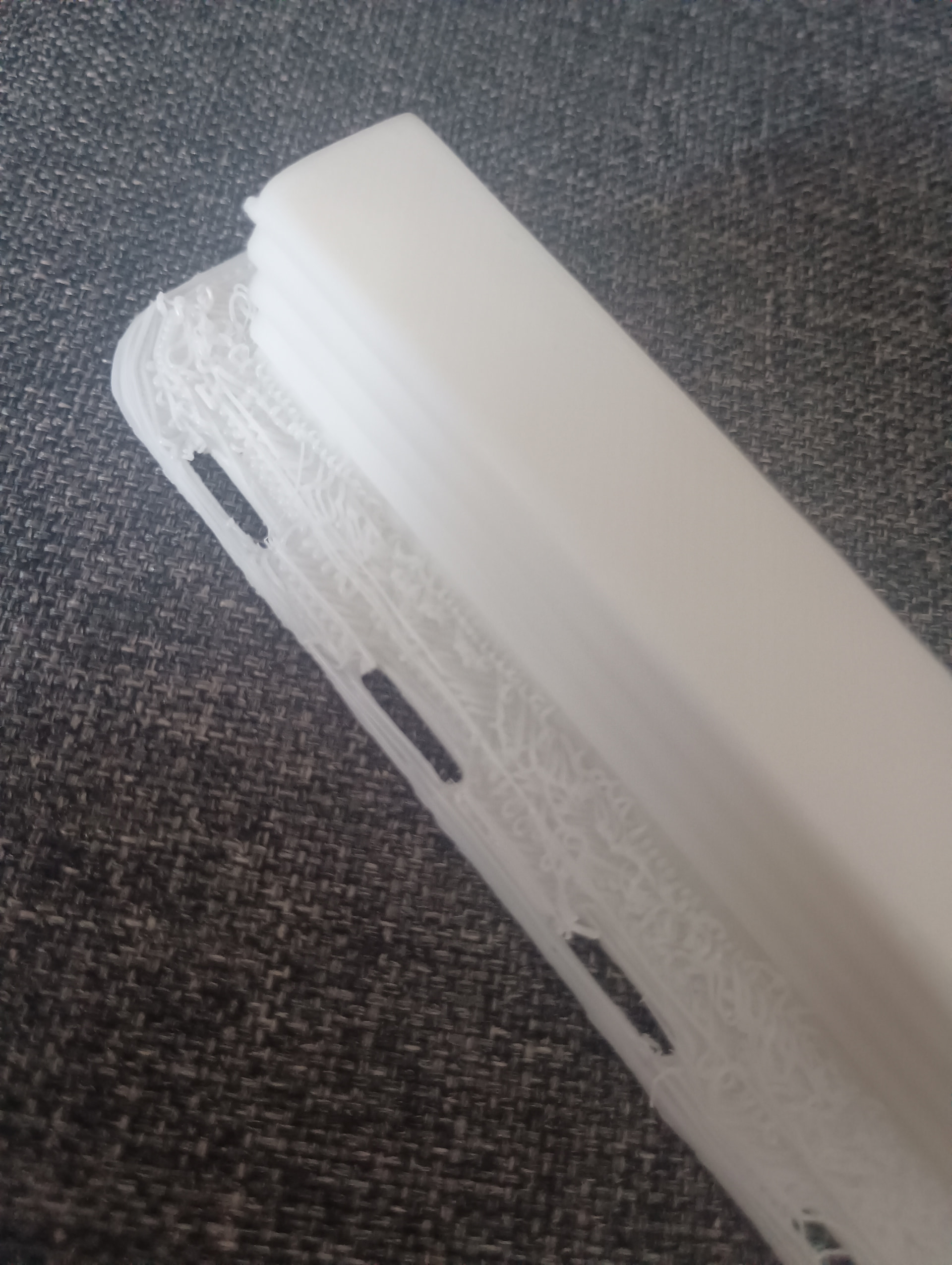
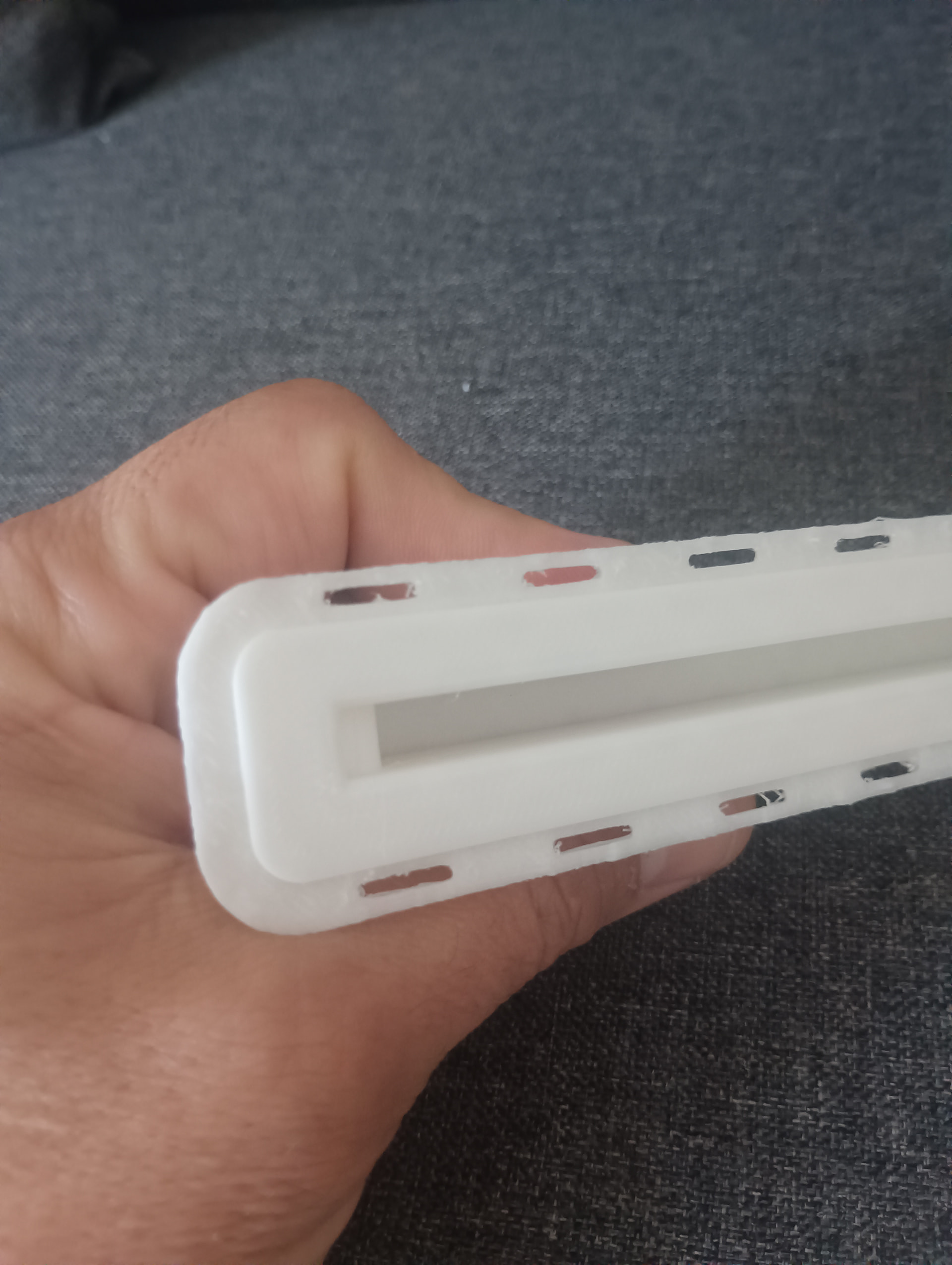
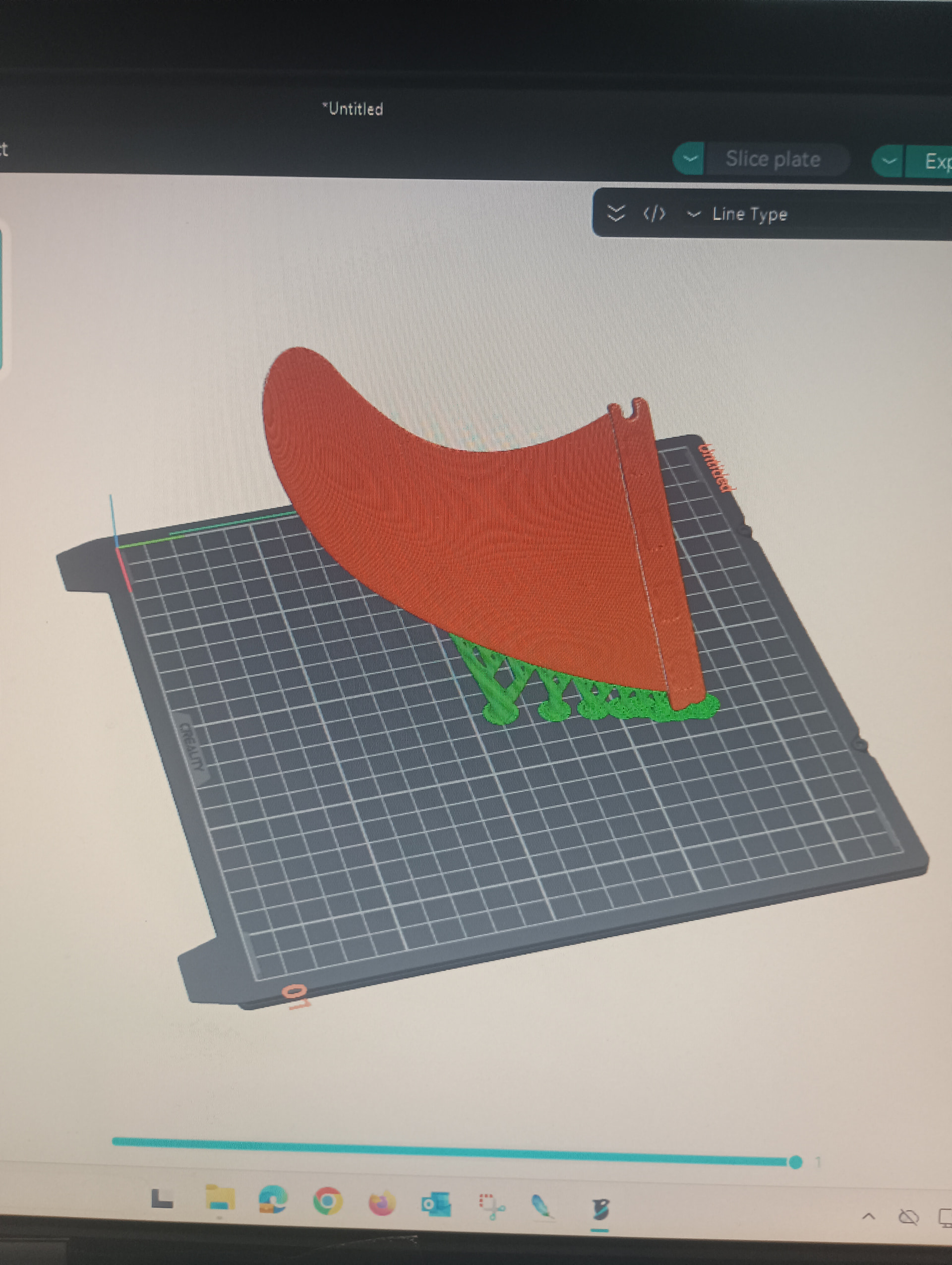
Hello, the file is from pacocrayon on thingiverse, i used standard PLA filament and standard slicer setings from creality software, also i printed it from bottom to top
It’s up to you to figure out the best settings , cause it will vary with type of printer , filament etc.
One thing id recommend is to use a different type of support or support with other settings to density etc. I don’t know the creality slicer .It looks like the flange is very thin and your support does not allow for a clean layer.
using a 0.4 nozzle do you think is best with a 0.6 nozzle ??
i printed it from bottom to top so i had a lot of hair/ cotton candy stuff under the flange. I guess that this material that was not laid dowm correctly due to lack of sustentation, i will go prototype 2 upside down and publish.
i guess not buying has to do with the pleasure gained from the learning curve and forcing myself to learn a bit more of the digital world 3d modeling and etc…
anyway if the ones i am making are not good quality i am not puting them on a surfboard.
The decision for abs vs petg depends on your printer . If it’s not enclosed and temperature controlled use petg. 0.4 noozle is good. The results may be better when you use dried filament or new one.
For this kind of homemade 3D modeling project i would use a CNC router for cut in a fiber reinforced bloc. At my job we came back more and more to router after printing “disappointment”.
Hi I have been printing fins for four years. Here are my observations.
Petg will snap. Ordinary pla is too flexible under about 1.2 cm depending on chord and span. Fins warp if left in car for six weeks in oz ox summer. 50 percent triangular infill is stiffer than 100 percent infill. 100percent infill is stronger though. Esun pla plus is much stronger than pla. Best strength according to tests not mine is .22mm layer height. Print your first layer at eg .3mm will help with imperfections. Print as hot as you can gives better layer adhesion. My first fins broke down snapped in water after about 18 months regardless of how much water time. Now break just when I hit sandbank or leave in car and infill and shell separate . Don’t worry about uv as fins are on bottom of board when surfing. Some of this you can translate to your box. Print it face down , hope helps. Typing on phone so staccato.
Hi, you would be better off printing it flat, even if it’s foiled on both sides. X and y meridians are strongest, so printing it flat gives less chance of layer separation on the z axis. If you print it flat and it’s foiled on both sides the bottom side will be rough from the supports and need a quick sand. Where the fin fits into the base make that 100 percent infill also for the first centimetre of the fin above that. The rest can be 30 percent triangular infill. Make the top and bottom shell layers around 6. Make the walls about 4 ? As well. For the stl try and make the trailing edge 2 mm , you can round this off by sanding. If you feather the trailing edge on the stl it will just break, especially at the raked tip. Out of interest, for a trailing edge you can make it 2 percent of chord without causing drag. Hope that mAkes sense. Creality slicer is fine by the way. To change your infill in certain parts of the file you use insert modifier by right clicking the model in Creality print (from memory)
@Headwax1
2% of chord thickness?
Are you talking about thickness of the fin’s trailing edge.
One of the old resident engineers (@hans ) mentioned flow separation starts before reaching the trailing edge.
Therefore he said the fins trailing edge does not need to be razor thin. I believe he said that trailing edge thickness could be something like 1/16” without creating significant drag.