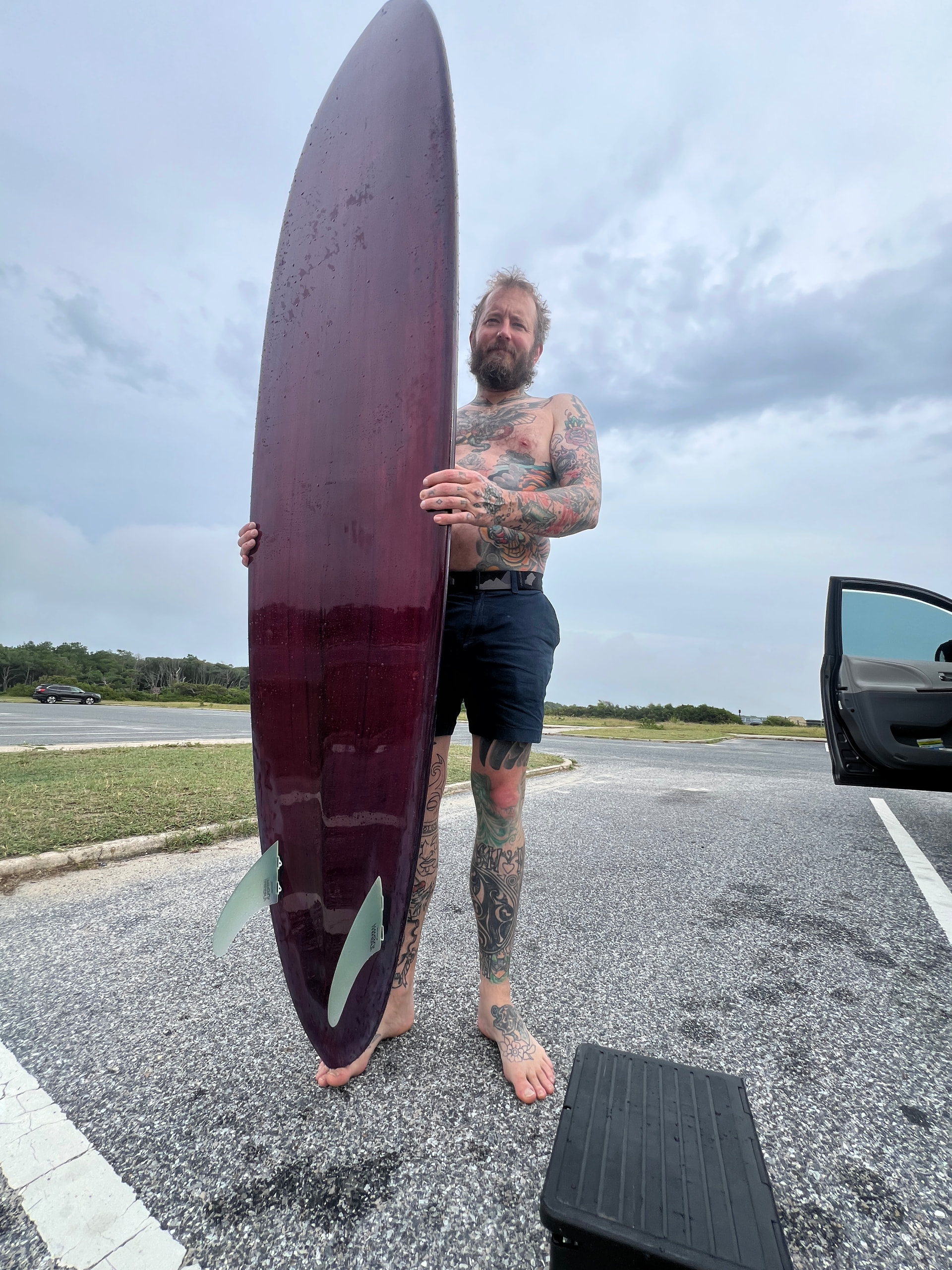
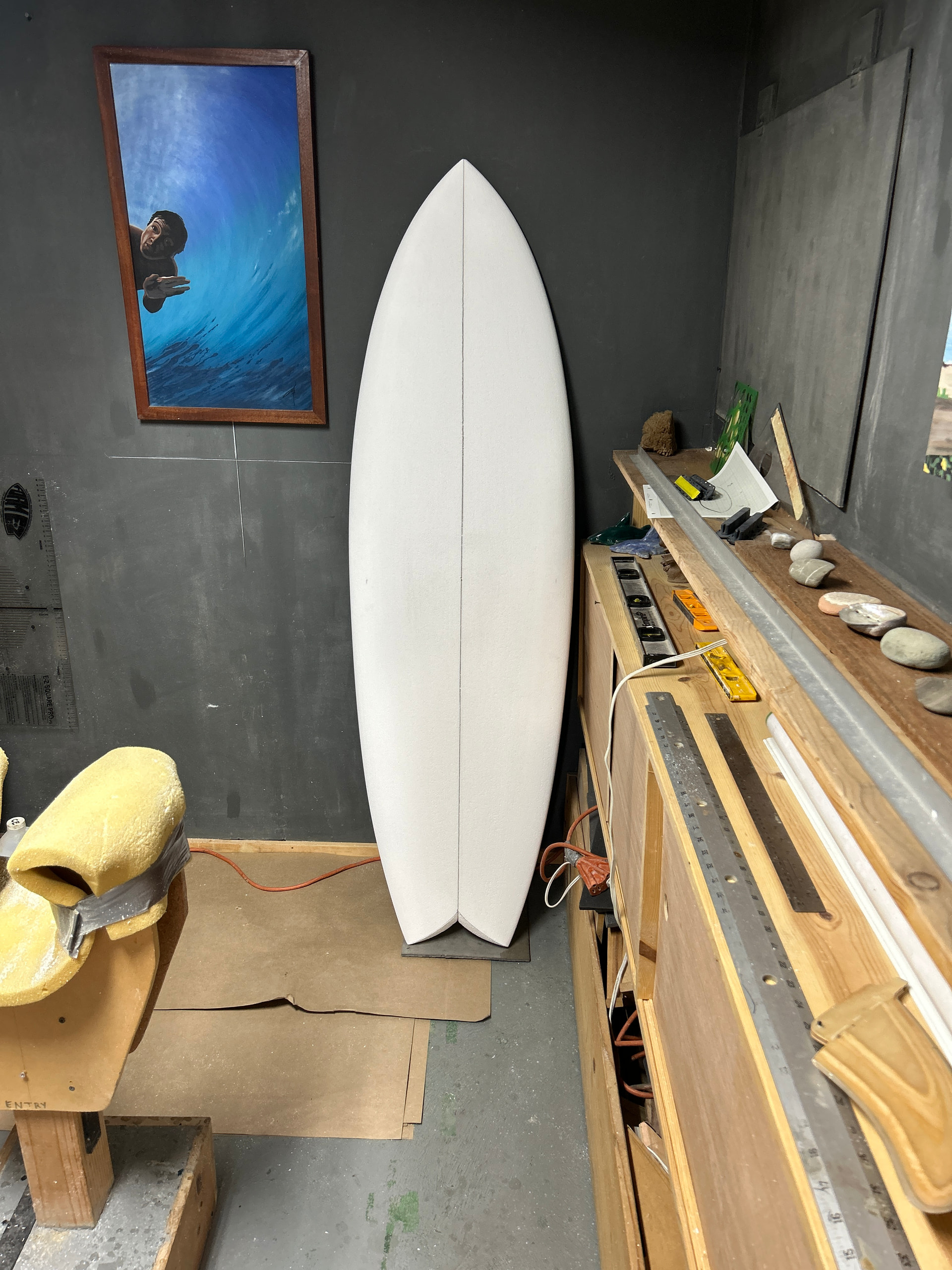
I normally do natural wood when I do my veneer boards. But I have customer who wants a tinted wood. I did one in the past. I think I just used watered down acrylic. 16 years ago so I don’t remember. I believe I did the color after the vacuum bagging. But in recent years I know that when bagging resin pulls through the skins. That wood would not subsequently accept accept tint. I also typically do some tune up sanding after bagging on the skins. That would sand off the tint. So I’m kind of wondering how to approach it this time. Any thoughts would be helpful.
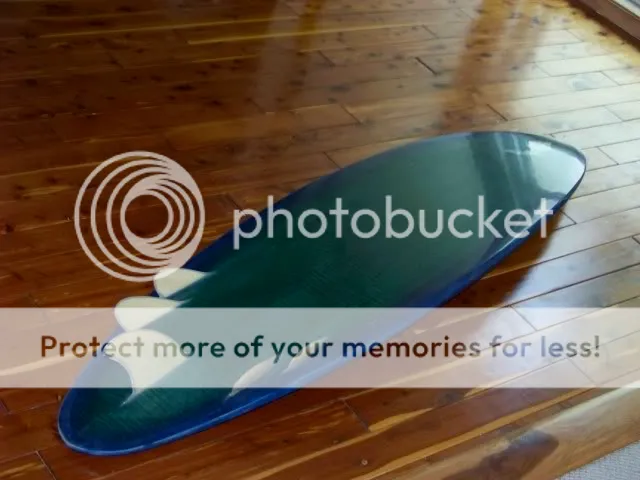
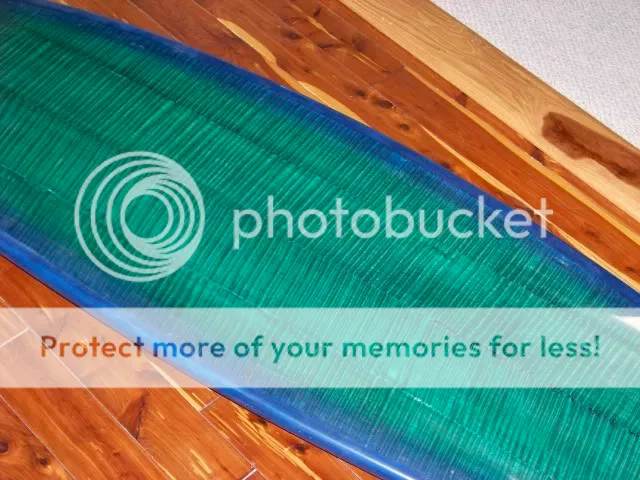
Here’s the photos of the previous board. Sorry about the watermarks. I called it the “Guitarfish” because it was inspired by a Gibson sunburst guitar finish.
Back when I was member of a LB skateboard build forum, several would color their wood with dye before adding any finish to the wood.
They used aniline dyes — pretty sure they were water based. I believe aniline dyes are used to color wood guitars because they highlight the grain patterns.
I have often wondered if alcohol ink would work for wood — might not be suitable though.
As always, test panels are your friend…
BTW very nice color work in the board photo above!
Thanks Stonenurner. For sure test panels. Come to think of it I might have used RIT fabric dye which I just googled is part aniline and they also have a particular product which is all aniline.
Alcohol based stains penetrate deep into wood. I am pretty sure that alcohol based stains are what is used to stain wooden stringers. In another life we sometimes used alcohol based stains to stain and lacquer cabinets. The story that went around was that it penetrated deep enough that if the wood was sanded or planed the color persisted. Fiebings ProLeather Dye.
I did some re-reading about aniline dyes for wood. They say that analine dyes in alcohol dry quicker than aniline dyes in water. End result is that water-based aniline dyes penetrate deeper.
I guess test panels would be the best way to answer that question for sure.
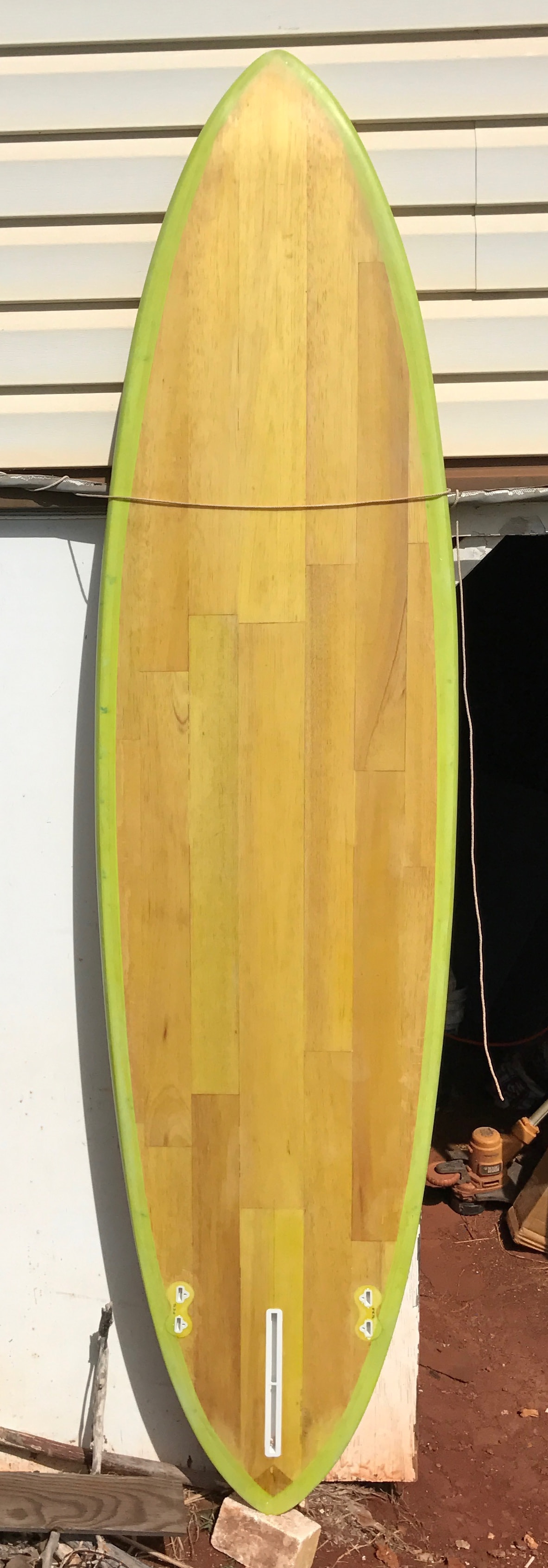
I haven’t tinted the wood, but I did use a tinted resin when I laminated my compsand balsa board. I did one with a yellow tint and one with a blue tint. This is the bottom of the yellow board, the rails are painted.
And I mixed the liquid RIT with alcohol in hopes of speeding up dry time and to avoid any moisture in the hollow construction. Sprayed with air spray gun. Not a very deep coloring so I tried to have the boards glass ready, any touchup sanding would’ve really stood out.
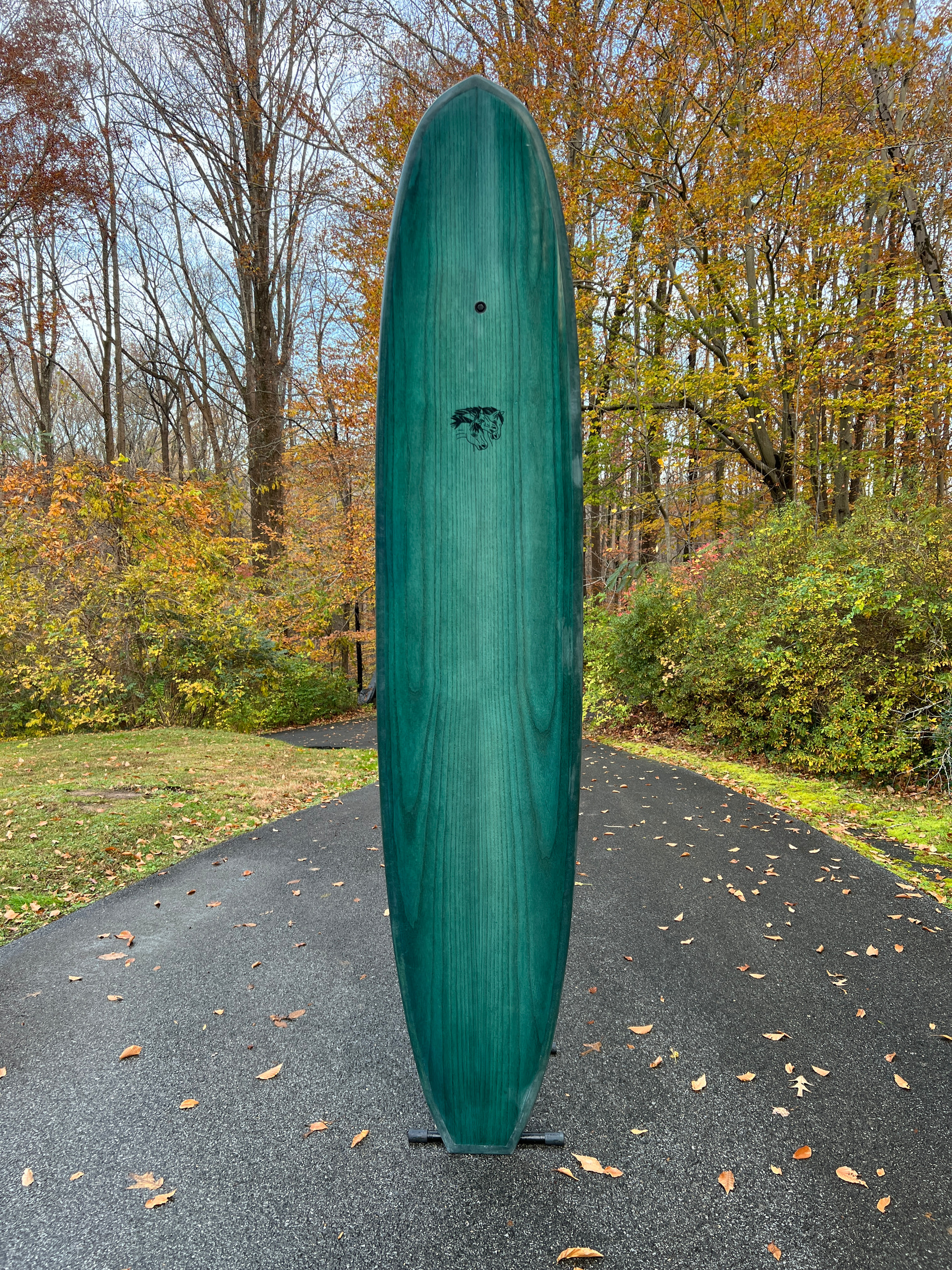
I think the finish was pretty pertinent and didn’t seem to mix into the epoxy when I was glassing. I tried RIT powder in alcohol but it wouldn’t dissolve even after boiling. I definitely used a ton of dye, 4 bottles to one gallon of alcohol, I wanted it pretty dark. Both boards are Paulownia. I’m pretty happy with the RIT and alcohol, dries fast and makes a pretty controllable, rich color.
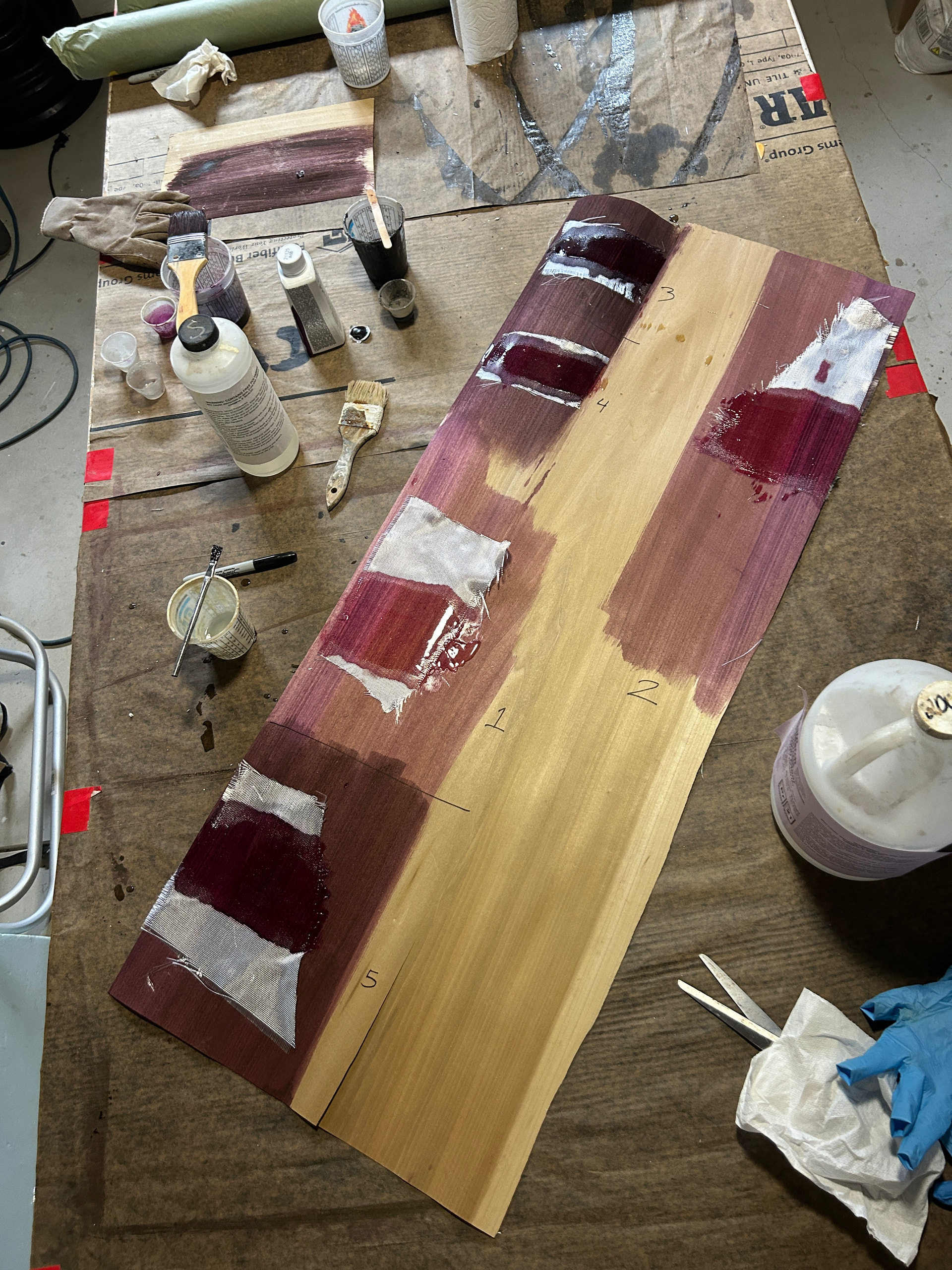
I did my peel tests. I would pull up on the bare glass as hard as I could. The glass would rip. No signs of delam. I think it’s a go. RIT dye from Michael’s. I did their recommended water to dye ratio (12:1) and the color was light/transparent) #1. I tried it with double dye #2. And then I tried the dye full strength #3, and full strength wiped off #4. Finally I tried two coats at the recommended ratio #5.
The customer likes the full strength, which in this photo looks black. I didn’t like it because you can’t see the wood grain. What’s the point, right? The two coats #5 was pretty dark. I told him for peel strength it’s better to stick with the recommended ratios even though, in reality, they all adhered.
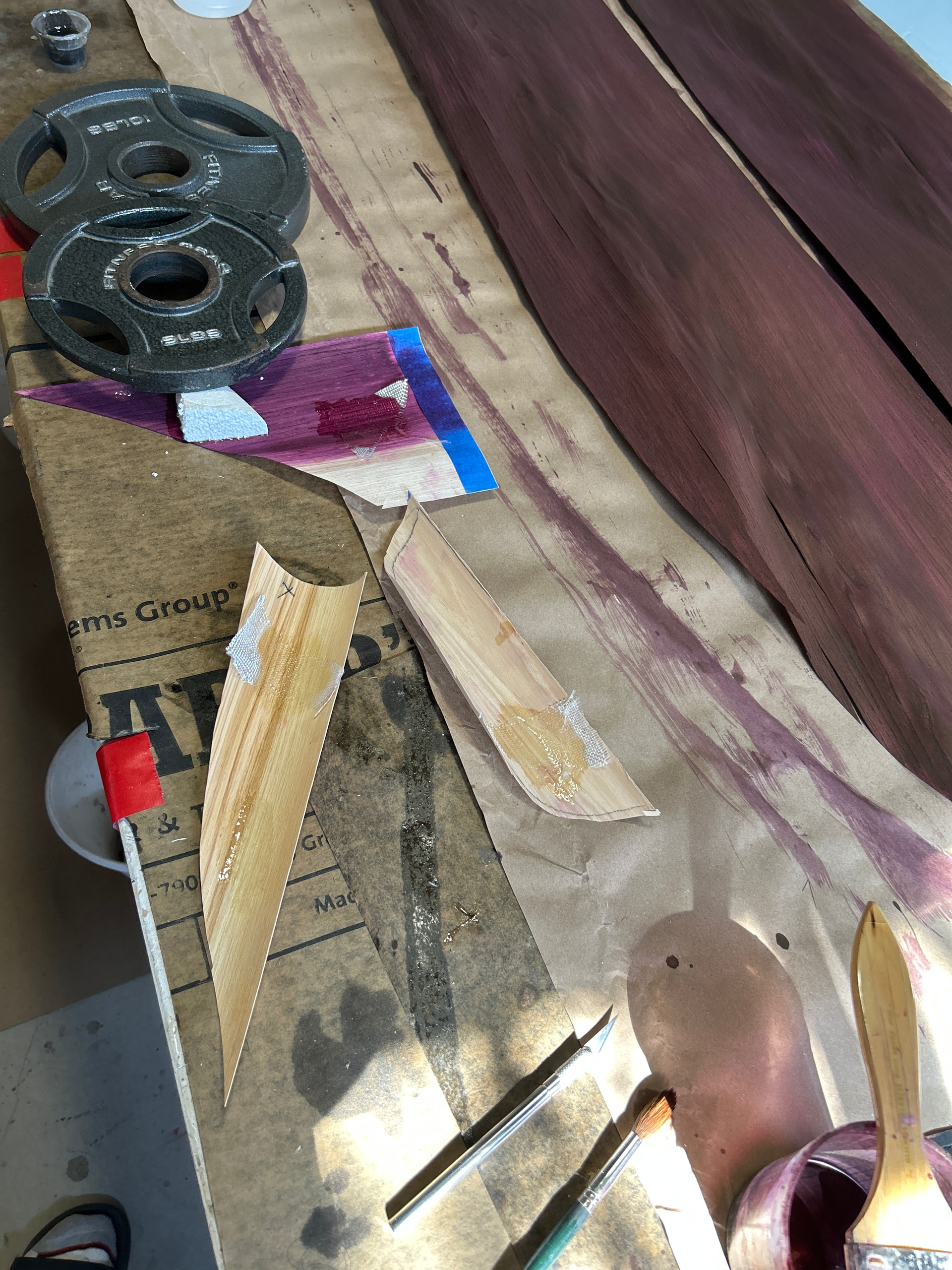
Now I’m doing peel tests with veneer softener, dye and veneer softener, and wet (just sprayed) softener (with the ‘X’). Oh and just to be sure - EPS and dye/softener. Also notice how much the color changed when sprayed with softener.
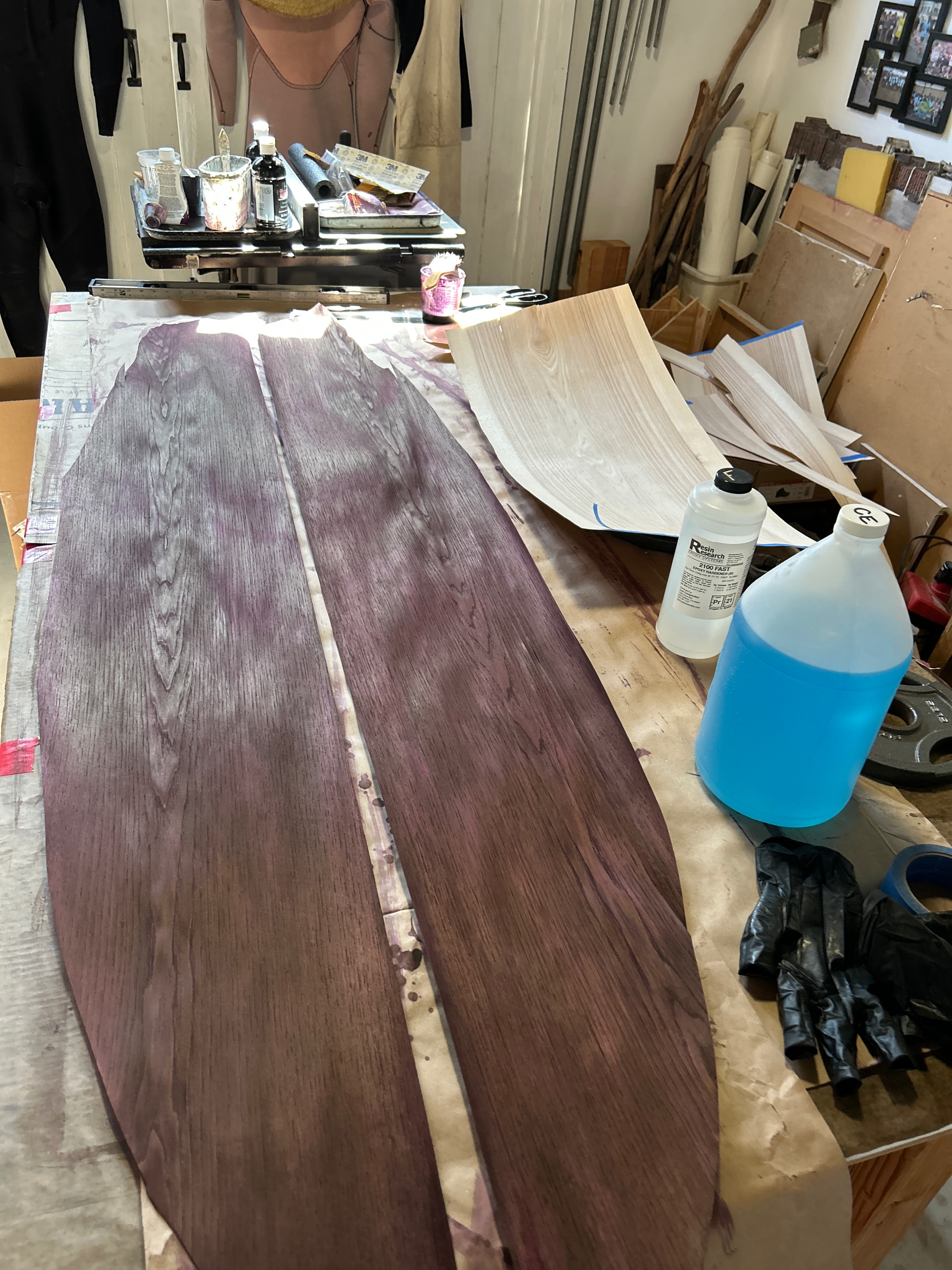
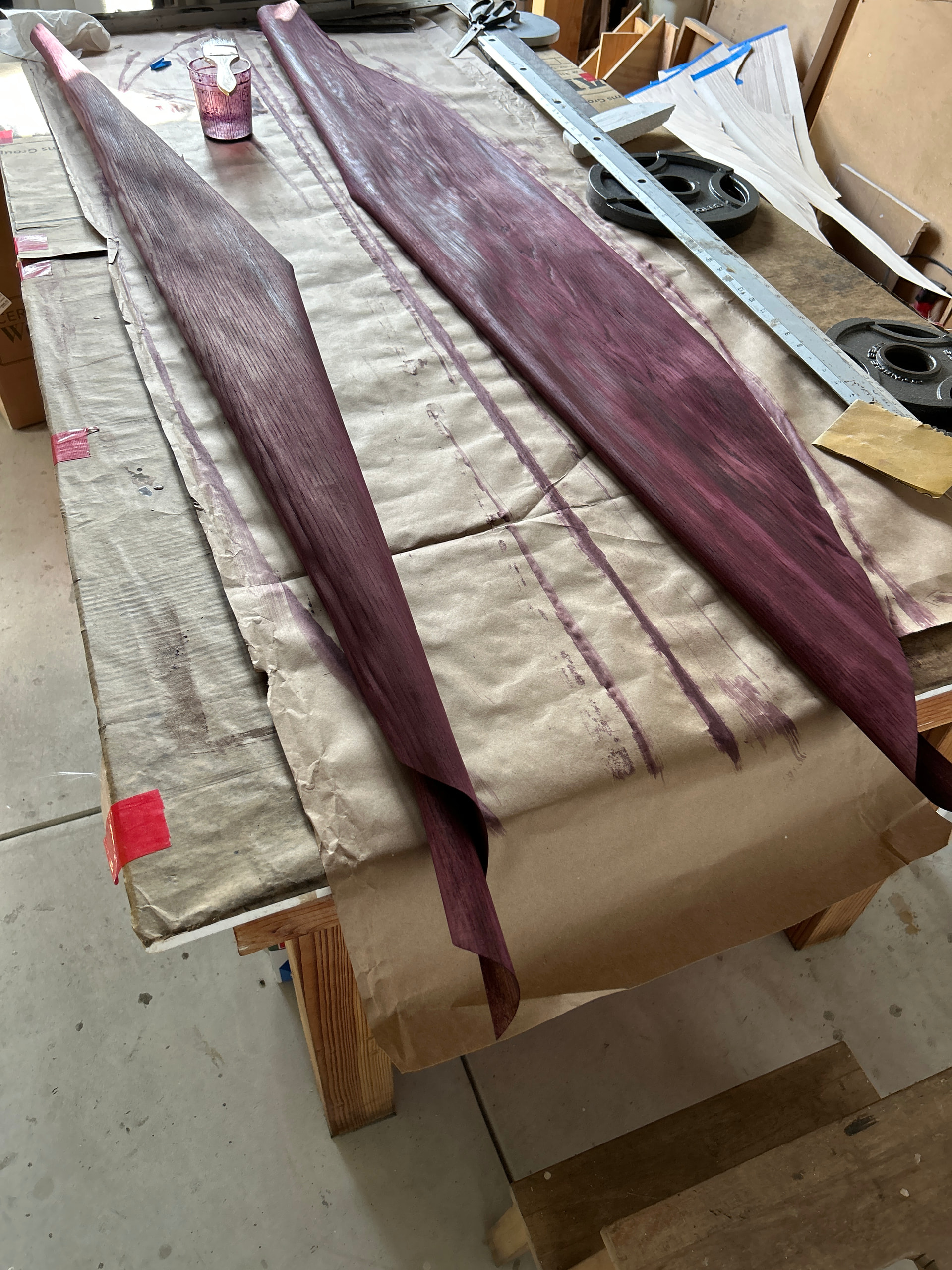
You can see why I’m doing the tests with softener. The rough cut skins are curled compared to a piece of untouched hickory cut off next to them. The last pic is how bad it curled up with dye on just one side, before I wet out the opposite side. Yikes. The poplar did not behave this way, nor did the tiger maple I did years ago. I foresee…issues…
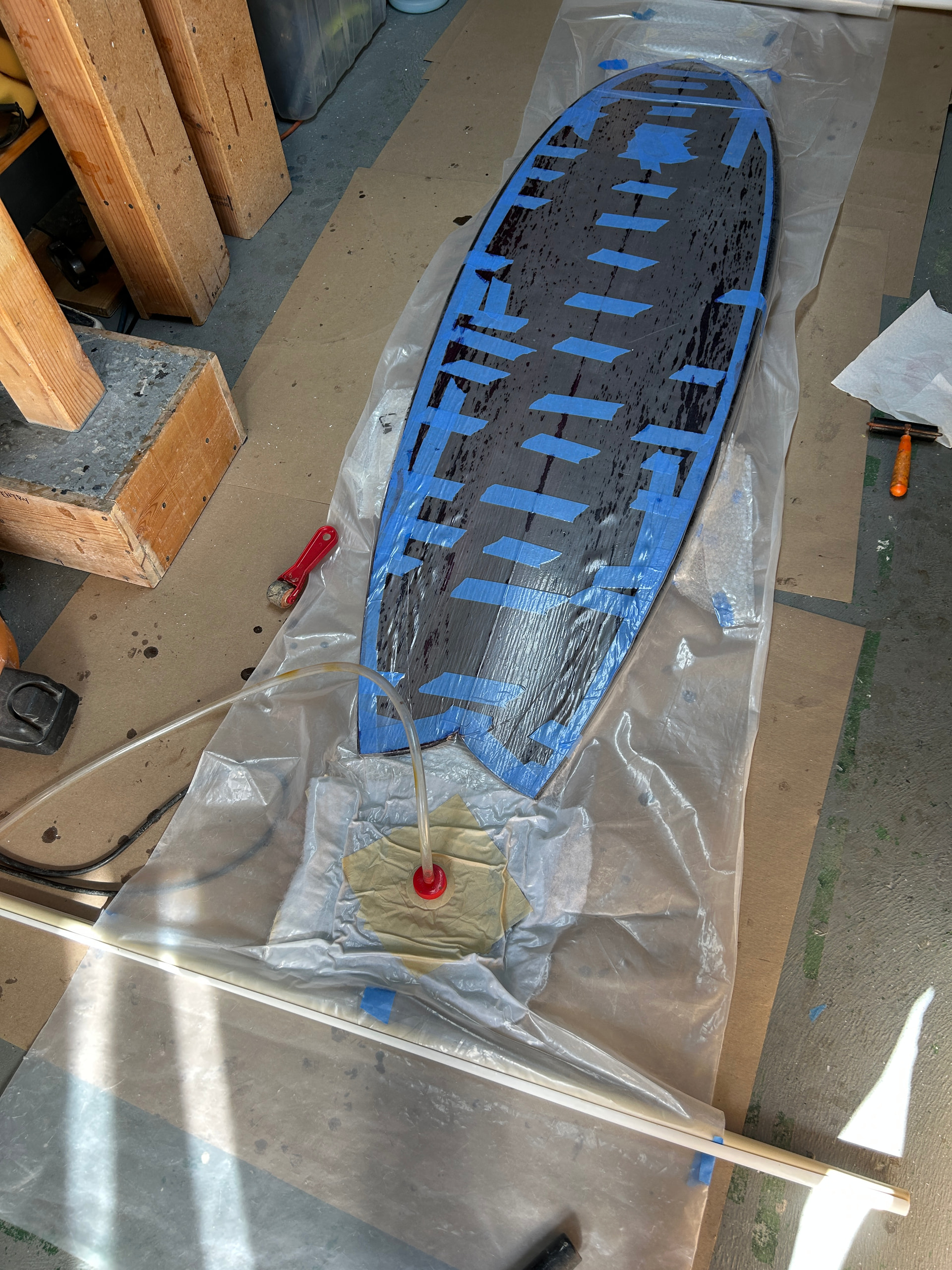
I did a dry run and couldn’t get the bubbles out. Now it’s in the bag for good. I rolled out the epoxy, put it in… and then took it out again and used an exacto knife to slice where the bubbles are, thinking maybe the air is trapped in there? No help. I think the wood has just expanded at different rates due to differences in the grain. No way to put the genie back in the bottle. I’ve made at least a half dozne boards with hickory and never had issues. In fact it is my favorite wood, so tough and beautiful. But I’ll never tint it again. In fact I don’t think I’ll tint any of my builds. I make them out of wood for a reason.
My last ditch will be to try and adhere the bubbles when the epoxy gets to the tacky stage, which with slow hardener will be in about 4-5 hours. I always use slow when bagging to minimize the drama of the bagging process which is much more involved than normal glassing.